
Pest Control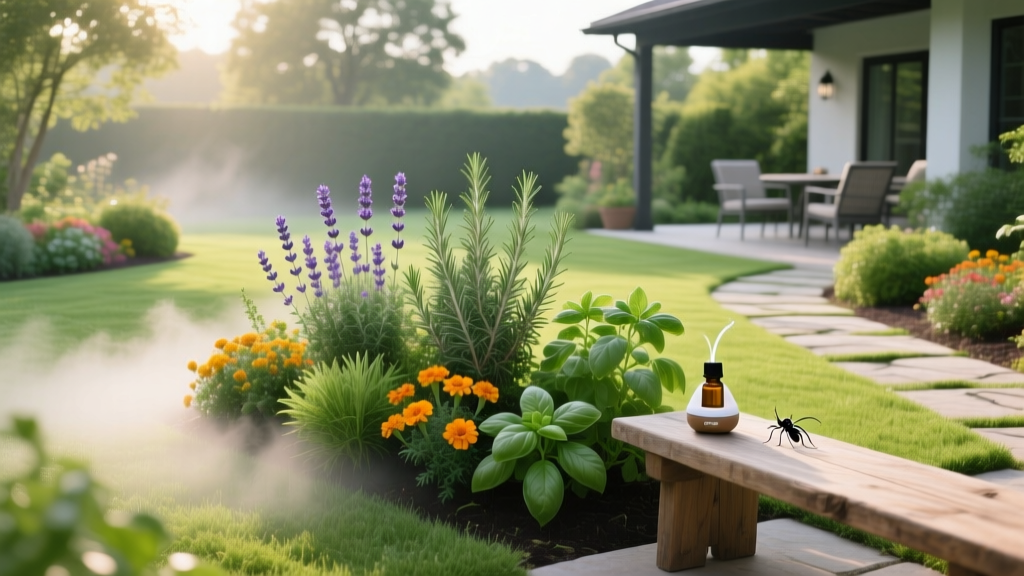
What Smells Do Fleas Dislike? 7 Proven Scents for Yard & Home
The Olfactory Biology of Fleas: Why Scents Work
The cat flea (Ctenocephalides felis), which accounts for over 90% of flea infestations in North American homes and yards, relies heavily on chemoreception to locate hosts. Fleas possess specialized sensory organs on their antennae that detect carbon dioxide, body heat, and specific volatile organic compounds (VOCs). When you introduce strong, pungent botanical scents into their environment, you effectively overload these chemoreceptors, masking the host's scent and creating a sensory environment that fleas actively avoid.
However, understanding what smells do fleas dislike is only half the battle. The efficacy of botanical repellents depends entirely on the concentration of the active terpenes and phenols, the application method, and the specific microclimate of your yard. A diluted lavender spray will not stop an infestation, but a properly emulsified cedarwood oil treatment can reduce outdoor flea populations by up to 70% when used as a preventative barrier.
Top 7 Scents Fleas Actively Avoid
Not all essential oils and plant extracts are created equal. The repellency of a botanical scent is determined by its active chemical compounds. Below is a breakdown of the most effective scents, their active ingredients, and critical safety profiles for households with pets.
| Botanical Scent | Active Compound | Repellency Efficacy | Pet Safety Profile |
|---|---|---|---|
| Cedarwood | Cedrol, Thujopsene | High | Safe for dogs; use caution with cats |
| Lemongrass | Citral, Geraniol | Medium-High | Toxic to cats; safe for dogs (diluted) |
| Peppermint | Menthol, Menthone | Medium | Highly toxic to cats and dogs if ingested |
| Rosemary | 1,8-Cineole, Camphor | Medium | Generally safe for dogs; toxic to cats |
| Lavender | Linalool, Linalyl acetate | Medium-Low | Safe for dogs (highly diluted); toxic to cats |
| Eucalyptus | Eucalyptol | Medium | Highly toxic to both cats and dogs |
| Citronella | Citronellal | Low-Medium | Toxic to cats; mild irritant to dogs |
CRITICAL WARNING FOR CAT OWNERS: Cats lack the liver enzyme glucuronyl transferase, which is required to metabolize and excrete phenols and terpenes found in most essential oils. Applying peppermint, citrus, eucalyptus, or high-concentration lemongrass in areas where cats groom themselves can lead to fatal hepatotoxicity. Always consult the ASPCA's toxic plant database before applying botanical treatments.
How to Apply Cedarwood Oil in the Yard (Step-by-Step)
Cedarwood oil is widely considered the most effective botanical flea repellent for outdoor use. The cedrol compound not only repels adult fleas but can also suffocate flea eggs and larvae by blocking their spiracles (breathing pores). Commercial products like Wondercide Flea & Tick Yard Spray utilize this mechanism, but you can mix your own concentrate for a fraction of the cost.
Step 1: Calculate and Mix the Solution
For a standard yard treatment, you need a 2% to 4% concentration of cedarwood oil in water. Because oil and water do not mix, you must use a surfactant (like a few drops of mild liquid Castile soap) to emulsify the solution.
- Materials: 100% pure cedarwood essential oil (or a pre-formulated 10% cedarwood horticultural concentrate), liquid Castile soap, 2-gallon pump sprayer or hose-end sprayer.
- Recipe for 1,000 sq. ft.: Mix 4 ounces of 10% cedarwood concentrate with 1 gallon of water. Add 1/2 teaspoon of Castile soap. Shake vigorously.
- Cost: A 16 oz bottle of high-quality horticultural cedarwood concentrate costs between $25 and $35, yielding enough for roughly 4,000 square feet of coverage.
Step 2: Prep the Microclimate
Fleas thrive in shaded, humid areas with soil moisture between 40% and 60%. They cannot survive in direct, unfiltered sunlight. Before spraying, mow your lawn to a height of 2.5 inches to allow the botanical solution to penetrate the thatch layer where larvae reside. Water the yard lightly 12 hours before application; damp soil prevents the essential oils from evaporating too quickly upon contact.
Step 3: Apply at Dusk
UV radiation from direct sunlight degrades terpenes rapidly. Apply your cedarwood solution at dusk or on an overcast day. Focus heavily on the 'transition zones'—the borders where your lawn meets wooded areas, under decks, inside dog runs, and around the base of shrubs. Allow the solution to dry completely (usually 2 to 4 hours) before allowing pets or children back into the treated area.
Landscaping with Flea-Repellent Plants
If you prefer a low-maintenance, long-term approach to masking host scents, integrating specific flora into your landscaping creates a permanent olfactory barrier. According to the EPA's guidelines on botanical pesticides, living plants release VOCs continuously, though at much lower concentrations than extracted oils.
Strategic Planting Zones
- Rosemary Borders (Salvia rosmarinus): Plant rosemary in full-sun borders along fences. Rosemary requires well-draining soil with a pH between 6.0 and 7.0. The high 1,8-cineole content deters fleas and ticks from crossing the perimeter.
- Lavender Pathways (Lavandula angustifolia): Line walkways and patio edges with English lavender. When brushed against by humans or dogs, the physical agitation releases bursts of linalool into the air, masking the carbon dioxide trail that fleas track.
- Chrysanthemum Accents: While not primarily a scent deterrent, chrysanthemums contain pyrethrins, a natural insecticidal compound used in many commercial flea sprays. Planting them in shaded garden beds provides a dual-action defense.
When Scent Repellents Fail: Recognizing the Threshold
Botanical scents are deterrents, not eradicators. If you are asking what smells fleas dislike because you are currently dealing with an active, visible infestation inside your home or heavily in the yard, essential oils will not solve the problem.
You must pivot to conventional chemistry when you observe the following failure metrics:
- The 'Flea Dirt' Test: If you comb your pet over a white paper towel and find black specks that turn red when wet (flea feces), you have an established breeding population.
- Jumping Adults: Seeing more than 3 to 5 adult fleas jumping in the carpet or yard indicates a population of thousands of pupae waiting to hatch.
In these scenarios, botanical scents must be replaced or supplemented with Insect Growth Regulators (IGRs) like Pyriproxyfen or (S)-Methoprene. IGRs mimic juvenile hormones, preventing flea larvae from molting into biting adults. For severe yard infestations, a tank mix containing Bifenthrin (for adult knockdown) and Pyriproxyfen (for long-term egg control) applied via a hose-end sprayer remains the gold standard, as noted by CDC flea prevention guidelines. Once the population is crashed using IGRs, you can revert to cedarwood and rosemary scents for ongoing maintenance.
Frequently Asked Questions
Does apple cider vinegar repel fleas?
While apple cider vinegar (ACV) is frequently cited in home remedies, its acetic acid concentration (typically 5%) is too low to act as a reliable olfactory deterrent for fleas in a yard setting. Furthermore, spraying undiluted ACV on lawns will lower the soil pH drastically, burning the grass and damaging beneficial soil microbes. It is not recommended for outdoor pest control.
Can I put peppermint oil directly on my dog to repel fleas?
No. Peppermint oil contains high levels of menthol and pulegone. When applied topically to dogs, it can cause severe skin irritation, central nervous system depression, and liver damage if the dog licks its fur. Always use pet-specific, veterinarian-approved topical preventatives (like Fluralaner or Fipronil) rather than raw essential oils on the animal itself.
How often should I reapply cedarwood oil to the lawn?
Botanical oils degrade through UV exposure, microbial breakdown, and rain. During peak flea season (late spring through early fall), you must reapply a cedarwood yard spray every 14 to 21 days. If your area receives more than 1 inch of rainfall within 48 hours of application, an immediate reapplication is necessary to maintain the protective scent barrier.

