
Pest Control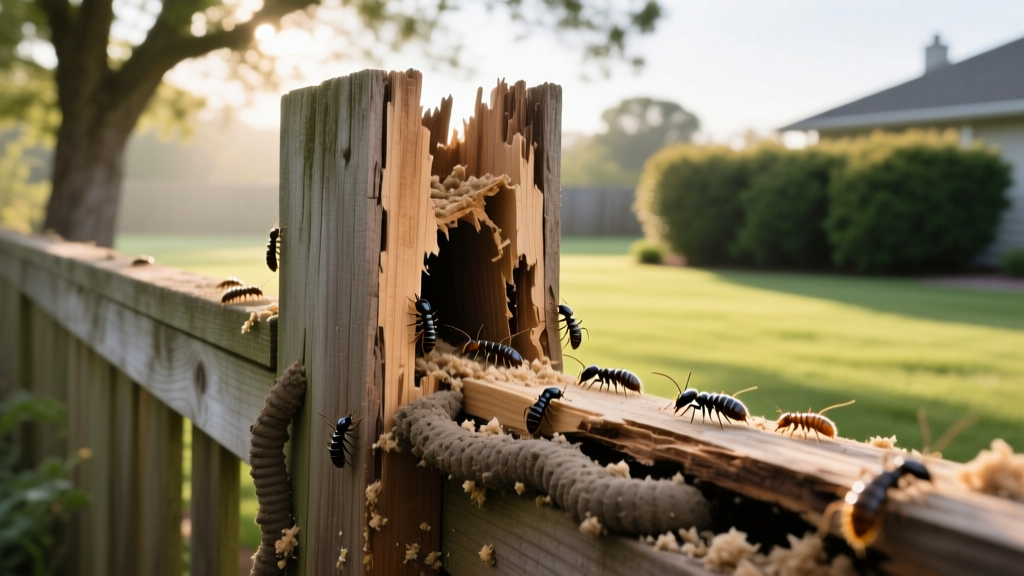
What to Do About Termites: Identification and Treatment Guide
Discovering termites on your property triggers immediate concern, but panic often leads to costly mistakes. Knowing exactly what to do about termites requires distinguishing between a minor garden foraging event and an active structural infestation. This guide provides a precise, actionable framework for identifying termite species, executing immediate containment protocols, and selecting the right chemical or baiting interventions for your lawn and home perimeter.
Identifying the Enemy: Subterranean vs. Drywood vs. Dampwood
Effective treatment hinges on accurate species identification. The treatment for a subterranean colony will completely fail against a drywood infestation. According to the National Pest Management Association, subterranean termites cause the vast majority of structural damage in the United States, but dampwood and drywood species require entirely different localized approaches.
| Species | Habitat & Moisture | Key Visual Evidence | Primary Threat Zone |
|---|---|---|---|
| Subterranean (Reticulitermes) | Requires soil contact; builds mud tubes to travel above ground. | Pencil-sized mud tubes on foundations; swarmers in spring. | Foundation sills, basement joists, fence posts. |
| Drywood (Incisitermes) | Lives entirely inside dry wood; no soil contact needed. | Hexagonal frass (fecal pellets) kicked out of kick-out holes. | Attic rafters, window frames, dead tree branches. |
| Dampwood (Zootermopsis) | Requires high moisture content; found in decaying wood. | Large swarmers; soft, hollowed-out wood with soil-like feces. | Tree stumps, rotting mulch, wood touching damp soil. |
The First 48 Hours: Immediate Action Protocol
When you first spot termite activity—whether in a garden bed or on your home's sill plate—your immediate actions dictate the success of long-term eradication. Avoid the common urge to spray visible insects with over-the-counter aerosol repellents.
Step-by-Step Containment
- Document the Evidence: Take clear, well-lit photos of mud tubes, frass, or damaged wood. Include a ruler or coin for scale.
- Map the Perimeter: Walk your property and mark all locations of activity with landscaping flags. Note which areas have wood-to-soil contact.
- Eliminate Moisture Sources: Fix leaking outdoor spigots, redirect downspouts away from the foundation, and turn off drip irrigation lines that are pooling near the house.
- Contact a Licensed Professional: Subterranean colonies often contain 50,000 to over a million individuals. DIY surface treatments cannot reach the queen deep underground.
Yard and Garden Termite Management
As a homeowner focused on lawn and garden care, finding termites in your mulch or compost pile is a common scenario. It is vital to understand that termites in your garden mulch are often foraging workers, not necessarily an indication that your home is currently infested. However, their presence indicates a high local population that requires perimeter management.
The Environmental Protection Agency (EPA) emphasizes that modifying the landscape environment is a primary defense. Mulch provides the exact moisture and temperature parameters subterranean termites need to thrive. If you must use mulch, maintain a strict 6-inch gap between the mulch bed and your home's foundation or exterior siding. This gap forces termites to build mud tubes across open, dry concrete or soil, making them highly visible during routine inspections.
Decision Framework: DIY Baiting vs. Professional Liquid Barriers
Choosing the right intervention depends on your property layout, budget, and environmental considerations. Use this framework to decide your treatment path:
- Choose DIY Bait Stations (e.g., Trelona ATBS) if: You have a well, a sensitive koi pond, or a heavily landscaped garden with complex root systems where trenching for liquid barriers would cause damage. Bait stations require monthly monitoring but offer precise colony elimination via the chitin synthesis inhibitor novaluron.
- Choose Professional Liquid Barriers (e.g., Termidor SC or Altriset) if: You need immediate protection for a home with active structural damage, or if you are preparing to sell the house and need a transferable warranty. Liquid barriers require trenching 6 inches deep and 6 inches wide around the entire foundation, injecting the termiticide at a rate of 4 gallons per 10 linear feet.
Cost Breakdown: DIY vs. Professional Treatment
Understanding the financial commitment prevents you from falling for low-ball scams. Below is the average pricing landscape for termite management in 2026, based on a standard 150-linear-foot home perimeter.
| Treatment Method | Active Ingredient / Brand | Estimated Initial Cost (150 ft) | Annual Maintenance |
|---|---|---|---|
| Professional Liquid Trench | Fipronil (Termidor SC) | $1,200 - $1,800 | $250 - $400 (Annual inspection) |
| Professional Liquid Trench | Chlorantraniliprole (Altriset) | $1,500 - $2,200 | $250 - $400 (Annual inspection) |
| Professional Bait Network | Novaluron (Trelona / Sentricon) | $1,800 - $2,500 | $400 - $600 (Quarterly monitoring) |
| DIY Bait Stations | Hexaflumuron (Advance Termite Bait) | $300 - $450 (Hardware + Initial Bait) | $150 - $200 (Annual bait matrix refills) |
Preventative Landscaping to Deter Foraging
Once the immediate threat is neutralized, your ongoing lawn and garden maintenance must actively deter re-infestation. Termites are driven by moisture and cellulose. Altering your landscape design removes the biological incentives for foraging scouts.
- Grade the Soil Correctly: Ensure the soil slopes away from the foundation at a minimum grade of 6 inches of drop over the first 10 feet. Standing water softens the soil and creates ideal tunneling conditions.
- Remove Cellulose Debris: Extract all buried construction debris, old tree stumps, and railroad ties from your yard. Even a buried 2x4 can sustain a satellite colony for years.
- Elevate Wooden Structures: Deck posts, pergolas, and shed bases must rest on concrete piers or galvanized steel post bases, keeping the wood at least 2 inches above the soil line.
- Select Termite-Resistant Mulch: If you use mulch, opt for cedar or cypress heartwood. While not entirely termite-proof, the natural resins and oils in these woods are significantly less palatable to foraging workers than pine bark or hardwood mulch.
Addressing termites requires a methodical transition from identification to targeted eradication. By mapping the activity, avoiding disruptive surface sprays, and investing in deep-soil barriers or monitored bait matrices, you protect both your landscape investments and your home's structural integrity.

