
Pest Control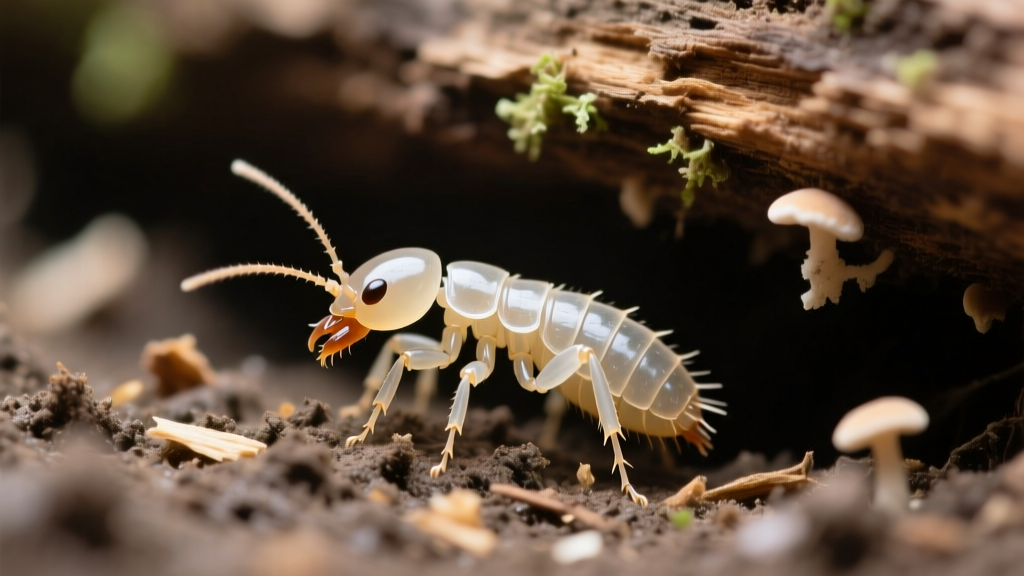
What's a Termite Look Like? Visual Identification Guide
When a homeowner asks, "what's a termite look like?", it is usually because they have spotted an unfamiliar insect near a windowsill, found a pile of translucent wings, or noticed hollow-sounding baseboards. Termites are cryptic pests that spend the vast majority of their lives hidden inside wood or underground. Because they cause an estimated $5 billion in property damage annually across the United States, accurately identifying them before they compromise your home's structural integrity is critical.
Unlike bees or wasps, termites do not have a single, uniform appearance. Their physical characteristics change drastically depending on their caste (role within the colony) and their specific species. Below is a comprehensive visual breakdown to help you identify these destructive insects and distinguish them from harmless look-alikes.
The Three Termite Castes: A Visual Breakdown
A mature termite colony is divided into three distinct castes, each with unique anatomical features tailored to its specific job. If you see a termite, its appearance will dictate which caste it belongs to.
1. Worker Termites (The Destroyers)
- Size: 1/8 to 3/8 inch long.
- Color: Pale, creamy white, or translucent. They are often described as looking like "white ants."
- Key Features: Soft-bodied, wingless, and blind. They lack the hard, dark exoskeleton seen in other insects.
- Where to spot them: Inside damaged wood, mud tubes, or directly in the soil. You will rarely see them out in the open unless a wall or piece of wood has been broken apart.
2. Soldier Termites (The Defenders)
- Size: Slightly larger than workers, typically around 1/4 inch.
- Color: Creamy white bodies, but with distinct, hard, dark brown or yellowish-brown heads.
- Key Features: Their most defining visual trait is their oversized, armored heads equipped with prominent, pincer-like mandibles (jaws) used to defend the colony against ants.
- Where to spot them: Guarding the entrances of mud tubes or rushing to breach points when a gallery is exposed to light.
3. Swarmers / Alates (The Reproducers)
- Size: 1/2 to 1 inch long, including wings.
- Color: Dark brown, black, or reddish-brown bodies.
- Key Features: They possess two pairs of long, translucent, milky-white wings that are exactly equal in length and stack perfectly on top of each other when at rest.
- Where to spot them: Swarming near light sources, windowsills, or outdoor lighting during warm, humid spring or early summer days. After a brief flight, they shed their wings to mate.
Termite vs. Carpenter Ant: The Winged Imposter Test
The most common point of confusion for homeowners is distinguishing winged termite swarmers from winged carpenter ants. Both swarm in the spring, both are roughly the same size, and both are associated with damaged wood. However, carpenter ants do not eat wood; they merely excavate it to build nests. Termites consume the wood for sustenance. Use this visual matrix to tell them apart:
| Visual Feature | Termite Swarmer | Carpenter Ant Swarmer |
|---|---|---|
| Antennae | Straight, beaded, and bristle-like. | Elbowed (bent at a sharp 90-degree angle). |
| Waist | Broad, thick waist (no visible pinching between thorax and abdomen). | Pinched, narrow, hourglass-shaped waist. |
| Wings | Two pairs of equal-length wings that extend far past the abdomen. | Two pairs of unequal-length wings (front wings are longer than hind wings). |
| Body Color | Uniform dark brown or black. | Often multi-colored (black, red, or yellowish segments). |
Quick Decision Framework: If the insect has a pinched waist and elbowed antennae, it is an ant. If the waist is thick and the antennae are straight, you are looking at a termite swarmer. According to the National Pest Management Association, finding discarded termite wings on a windowsill is a primary indicator of an active, mature colony nearby.
Species-Specific Visual Cues
Beyond castes, the specific species of termite infesting your home will dictate its exact coloration and the type of visual evidence it leaves behind.
Eastern Subterranean Termites
The most widespread and destructive species in the U.S. Swarmers are dark brown to black with grayish-brown wings. Workers are pale and translucent. Because they require high moisture, they build highly visible, pencil-sized mud tubes (1/4 to 1 inch wide) along foundation walls to travel between the soil and the wood above.
Drywood Termites
Common in coastal and southern states (like California, Florida, and Texas). Swarmers have dark brown bodies with smoky, translucent wings. Unlike subterranean species, they do not build mud tubes. Instead, they leave behind distinct visual evidence: frass. Drywood termite frass consists of tiny, hard, hexagonal wood-colored pellets (about 1mm long) that accumulate in small piles beneath infested baseboards or fascia boards.
Formosan Subterranean Termites
An aggressive, invasive species prevalent in the Gulf Coast. Swarmers are yellowish-brown with hairy, translucent wings. Their colonies are massive, often containing millions of individuals, and they are known to build "carton nests" above ground inside wall voids, which can cause bulging in drywall.
Secondary Visual Evidence: What to Look For When Bugs Are Hidden
Because worker and soldier termites avoid light, you are highly unlikely to see the actual insects until severe damage has occurred. Instead, look for these secondary visual markers:
- Mud Tunnels: Subterranean termites construct shelter tubes made of soil, saliva, and feces. Inspect your foundation, crawlspace piers, and utility penetrations for these earth-colored veins.
- Discarded Wings: Swarmers shed their wings shortly after landing. Look for piles of identical, translucent wings near window sills, spider webs, or exterior lighting fixtures.
- Blistered Paint or Drywall: Termites tunneling just beneath the surface of drywall or painted wood trap moisture, causing the paint to bubble or the drywall to warp.
- Hollow-Sounding Wood: Tap baseboards, window frames, and structural beams with a screwdriver handle. Wood that sounds papery or hollow has likely been hollowed out by worker termites.
Damage Warning: The Environmental Protection Agency (EPA) notes that termite damage is rarely covered by standard homeowners insurance policies. The average cost to repair structural termite damage ranges from $3,000 to $8,500, making early visual identification and professional intervention a financial necessity.
2026 Treatment Costs and Action Thresholds
If your visual inspection confirms the presence of termites, immediate professional treatment is required. DIY surface sprays are entirely ineffective against hidden colonies. Here is what you should expect regarding modern treatment options and pricing in 2026:
- Professional Inspection: A certified Wood Destroying Insect (WDI) inspection typically costs between $75 and $150. Many companies waive this fee if you proceed with treatment.
- Liquid Termiticide Barriers: Using non-repellent active ingredients like Fipronil (e.g., Termidor SC), professionals trench and rod the soil around your foundation. This method transfers the poison throughout the colony. Expect to pay $8 to $14 per linear foot, totaling $1,200 to $2,500 for an average home.
- Bait Station Systems: Systems like Sentricon use hexaflumuron bait to disrupt the termites' molting process. Initial installation ranges from $1,500 to $2,800, with annual monitoring and maintenance fees of $300 to $500.
- Structural Fumigation (Tenting): Required for widespread drywood termite infestations. The home is sealed and filled with Vikane gas. Costs average $1,200 to $3,500 depending on the cubic footage of the structure.
For a comprehensive, region-specific breakdown of termite biology and localized treatment protocols, consult the University of California Agriculture and Natural Resources Integrated Pest Management guidelines.
Frequently Asked Questions
Can termites bite humans or pets?
While soldier termites possess strong mandibles designed to crush the exoskeletons of invading ants, they are not aggressive toward humans or pets. Their jaws are generally too small and weak to break human skin. Termites are a structural threat, not a biological or medical one.
What time of year do termites swarm?
Swarming season depends on the species and local climate. Eastern subterranean termites typically swarm on warm, humid mornings between March and May. Drywood termites often swarm in late summer or early fall, while Formosan termites swarm at dusk in late spring.
If I only see a few wings, do I have an infestation?
Yes. Finding even a small cluster of discarded, equal-length wings indicates that a mature colony (which takes 3 to 5 years to develop swarmers) is located on or very near your property. The presence of swarmers means the colony is actively expanding and seeking new wood sources to consume.

