
Pest Control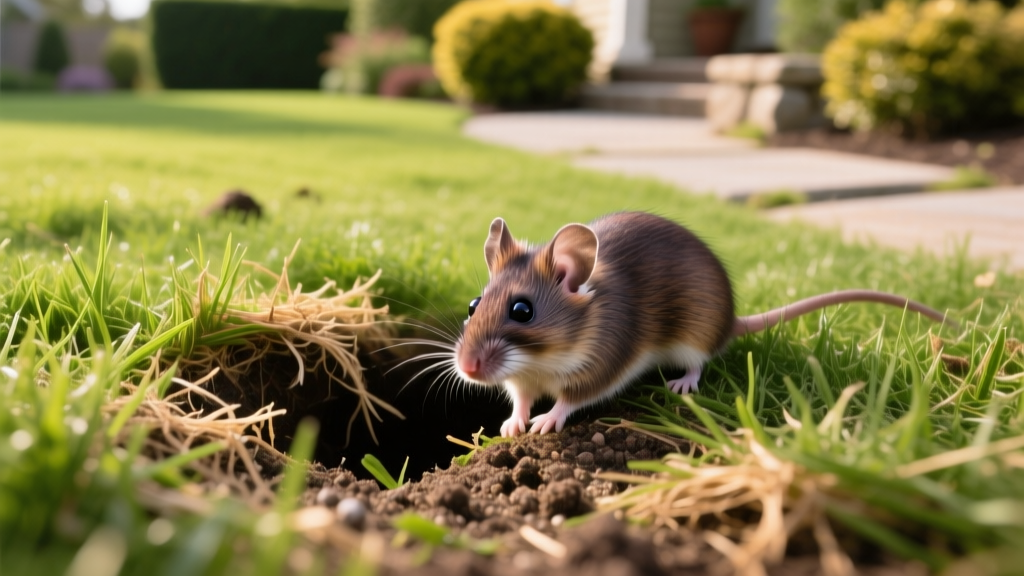
What's a Vole? Lawn Damage Identification and Deterrence Guide
The Core Question: What's a Vole?
When homeowners ask, "what's a vole?", they are usually staring at a maze of dead grass runways snaking across their once-pristine turf. A vole is a small, stocky rodent belonging to the genus Microtus. Unlike mice or rats, voles are primarily herbivorous outdoor foragers that spend their entire life cycles in complex subterranean and surface-level tunnel systems. In North America, the meadow vole (Microtus pennsylvanicus) and the prairie vole (Microtus ochrogaster) are the most frequent culprits of landscape destruction.
Voles are prolific breeders. A single female can produce up to 5 litters per year, with 3 to 6 young per litter. Under optimal conditions with heavy snow cover providing thermal insulation, vole populations can explode exponentially, leading to severe winter and early-spring lawn damage. According to the Internet Center for Wildlife Damage Management (ICWDM), vole damage to commercial orchards and residential landscapes costs millions of dollars annually in lost plant material and turf replacement.
Vole vs. Mole vs. Mouse: The Identification Matrix
Accurate identification is the prerequisite for effective pest control. Homeowners frequently confuse voles with moles and mice, leading to the purchase of ineffective traps and baits. Use this comparative matrix to confirm your target pest:
| Trait | Meadow Vole | Eastern Mole | House Mouse |
|---|---|---|---|
| Body Shape | Stocky, cylindrical, blunt snout | Pointed snout, massive front claws | Slim, pointed snout, large ears |
| Eye/Ear Visibility | Small but visible eyes and ears | Eyes covered by fur, no external ears | Large, prominent ears and eyes |
| Tail Length | Short (approx. 1 inch) | Very short, hairless | Long, nearly hairless, 3-4 inches |
| Primary Diet | Grass roots, bulbs, tree bark | Earthworms, grubs, soil insects | Seeds, human food scraps, insects |
| Surface Evidence | 1.5 to 2-inch wide grass runways | Raised soil ridges and volcano mounds | Droppings in garages/homes, no runways |
Recognizing the Signature Damage
Understanding what's a vole requires understanding how they interact with your landscape. Voles do not typically dig deep subterranean tunnels like moles; instead, they utilize existing surface cover to create "runways." These runways are 1.5 to 2 inches wide and are created by the vole repeatedly clipping the grass down to the soil surface. If you part the dead grass in these runways, you will often find tiny, 1/8-inch wide gnaw marks on the roots and crowns of the turfgrass.
Diagnostic Tip: To distinguish vole damage from rabbit or deer browsing on shrubs, examine the cut marks. Voles leave distinct, irregular gnaw marks at a 45-degree angle, usually measuring 1/8 inch wide and 3/8 inch long. Rabbits leave clean, sharp cuts at a strict 45-degree angle, while deer tear wood, leaving jagged edges.
The most devastating damage occurs in late winter beneath the snow line. Voles girdle the base of young trees and shrubs, chewing through the cambium layer. This severs the vascular system, effectively killing the plant above the chew line. Replacing a mature ornamental tree can cost between $300 and $800, making preventive exclusion highly cost-effective.
Proven Deterrence and Eradication Strategies
Effective vole management requires an Integrated Pest Management (IPM) approach. Relying solely on poison or solely on habitat modification will yield incomplete results. Below are the specific, actionable protocols used by professional turf managers.
1. Habitat Modification (The First Line of Defense)
Voles are agoraphobic; they refuse to cross open, exposed spaces due to predation risk from hawks, owls, and foxes. You can exploit this behavioral trait through strict landscaping practices:
- Mowing Height: Maintain cool-season turfgrasses (like Kentucky Bluegrass and Tall Fescue) at a maximum height of 2.5 to 3 inches entering the fall season. Tall grass provides the canopy voles need to hide.
- Mulch Management: Pull mulch back at least 3 to 6 inches from the base of all trees and shrubs. Deep mulch beds against tree trunks act as insulated winter harborage. Keep mulch depth to a maximum of 2 inches.
- Vegetation Buffers: Clear a 3-foot wide vegetation-free buffer zone around the perimeter of your lawn, especially near wooded areas or overgrown fields where vole colonies originate.
2. Physical Exclusion
For high-value assets like fruit trees, Japanese maples, and young ornamentals, physical exclusion is the only 100% reliable deterrent. Purchase 1/4-inch galvanized hardware cloth (do not use chicken wire, as voles can easily squeeze through the 1-inch gaps). Cut the cloth into strips and form cylinders around the tree base. The cylinder must be buried 4 to 6 inches deep into the soil to prevent burrowing underneath, and extend 18 to 24 inches above the soil line to account for snow accumulation and climbing. Ensure the cylinder is loose enough to allow for trunk expansion over the next 5 years.
3. Chemical Repellents and Toxicants
When populations exceed the carrying capacity of your habitat modifications, chemical intervention becomes necessary. According to Penn State Extension, timing and active ingredient selection are critical for success.
- Repellents: Products containing Thiram (a fungicide with repellent properties) or Capsaicin (like Miller Hot Sauce) can be painted onto lower tree trunks. These cost approximately $25 to $40 per quart and must be reapplied after heavy rain. Note that capsaicin-based repellents are generally not approved for use on plants intended for human consumption.
- Toxic Baits: Zinc phosphide baits (such as Kaput-D ZP) are highly effective acute toxicants. A single feeding is usually lethal. Place bait inside specialized, tamper-resistant bait stations (like the Protecta LP Rat Bait Station, adapted for voles) anchored directly over active runways. Anticoagulant baits (like Ramik Brown, containing diphacinone) require multiple feedings over 5 to 10 days and are generally safer to use near domestic pets when housed in secure stations. Expect to spend $15 to $30 per bait station setup.
Safety Warning: Zinc phosphide releases highly toxic phosphine gas when it contacts moisture or stomach acid. Never handle zinc phosphide pellets with bare hands, and never place them in areas where standing water can accumulate inside the bait station.
Seasonal Treatment Timeline
Treating for voles in mid-summer is largely a waste of resources. Vole activity peaks during specific seasonal windows. Align your interventions with this timeline:
- Early Fall (September - October): Execute habitat modification. Mow lawns short, remove heavy thatch, and pull mulch away from trunks. Install hardware cloth barriers before the ground freezes.
- Late Fall (November): Deploy bait stations along identified perimeter runways to reduce the population before winter snow cover provides them with protective insulation.
- Early Spring (March - April): Conduct damage assessments once the snow melts. Rake out dead runway debris to expose the soil to sunlight, which encourages turfgrass recovery. Reseed heavily damaged areas with a fast-germinating perennial ryegrass mix.
Frequently Asked Questions
Do ultrasonic repellent stakes work for voles?
No. Independent university trials have consistently shown that solar-powered ultrasonic stakes produce no statistically significant reduction in vole foraging or tunneling. Voles quickly habituate to the high-frequency noise, and the sound waves do not penetrate dense soil or root systems effectively. Save your money and invest in 1/4-inch hardware cloth instead.
Will flooding the tunnels with a garden hose drown them?
While flooding a runway might temporarily displace a few individuals, it is highly inefficient. Vole colony networks are vast and feature multiple elevated escape chambers. Furthermore, flooding your lawn causes severe soil compaction and damages turf roots, creating a secondary problem that costs more to fix than the original vole damage.
How fast can a lawn recover from vole runways?
If the vole only clipped the grass blades and did not destroy the root crown, the turf will recover naturally within 3 to 4 weeks of spring growth. If the roots were entirely consumed, you must rake out the dead thatch, apply a 1/4-inch layer of topsoil, and overseed at a rate of 5 to 8 pounds per 1,000 square feet. Keep the area consistently moist for 14 days to ensure germination.

