
Pest Control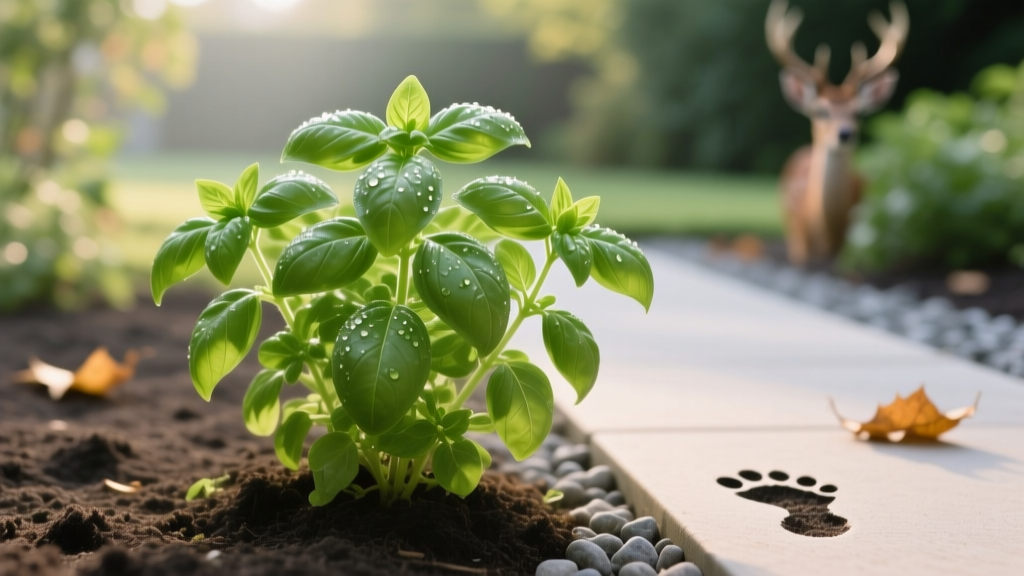
Will Deer Eat Basil? The Truth About Deer-Resistant Herbs
The Direct Answer: Will Deer Eat Basil?
Under normal foraging conditions, deer will not eat basil. Ocimum basilicum is heavily laden with volatile essential oils—primarily eugenol, linalool, and citronellol—which act as a natural olfactory deterrent to cervids. A deer's sense of smell is estimated to be 500 to 1,000 times more acute than a human's, making the pungent, clove-like aroma of basil highly unpalatable to them. When a deer encounters a mature basil plant, it will typically sniff the foliage, register the high concentration of terpenes and phenylpropanoids, and move on to less aromatic forage.
However, labeling basil as entirely 'deer-proof' is a dangerous misconception for gardeners. While it is highly deer-resistant, specific environmental stressors and biological factors can override a deer's natural aversion to aromatic herbs.
The Science of Scent: Why Deer Avoid Aromatic Herbs
Deer rely heavily on their vomeronasal organ (Jacobson's organ) to assess the toxicity and nutritional value of plants before consuming them. Basil produces secondary metabolites designed specifically to deter herbivory.
- Eugenol: The primary compound in sweet basil, giving it a spicy, clove-like scent. High concentrations irritate the mucous membranes of grazing mammals.
- Linalool: A terpene alcohol found heavily in Genovese and Thai basil varieties that disrupts insect and mammalian feeding behaviors.
- Methyl Chavicol (Estragole): Prominent in Thai basil, providing a sharp anise/licorice scent that deer find highly offensive.
According to the Rutgers University Deer-Resistant Plants database, highly aromatic herbs generally fall into the 'B' rating category (Seldom Severely Damaged). This means that while deer may sample a leaf out of curiosity, they rarely consume enough to destroy the plant.
Basil Cultivar Vulnerability Matrix
Not all basil varieties offer the same level of protection. The concentration of essential oils varies significantly by cultivar, altering its resistance profile.
| Cultivar | Primary Oil Profile | Deer Resistance Level | Notes |
|---|---|---|---|
| Sweet / Genovese | High Eugenol, Linalool | High | Standard culinary basil; strong clove aroma deters browsing. |
| Thai (Siam Queen) | Methyl Chavicol, Eugenol | Very High | Sharp anise scent is highly offensive to deer olfactory receptors. |
| Purple (Dark Opal) | Linalool, Anthocyanins | Moderate to High | Slightly lower oil concentration than Genovese; fawns may sample it. |
| Lemon Basil | Citral, Limonene | High | Citrus terpene profile mimics known deer-repellent plants. |
⚠️ The Starving Deer Exception: In late winter and early spring, when natural forage is buried under snow or depleted, deer enter survival mode. During these periods of extreme caloric deficit, deer will consume toxic or highly aromatic plants they would normally avoid, including basil, rosemary, and lavender. Additionally, young fawns learning to forage often sample aromatic plants before they learn to associate the scent with poor palatability.
Proven Protection Strategies for Your Herb Garden
If you live in an area with high cervid density (over 30 deer per square mile), relying solely on basil's natural scent is insufficient. Implementing a layered defense strategy is critical to protect your herb garden.
1. Physical Exclusion (The Gold Standard)
Fencing is the only 100% effective method to stop deer. White-tailed deer can clear an 8-foot vertical jump from a standstill. For herb gardens, you have two structural options:
- Vertical Woven Wire: Requires a minimum height of 8 feet. Cost ranges from $18 to $28 per linear foot for galvanized agricultural fencing. This is ideal for large, permanent garden perimeters.
- Slanted Polypropylene Fence: A 6-foot fence angled outward at 45 degrees confuses a deer's depth perception and jumping mechanics. Deer prefer to jump up and forward; the slant forces them to jump higher than they are comfortable with. Material costs are lower, typically $4 to $7 per linear foot for heavy-duty UV-treated deer netting.
2. Olfactory and Taste Repellents
For gardens where fencing is impractical, chemical repellents create a localized barrier. The most effective active ingredients for protecting herbs are putrescent whole egg solids and thiram.
- Liquid Fence Deer & Rabbit Repellent: Contains putrescent egg solids and garlic. Priced around $28 to $35 per gallon. It must be applied to the perimeter of the garden (not directly on the basil leaves you intend to eat, as the odor taints the culinary flavor). Reapply every 3 to 4 weeks, and immediately after 1 inch of rainfall.
- Plantskydd Animal Repellent: A hemoglobin-based formula that triggers a predator-prey response. Costs approximately $45 per 2.2 lb powder container. It lasts up to 6 months on dormant plants but requires reapplication every 30 days on actively growing summer herbs.
3. Motion-Activated Deterrents
The University of Minnesota Extension recommends startling devices for small-scale garden protection. The Orbit Motion-Activated Sprinkler (approximately $60) utilizes an infrared sensor to detect body heat and movement up to 70 feet away, deploying a sudden, loud burst of water. This conditions deer to associate your garden with negative stimuli without causing physical harm.
Troubleshooting: Recovering Browsed Basil Plants
If a deer has sampled your basil despite its aromatic defenses, immediate intervention is required to save the plant. Deer saliva contains enzymes and bacteria that can introduce pathogens into the jagged tear wounds they leave behind (unlike the clean cuts of pruning shears).
- Sanitize and Prune: Using bypass pruners wiped with 70% isopropyl alcohol, cut the damaged stems back to the nearest healthy leaf node. Make a clean 45-degree cut to promote rapid callusing and prevent stem rot.
- Apply Foliar Feed: Avoid heavy nitrogen soil fertilizers immediately after browsing, which can push weak, vulnerable growth. Instead, apply a diluted fish emulsion (2-4-0 NPK) as a foliar spray to provide immediate, easily absorbed nutrients.
- Establish a Scent Barrier: The deer has now identified your garden as a food source. Immediately apply a granular blood meal or a putrescent egg-based repellent around the perimeter to reset the olfactory boundary.
Frequently Asked Questions
Can I use basil as a companion plant to protect my vegetables?
Yes, interplanting basil among highly vulnerable crops like hostas, daylilies, and young peas can mask their scent. However, basil alone will not deter a determined deer. It works best when combined with physical barriers or strong alliums (like garlic and ornamental onions) to create a complex, confusing scent profile.
Will deer eat basil seedlings?
Seedlings are highly vulnerable. Young basil plants have not yet developed the mature concentrations of eugenol and linalool required to deter herbivores. Fawns and adult deer will readily eat basil seedlings. You must protect seedlings with row covers or hardware cloth cloches until they reach at least 6 to 8 inches in height and begin producing strong aromas.
Do other pests eat basil if deer won't?
While deer avoid it, basil is highly susceptible to Japanese beetles, aphids, and slugs. The same volatile oils that repel mammals do not deter specialized insects. Monitor the undersides of leaves for aphid colonies and use insecticidal soap (potassium salts of fatty acids) at a rate of 2.5 tablespoons per gallon of water to manage outbreaks without harming the plant's culinary quality.

