
Pest Control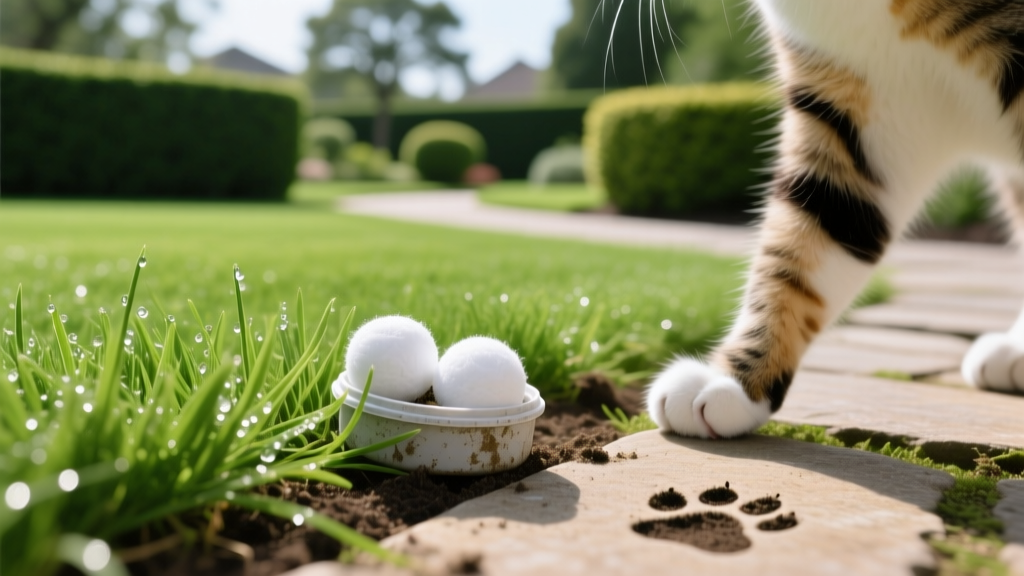
Will Moth Balls Keep Cats Away? Toxicity Risks & Safe Alternatives
The short answer to whether mothballs are an effective feline deterrent is no. More importantly, using mothballs outdoors to repel cats, dogs, or wildlife is highly dangerous, environmentally destructive, and a violation of federal pesticide laws. While the strong odor of mothballs might temporarily cause a cat to avoid a specific garden bed, the practice poses severe, potentially fatal health risks to the very animals you are trying to deter, alongside neighborhood pets and local wildlife.
⚠️ CRITICAL LEGAL & SAFETY WARNING: Mothballs are registered pesticides regulated by the Environmental Protection Agency (EPA). Under the Federal Insecticide, Fungicide, and Rodenticide Act (FIFRA), using any pesticide in a manner inconsistent with its labeling is a federal offense. The label explicitly states mothballs must be used indoors in airtight containers. Scattering them in lawns, gardens, or crawl spaces is illegal and subject to substantial fines.
The Chemical Reality: Naphthalene vs. Paradichlorobenzene
Modern mothballs are primarily composed of one of two active chemical ingredients. Both are highly toxic to felines, but they cause damage through entirely different biological mechanisms. Understanding these chemicals explains why they are so hazardous when introduced to an open lawn environment.
| Chemical Compound | Toxicity Mechanism in Cats | Environmental Behavior |
|---|---|---|
| Naphthalene | Causes oxidative damage to red blood cells, leading to Heinz body anemia and methemoglobinemia. Highly toxic even in small doses. | Readily leaches into soil and groundwater. Sublimates rapidly in heat, creating toxic vapor clouds near the ground. |
| Paradichlorobenzene (PDB) | Targets the central nervous system and liver. Causes severe hepatic necrosis, tremors, and seizures upon ingestion or heavy inhalation. | More persistent in soil than naphthalene. Does not dissolve easily in water but bioaccumulates in the local food web. |
According to the Environmental Protection Agency (EPA), both chemicals transition from a solid to a toxic gas (sublimation) when exposed to air. When placed outdoors, rain and irrigation accelerate the breakdown process, turning the mothballs into a toxic sludge that contaminates the topsoil and runs off into storm drains, ultimately poisoning local waterways.
Why Mothballs Fail as a Feline Deterrent
Beyond the legal and health implications, mothballs are simply an ineffective long-term pest control strategy for cats. Felines possess roughly 200 million odor sensors, making their sense of smell vastly superior to humans. However, cats are highly adaptable creatures. While the initial shock of the chemical odor may cause a cat to route around a treated garden bed, olfactory adaptation occurs quickly. Within a few days, the cat will habituate to the smell, especially if the garden bed offers a high-value reward, such as soft, freshly turned soil for a litter box or the presence of hunting prey like voles.
Furthermore, outdoor conditions rapidly neutralize the deterrent effect. Ultraviolet light, rain, and sprinkler systems dissolve the outer layers of the mothballs. Once the structural integrity of the ball breaks down, the concentrated gas release drops significantly, leaving behind a toxic, foul-smelling residue that no longer repels the animal but continues to poison the soil.
The Severe Health Risks to Cats and Wildlife
If a neighborhood cat, a roaming dog, or local wildlife (such as raccoons or squirrels) investigates the mothballs, the consequences are often fatal. The Pet Poison Helpline classifies mothball ingestion as a severe, life-threatening emergency. Cats are particularly vulnerable because their livers lack specific glucuronosyltransferase enzymes required to metabolize toxic compounds efficiently.
Signs of Mothball Toxicity in Felines
- Gastrointestinal Distress: Vomiting, severe diarrhea, and abdominal pain within hours of ingestion or heavy inhalation.
- Respiratory Complications: Coughing, labored breathing, and chemical pneumonitis from inhaling concentrated sublimated gases.
- Neurological Symptoms: Lethargy, ataxia (loss of coordination), tremors, and severe seizures (primarily associated with PDB toxicity).
- Hematological Damage: Pale or brownish gums indicating methemoglobinemia, a condition where the blood loses its ability to carry oxygen effectively due to naphthalene exposure.
Veterinary treatment for mothball poisoning requires immediate intervention, often involving induced emesis, activated charcoal administration, intravenous fluid diuresis, and in severe cases, blood transfusions. The average emergency veterinary bill for toxicology treatment ranges from $1,500 to $3,500, a financial burden often passed on to the homeowner who illegally deployed the pesticide.
Proven, Safe Cat Repellent Alternatives for Lawns
To protect your landscaping without violating federal law or endangering local fauna, you must rely on deterrents that exploit a cat's natural aversions safely. Below is a comparison matrix of the most effective, non-toxic alternatives available to homeowners.
| Deterrent Method | Estimated Cost | Effectiveness | Maintenance Required |
|---|---|---|---|
| Motion-Activated Sprinklers (e.g., Orbit Yard Enforcer) | $60 - $85 | Very High (Startles via sound and water) | Low (Battery changes, winterizing) |
| Textural Mulching (Pine cones, rough cedar, stone) | $15 - $40 per bag | Moderate to High (Deters digging) | Moderate (Replenish annually) |
| Botanical Repellents (Coleus canina, Lavender, Rosemary) | $10 - $25 per plant | Moderate (Olfactory masking) | High (Watering, pruning, seasonal care) |
| Ultrasonic Repellents (e.g., Aspectek Predator Guard) | $35 - $60 | Low to Moderate (High habituation rate) | Low (Solar powered, occasional cleaning) |
The Gold Standard: Motion-Activated Sprinklers
The most reliable method for keeping cats out of specific lawn zones is the motion-activated sprinkler. Devices like the Orbit 62100 Yard Enforcer utilize an infrared sensor to detect animal body heat and movement up to 40 feet away. When triggered, it releases a sudden, sharp burst of water accompanied by a loud mechanical clicking sound. This dual-stimulus startle response creates a strong negative association with the area without causing physical harm. Because the stimulus is unpredictable and physical, cats do not habituate to it the way they do with static odors or ultrasonic frequencies.
Textural Barriers for Garden Beds
Cats prefer soft, fine-grained soil for digging and eliminating. By altering the physical texture of your garden beds, you can make the area unappealing. Apply a 2-inch layer of rough-textured mulch, such as large cedar bark chips, crushed gravel, or lay down chicken wire just beneath the top layer of soil. Cats despise the feeling of rough or unstable surfaces on their paws, prompting them to seek softer ground elsewhere.
Step-by-Step: How to Remediate a Yard Treated with Mothballs
If you or a previous homeowner has already scattered mothballs in the yard, immediate remediation is required to prevent soil toxicity and protect local pets. Do not simply pick up the visible pieces; the chemicals have likely leached into the surrounding earth.
- Don Proper PPE: Put on thick nitrile gloves and an N95 respirator. Do not handle mothballs with bare hands, and avoid inhaling the concentrated sublimation gases.
- Surface Removal: Carefully pick up all visible whole and partial mothballs. Place them immediately into a sealable, heavy-duty plastic bag or a glass jar with a tight-fitting lid to halt environmental off-gassing.
- Soil Excavation: Using a trowel, excavate the top 2 to 3 inches of soil directly beneath and immediately surrounding (at least a 6-inch radius) where each mothball was resting. The soil will often have a distinct yellow or brown stain and a strong chemical odor.
- Proper Disposal: Mothballs and contaminated soil are classified as household hazardous waste (HHW). Do not throw them in the standard municipal trash or compost bins. Contact your local county waste management facility for HHW drop-off protocols.
- Soil Flushing and Amendment: Once the contaminated soil is removed, flush the exposed subsoil with water to help dilute any remaining trace chemicals. Backfill the excavated areas with fresh, organic topsoil and compost to restore the microbial health of the lawn.
Frequently Asked Questions
Can I use mothballs in my crawl space or shed to keep cats out?
No. Even in semi-enclosed spaces like sheds or crawl spaces, mothballs pose a severe inhalation risk to humans, pets, and wildlife that may enter the area. The Cornell University NYS IPM program explicitly advises against using mothballs in any area where humans or animals can access the vapors. Use physical exclusion methods, such as sealing gaps with hardware cloth, instead.
Are there any commercial chemical cat repellents that are safe?
Yes, there are EPA-exempt commercial repellents formulated with essential oils like peppermint, garlic, and citrus. Products like Nature's Mace Cat Repellent (approx. $35 for a 32oz ready-to-use spray) utilize plant-based oils that irritate a cat's nasal passages mildly without causing systemic toxicity. However, these require frequent reapplication, especially after rainfall or heavy irrigation.
Will coffee grounds keep cats away?
While often touted as a DIY remedy, spent coffee grounds are largely ineffective as a primary cat deterrent. The odor dissipates rapidly outdoors, and cats will readily walk over or dig in coffee-ground-amended soil. Furthermore, if a cat or dog ingests a significant amount of spent grounds, the residual caffeine can cause caffeine toxicity, leading to restlessness, rapid breathing, and heart palpitations.

