
Pest Control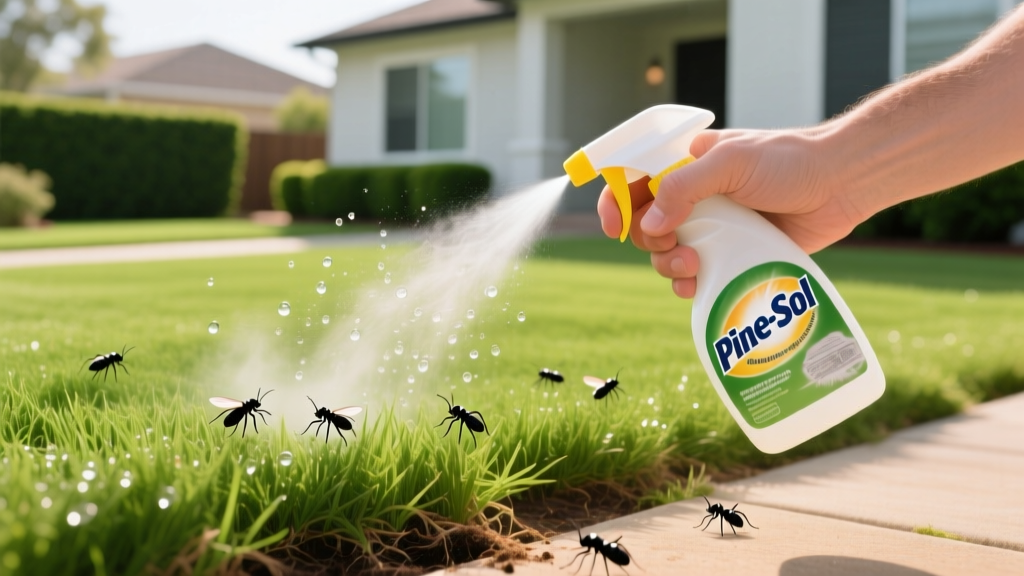
Will Pine-Sol Kill Fleas? The Truth About DIY Yard Treatments
The Short Answer: Will Pine-Sol Kill Fleas?
When a flea infestation spills from the living room into the backyard, many homeowners search for quick, cheap DIY remedies. A common internet myth suggests that spraying Pine-Sol on your lawn or pet bedding will eradicate fleas. The short answer is no, Pine-Sol will not kill fleas, nor is it an effective or safe yard treatment.
While original Pine-Sol formulations contained high concentrations of pine oil (which has mild, unregistered insect-repelling properties), modern household cleaners rely on synthetic fragrances and surfactants. These ingredients lack the biochemical mechanisms required to penetrate a flea’s exoskeleton or disrupt its nervous system. Relying on household cleaners for pest control wastes money, damages your lawn's soil microbiome, and introduces severe toxicity risks to your pets.
⚠️ CRITICAL PET TOXICITY WARNING: Pine oil and phenolic compounds are highly toxic to cats and dogs. Ingestion, inhalation, or even skin contact with concentrated pine cleaners can cause central nervous system depression, liver failure, and severe chemical burns. Never apply Pine-Sol to pets, pet bedding, or areas where pets actively roam and groom themselves.
The Chemistry: Why Household Cleaners Fail as Insecticides
To understand why this DIY method fails, we must compare the active chemistry of household surfactants against EPA-registered insecticides. Fleas (Ctenocephalides felis) possess a highly resilient, sclerotized exoskeleton that repels water-based cleaning solutions.
| Feature | Modern Pine-Sol Cleaner | EPA-Registered Flea Yard Spray (e.g., Bifenthrin) |
|---|---|---|
| Active Mechanism | Surfactants (C10-12 Alkyl Alcohol Ethoxylates) lift grease and dirt. | Sodium channel modulators paralyze the insect nervous system. |
| Exoskeleton Penetration | None. Water-based formula beads off the flea's waxy cuticle. | High. Formulated with solvents that breach the chitin barrier. |
| Residual Control | Zero. Evaporates or washes away immediately. | 30 to 90 days of residual lawn protection. |
| EPA Registration | Registered as a household disinfectant, NOT a pesticide. | Strictly regulated and tested for environmental safety. |
The Hidden Dangers: Lawn Burn and Soil Disruption
Beyond failing to kill fleas, broadcasting household cleaners across your lawn causes significant agronomic damage. The surfactants and citric acid in multi-surface cleaners strip the protective waxy cuticle from grass blades, leading to rapid desiccation and 'chemical burn' browning.
Furthermore, the antibacterial agents in disinfectants decimate the soil microbiome. Beneficial nematodes, mycorrhizal fungi, and nitrogen-fixing bacteria are wiped out, leaving your turf vulnerable to secondary fungal diseases like brown patch or dollar spot. According to the University of California Integrated Pest Management (UC IPM) program, maintaining a healthy soil ecosystem is a foundational step in natural pest suppression; sterilizing your soil with household chemicals achieves the exact opposite.
What Actually Works: The IGR and Adulticide Protocol
To eliminate a yard flea infestation, you must attack the pest at two distinct life stages: the adult flea and the developing larvae. The Environmental Protection Agency (EPA) recommends a dual-action approach utilizing an adulticide paired with an Insect Growth Regulator (IGR).
Step 1: Calculate and Prepare the Lawn
Measure your treatment area. Fleas do not typically inhabit open, sun-baked areas; they thrive in shaded, humid microclimates. Focus your treatment under decks, along fence lines, in dog runs, and beneath shrubbery. Mow the lawn to a height of 2.5 inches to allow the spray to reach the soil surface where larvae reside.
Step 2: Mix the Adulticide (Bifenthrin)
Use a professional-grade concentrate like Bifenthrin 7.9% (e.g., Talstar P).
Mixing Ratio: 1 fluid ounce per 1,000 square feet.
Application: Add the concentrate to a pump sprayer, fill halfway with water, agitate, and fill the rest. Apply evenly to shaded areas. Bifenthrin provides a rapid 'knockdown' of adult fleas within 24 hours and leaves a microscopic residual barrier on the grass blades.
Step 3: Add the IGR (Pyriproxyfen)
Adulticides do not kill flea eggs or pupae. You must add an IGR like Pyriproxyfen (e.g., Archer IGR or NyGuard) to the same tank mix.
Mixing Ratio: 1 fluid ounce per 1,500 square feet.
The Science: Pyriproxyfen is a synthetic juvenile hormone mimic. When flea larvae ingest it, it prevents them from molting into adults, effectively breaking the reproductive cycle for up to 7 months outdoors.
Step 4: Water and Wait
Allow the application to dry completely (usually 2 to 4 hours) before allowing pets or children back onto the lawn. Once dry, the chemical binds to the organic matter and is safe for mammals. Lightly irrigate the lawn 24 hours after application to push the IGR down into the thatch layer where larvae feed on flea dirt.
Cost and Efficacy Matrix: DIY Cleaner vs. Professional Grade
Homeowners often turn to Pine-Sol because they believe it is cheaper. When you calculate the cost per 1,000 square feet and factor in the failure rate, professional concentrates are vastly more economical.
| Metric | Pine-Sol (Hypothetical Yard Use) | Bifenthrin + Pyriproxyfen Tank Mix |
|---|---|---|
| Upfront Cost | $15.00 (1 Gallon Jug) | $85.00 (Combined Concentrates) |
| Total Coverage | ~500 sq ft (Ineffective spot treatment) | 10,000+ sq ft (Full perimeter & shade) |
| Cost per 1,000 sq ft | $30.00+ | $8.50 |
| Kill Rate | < 5% (Contact only, no residual) | > 95% (Adults + Life Cycle Interruption) |
| Reapplication Frequency | Daily (Fails to stop hatching) | Every 30 to 60 days |
Frequently Asked Questions
Can I mop my indoor hard floors with Pine-Sol to kill fleas?
Mopping with Pine-Sol will clean your floors and remove some organic debris that larvae feed on, but it will not kill flea eggs or pupae hidden in baseboard cracks. For indoor hard surfaces, vacuuming daily and washing pet bedding in hot water (140°F) is far more effective than chemical mopping.
Does the smell of pine repel fleas?
While strong odors like cedar, pine, and eucalyptus can mildly disorient adult fleas, they do not act as a reliable repellent barrier. Fleas are driven by the detection of carbon dioxide and body heat from a host; a pine scent will not stop a hungry flea from jumping onto your dog or cat.
What is the safest yard treatment if my dog eats grass?
Once EPA-registered liquid concentrates like Bifenthrin and Pyriproxyfen are fully dry, they are bound to the soil and plant tissue and pose minimal risk to grazing dogs. However, if your dog is a compulsive grass-eater, consider using Beneficial Nematodes (Steinernema carpocapsae). These are microscopic, naturally occurring soil worms that hunt and consume flea larvae in the soil with zero chemical toxicity to mammals.
Expert Takeaway: Stop wasting money on household disinfectants for pest control. Fleas require targeted biochemical disruption. Invest in a one-time purchase of an Adulticide/IGR concentrate, apply it to shaded microclimates, and you will break the infestation cycle in under 14 days.

