
Pest Control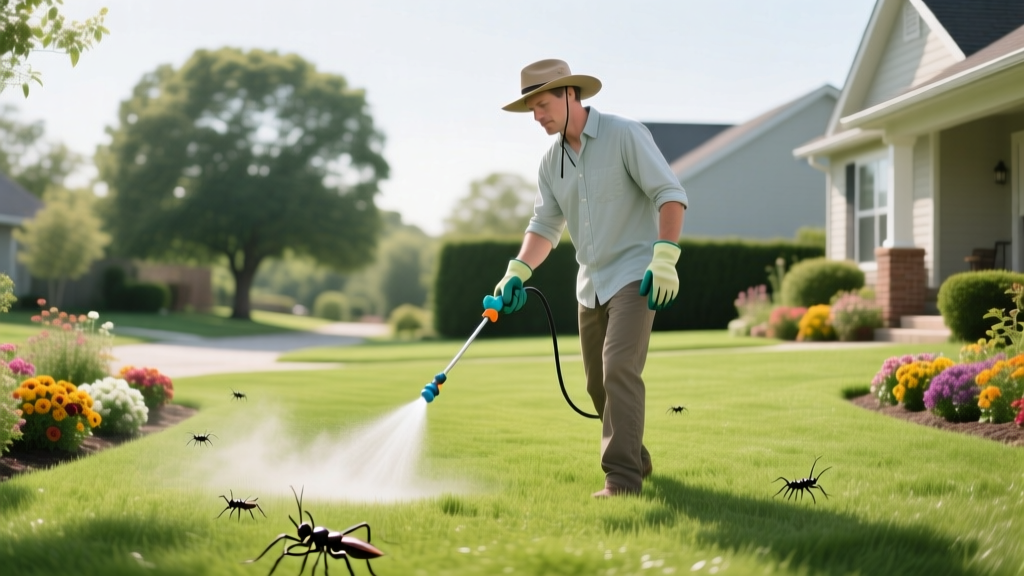
Effective Chiggers Treatment: Yard Defense and Bite Relief
The Biology of Chiggers: Why Your Yard is Under Attack
Chiggers (Trombiculidae) are not insects; they are the larval stage of microscopic mites. Unlike ticks or mosquitoes, chiggers do not burrow into your skin or suck blood. Instead, the six-legged larvae attach to skin pores and inject digestive enzymes that dissolve tissue, forming a feeding tube called a stylostome. This enzymatic destruction triggers the intense, delayed itching associated with chigger bites. Understanding this biology is the first step in effective chiggers treatment, as it dictates both how we eliminate them from the landscape and how we treat the resulting dermatitis.
According to Texas A&M AgriLife Extension, chiggers thrive in environments with high humidity and dense ground cover, specifically in the ecotones—the transition zones where your manicured lawn meets wooded areas, tall weeds, or unmowed brush. They require soil surface humidity levels above 75% to survive, which is why they cluster in shaded, damp microclimates.
Yard Defense: Chemical and Organic Treatment Matrix
Treating the yard requires targeting the larval stage before they attach to a host. Below is a comparison of the most effective active ingredients for landscape defense, evaluating their efficacy, safety profiles, and cost-efficiency for a standard 5,000 square foot treatment zone.
| Treatment Type | Active Ingredient / Product | Application Rate (per 1,000 sq ft) | Pet & Wildlife Safety | Approx. Cost |
|---|---|---|---|---|
| Synthetic Pyrethroid | Bifenthrin 7.9% (e.g., Talstar P) | 1 fl oz per gallon of water | Safe for dogs once dry; highly toxic to fish/aquatic life | $45 / 3/4 gallon |
| Synthetic Pyrethroid | Permethrin 10% (e.g., Martin's) | 6.5 fl oz per gallon of water | Highly toxic to cats (wet or dry); toxic to bees | $25 / 16 oz |
| Organic / Mineral | Sulfur Dust (e.g., Lilly Miller) | 1 lb dusted over damp soil | Generally safe for pets; can lower soil pH over time | $12 / 4 lb bag |
| Mechanical / Organic | Diatomaceous Earth (Food Grade) | Light dusting (loses efficacy when wet) | Safe for pets; respiratory irritant during application | $20 / 4 lb bag |
Deep Dive: Bifenthrin vs. Sulfur
For severe infestations, Bifenthrin is the gold standard. It provides a residual barrier that lasts 30 to 45 days, disrupting the nervous system of the mites on contact. However, if you maintain a centipede grass lawn or have acid-loving ornamentals (like azaleas), repeated use of Sulfur can artificially lower your soil pH below the optimal 5.5-6.0 range. Sulfur acts as a repellent and desiccant but requires reapplication after every rainfall, making it a high-maintenance organic alternative.
Step-by-Step Yard Application Protocol
To execute a comprehensive chiggers treatment in your landscape, follow this targeted application sequence during late spring or early summer when soil temperatures consistently exceed 60°F (15°C).
- Map the Ecotones: Identify all transition zones. Focus on fence lines, the base of oak and pine trees, and areas where ivy or creeping charlie grows unchecked.
- Cultural Pre-Treatment: Mow the perimeter grass to 2.5 inches. Remove leaf litter and prune lower tree branches to allow UV penetration. Chiggers cannot survive direct sunlight and low humidity.
- Mix the Solution: For Bifenthrin, mix 1 fluid ounce per gallon of water in a pump sprayer. Agitate the tank thoroughly to ensure the suspension is even.
- Targeted Spraying: Spray the identified transition zones until the grass blades and top layer of soil are visibly wet, but not to the point of runoff. Pay special attention to the base of tall weeds.
- Drying and Re-entry: Keep all humans and pets off the treated lawn for exactly 2 hours, or until the grass blades are completely dry to the touch.
Environmental Warning: Never apply Bifenthrin or Permethrin near koi ponds, streams, or storm drains. These pyrethroids are acutely toxic to aquatic invertebrates and fish. Maintain a strict 15-foot buffer zone from any water feature.
Personal Chiggers Treatment: Bite Relief and Myth Busting
When yard defense fails and you are bitten, treating the stylostome and the resulting histamine reaction requires a clinical approach, not folk remedies.
The Nail Polish Myth: A pervasive myth suggests painting clear nail polish over a chigger bite will 'suffocate' the bug. This is biologically impossible. Chiggers do not burrow into the skin; they feed externally and typically detach and fall off within 2 to 4 days. The itching is caused by the hardened stylostome and your immune response, not a living insect trapped under your skin. Nail polish only traps bacteria and increases the risk of secondary staph infections.
Proven Bite Relief Framework
To manage trombiculosis (chigger dermatitis), utilize the following tiered treatment protocol based on symptom severity:
- Immediate Action (0-2 hours post-exposure): Take a shower using soap and a washcloth. The physical friction of the washcloth will dislodge any unattached or recently attached larvae before they form the stylostome. Avoid hot water, which triggers mast cells to release more histamine.
- Mild Itching (Topical): Apply 1% Hydrocortisone cream or Calamine lotion directly to the welts 3 times daily. Pramoxine-based lotions (like Sarna Sensitive) provide temporary numbing of the nerve endings.
- Severe Systemic Itching (Oral): For widespread bites disrupting sleep, take a second-generation oral antihistamine such as Cetirizine (Zyrtec) 10mg or Fexofenadine (Allegra) 180mg once daily. These cross the blood-brain barrier less than first-generation options like Diphenhydramine (Benadryl), preventing daytime drowsiness while suppressing the histamine response.
According to dermatological guidelines from the Mayo Clinic, if the bites develop pus, extreme warmth, or red streaks, this indicates a secondary bacterial infection requiring prescription topical or oral antibiotics, not just anti-itch creams.
Frequently Asked Questions
Can chiggers infest my house or bed?
No. Chiggers require high humidity and specific soil microclimates to survive. If they are brought indoors on clothing, they will quickly desiccate and die in the low-humidity environment of a climate-controlled home. They cannot reproduce in carpets or bedding, unlike fleas or bed bugs.
How long does a yard treatment last?
A professional-grade Bifenthrin application provides 30 to 45 days of residual control. However, heavy rainfall (exceeding 1 inch) or frequent overhead irrigation can degrade the chemical barrier, necessitating a reapplication. For continuous defense, schedule treatments in early May and again in mid-July.
Are there natural predators I can encourage?
Yes. Encouraging ground-foraging birds, such as robins and towhees, and maintaining populations of predatory nematodes in your soil can naturally suppress mite populations. Applying beneficial nematodes (Steinernema carpocapsae) to damp soil in the spring targets the mite life cycle organically, though it is best used as a preventative measure rather than a curative treatment for active infestations. For more on biological controls, consult the Clemson Home & Garden Information Center.

