
Pest Control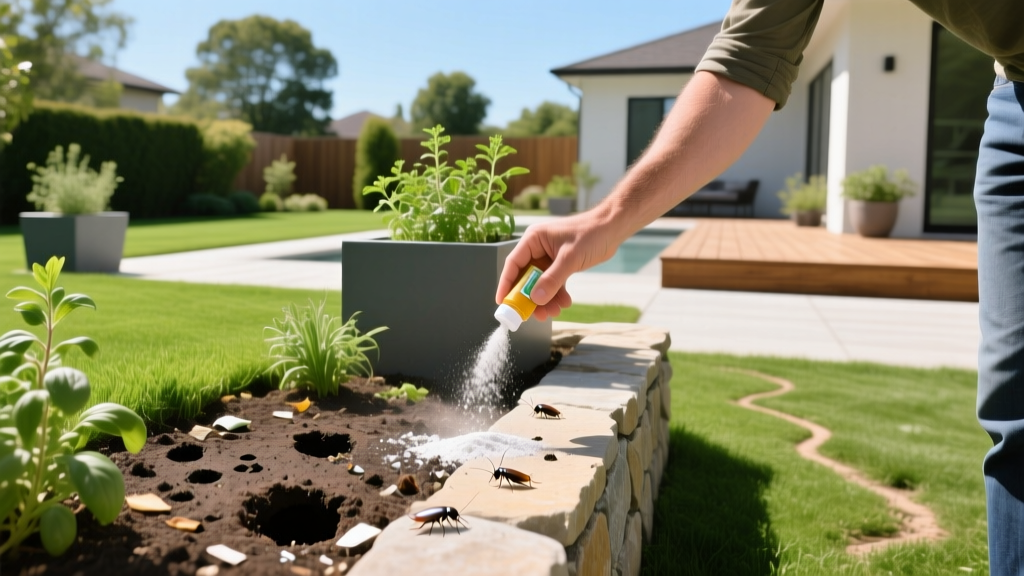
Effective Home Remedies to Rid Roaches From Your Yard and Perimeter
When homeowners search for home remedies to rid roaches, the immediate instinct is to treat the kitchen or bathroom. However, large species like the American cockroach (Periplaneta americana), Smokybrown cockroach, and Oriental cockroach (Blatta orientalis) primarily breed outdoors. They invade homes through weep holes, cracked weather stripping, and utility penetrations when outdoor conditions become too dry, too wet, or too cold. True perimeter defense requires treating the yard, mulch beds, and foundation before these pests ever reach your doorstep.
The Outdoor Origin of Indoor Infestations
Unlike the German cockroach (Blattella germanica), which is an obligate indoor pest that spreads via passive transport (grocery bags, used appliances), outdoor roaches are structural invaders. According to the Environmental Protection Agency (EPA), managing outdoor harborage and moisture is the first line of defense in integrated pest management (IPM). A single female American cockroach can produce up to 150 offspring in her lifetime, often hiding her egg cases (oothecae) in yard debris, stacked firewood, or thick ivy groundcover. By deploying targeted home remedies in the yard, you disrupt the breeding cycle at its source.
Proven Home Remedies to Rid Roaches in the Yard
Chemical perimeter sprays containing bifenthrin or cypermethrin are effective but can harm beneficial insects, pollinators, and local aquatic ecosystems via runoff. The following natural and DIY remedies offer high efficacy with lower ecological impact when applied correctly.
1. Food-Grade Diatomaceous Earth (DE) Perimeter Dusting
Diatomaceous earth is a fossilized algae powder that acts as a mechanical desiccant. Under a microscope, DE particles look like shattered glass; they lacerate the waxy exoskeleton of roaches, causing them to dehydrate and die within 48 to 72 hours.
- Application Rate: Apply a visible but thin layer (about 1/8 inch thick) using a bulb duster. Heavy piles will simply be walked over by the insects.
- Target Zones: Dust along the foundation, under the lip of siding, around utility pipe penetrations, and beneath low-lying decks.
- Cost: A 4 lb bag of food-grade DE (such as Harris or Safer Brand) costs between $12 and $18 and covers approximately 2,000 linear feet of perimeter.
- Limitation: DE loses its efficacy when wet. You must reapply after heavy rainfall or overhead irrigation.
2. Boric Acid and Sugar Bait in PVC Shelters
Boric acid (99% concentration) is a slow-acting stomach poison. When roaches ingest it, it disrupts their metabolism and abrades their exoskeleton. Because it is slow-acting, foraging roaches return to their outdoor harborage and die, where cannibalistic nymphs consume the carcass and receive a secondary lethal dose.
The Recipe: Mix 1 part boric acid powder with 3 parts powdered sugar and 2 parts finely grated onion or peanut butter to form a dough. Roll into pea-sized balls.
The Delivery System: To protect the bait from rain, pets, and wildlife, drill two 1-inch holes on opposite sides of a 2-inch diameter PVC pipe cut to a 6-inch length. Place 3 to 4 bait balls inside and lay the pipes horizontally in mulch beds, near compost bins, and along fence lines.
3. Cedarwood and Peppermint Oil Emulsion Spray
Essential oils do not typically kill large outdoor roaches on contact, but they act as powerful spatial repellents that disrupt the insects' olfactory receptors, preventing them from navigating toward your home. Cedarwood oil contains cedrol, which is highly toxic to roach nymphs, while peppermint oil contains menthol, a strong deterrent.
- Mixing Ratio: Combine 15 drops of cedarwood oil, 15 drops of peppermint oil, and 1 teaspoon of liquid castile soap (to emulsify the oil) in a 16 oz spray bottle filled with warm water.
- Application: Spray generously on door frames, window sills, weep holes, and the lower 12 inches of your home's exterior siding every 10 to 14 days.
Remedy Comparison Matrix
| Home Remedy | Active Mechanism | Est. Cost per Treatment | Pet & Wildlife Safety | Reapplication Frequency |
|---|---|---|---|---|
| Food-Grade DE | Mechanical desiccation | $0.05 per linear foot | High (Avoid inhalation) | After rain / 30 days |
| Boric Acid PVC Bait | Stomach poison / Abrasion | $8.00 initial setup | High (Contained in PVC) | Every 3 months |
| Essential Oil Emulsion | Olfactory repellent | $1.50 per application | Moderate (Toxic to cats if ingested) | Every 10-14 days |
Cultural Controls: Modifying the Yard Environment
According to Penn State Extension, home remedies will ultimately fail if the yard provides ideal harborage. Roaches require three things: moisture, shelter, and organic food sources. Implementing these landscaping modifications is mandatory for long-term defense.
The 12-Inch Mulch Rule
Thick layers of organic mulch retain moisture and provide perfect shelter for Oriental and Smokybrown roaches. Pull all mulch, pine straw, and dense groundcover (like ivy or pachysandra) back to create a 12-inch bare soil or gravel buffer zone directly against your home's foundation. If you must use mulch near the house, switch to inorganic options like crushed stone or rubber mulch, which do not retain moisture or provide food.
Woodpile and Debris Elevation
Stacked firewood and lumber are prime breeding grounds for American cockroaches. Never store wood directly on the soil. Elevate all woodpiles at least 18 inches off the ground using metal rack stands or concrete blocks, and keep them at least 20 feet away from the home's exterior. Inspect the bottom boards of your fence line and remove accumulated leaf litter, which acts as a sponge for moisture and a food source for detritivores like roaches.
Moisture Grading and Spigot Repair
A single dripping outdoor hose bib can produce enough localized moisture to sustain a colony of hundreds of roaches. Replace worn rubber washers in all outdoor spigots. Additionally, ensure that your yard's grading slopes away from the foundation at a minimum drop of 6 inches over the first 10 feet to prevent water from pooling against the siding.
⚠️ Warning: When to Abandon Home Remedies
Home remedies and perimeter defenses are highly effective against outdoor-invading species (American, Oriental, Smokybrown). However, if you are finding small (1/2 inch), light brown roaches with two dark parallel stripes behind their heads in your kitchen cabinets or bathroom vanities, you are dealing with a German cockroach infestation. German roaches are strictly indoor pests that breed exponentially. DIY yard treatments will not solve this problem; you must deploy indoor gel baits (like Advion) or hire a licensed pest control professional immediately.
Frequently Asked Questions
Will pouring bleach down outdoor drains kill roaches?
No. While bleach is a strong disinfectant, it dissipates rapidly in water and does not leave a residual toxic effect in drain pipes. Furthermore, pouring large amounts of bleach into yard drains or sewer cleanouts can harm the beneficial bacteria in your septic system or municipal water treatment facilities. Use enzymatic drain cleaners to remove the organic sludge that drain roaches feed on instead.
Do ultrasonic pest repellers work in the yard?
There is no peer-reviewed scientific evidence supporting the efficacy of ultrasonic devices for cockroach control. Sound waves cannot penetrate solid objects like siding, fencing, or dense foliage, rendering them useless in an open yard environment. Stick to mechanical and chemical barriers like DE and boric acid.
How long does it take for diatomaceous earth to kill a roach?
Once a roach walks through a properly applied layer of DE, the microscopic shards cut the lipid layer of its exoskeleton. The insect will typically die of dehydration within 48 to 72 hours, depending on the ambient humidity and temperature of the yard.

