
Pest Control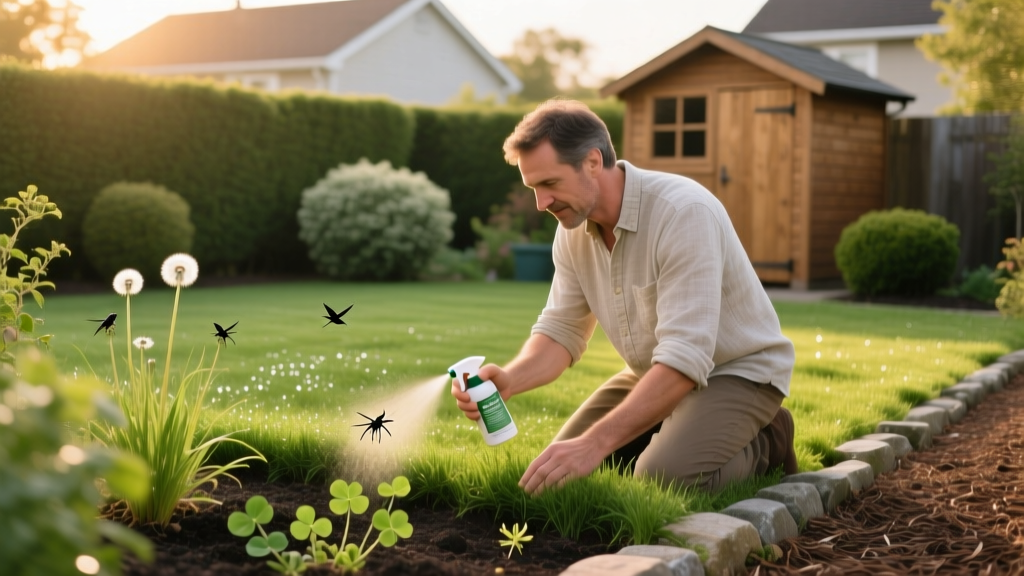
Effective Flea Repellent for Home and Yard Perimeter Defense
Most homeowners treat flea infestations reactively, deploying foggers and indoor sprays only after pets begin scratching. This approach ignores a critical biological reality: adult fleas living on your pets represent only 5% of the total flea population. The remaining 95%—eggs, larvae, and pupae—reside in the environment, primarily in your yard. To establish a truly effective flea repellent for home defense, you must intercept the pest pipeline at the property perimeter before they migrate indoors via shoes, clothing, or pets.
The Flea Life Cycle: Why Yard Defense is Your First Line
The cat flea (Ctenocephalides felis) is the most common species infesting both dogs and cats, as well as the urban wildlife that trespasses on your property. According to the Centers for Disease Control and Prevention (CDC), fleas require high humidity and shaded environments to survive their larval stages. This makes the transitional zones of your yard—the shaded areas near your home's foundation, under decks, and along fence lines—prime breeding grounds.
The most resilient stage of the flea life cycle is the pupa. Encased in a sticky, dirt-camouflaged cocoon, flea pupae are impervious to most standard chemical insecticides. They can remain dormant in your yard's soil and thatch for up to 140 days, waiting for the vibrations and carbon dioxide signatures of a passing host. A comprehensive yard-to-home defense strategy must target this specific vulnerability using biological controls and Insect Growth Regulators (IGRs).
Active Ingredient Matrix: Choosing Your Perimeter Repellents
Not all outdoor pest control products are created equal. Selecting the right active ingredient depends on your specific yard conditions, pet exposure, and the severity of the infestation. Below is a breakdown of the most effective compounds for establishing a flea-free perimeter.
| Active Ingredient / Method | Type | Target Stage | Avg. Cost per 1,000 sq ft | Pet Safety Profile |
|---|---|---|---|---|
| Pyriproxyfen (IGR) | Chemical | Eggs & Larvae | $0.12 - $0.18 | Safe for dogs/cats once dry |
| Steinernema carpocapsae | Biological | Larvae & Pupae | $0.03 - $0.05 | 100% Safe (Non-toxic) |
| Permethrin (36.8% EC) | Chemical | Adults | $0.08 - $0.10 | Highly toxic to cats; safe for dogs when dry |
| Cedarwood Oil (Botanical) | Natural Repellent | Adults (Repels) | $0.25 - $0.35 | Safe for all pets immediately |
💡 Pro Insight: For maximum efficacy, combine an adulticide (like Permethrin) with an IGR (like Pyriproxyfen). The adulticide knocks down the current population, while the IGR prevents the next generation from molting into adults, effectively breaking the reproductive cycle.
Step-by-Step Perimeter Treatment Protocol
Establishing a defensive barrier requires precise application timing and coverage. Follow this 4-step protocol to fortify your home's perimeter against flea migration.
Step 1: Habitat Modification and Thatch Reduction
Flea larvae require high humidity and organic debris to feed on. Use a dethatching rake or a power dethatcher to remove excess organic buildup from your lawn, particularly within 10 feet of your home's foundation. Trim back shrubs and tree branches to allow direct sunlight to hit the soil near the house. Ultraviolet light is naturally lethal to flea larvae and dries out the microclimates they need to survive.
Step 2: Deploy Beneficial Nematodes in Shaded Zones
Because flea pupae are shielded from chemical sprays, you must use biological warfare. Steinernema carpocapsae are microscopic, soil-dwelling worms that actively seek out and parasitize flea larvae and pre-emerged adults inside their cocoons.
- Application Rate: Apply 1 million nematodes per 1,000 square feet.
- Timing: Apply in the early morning or late evening when soil temperatures are between 55°F and 85°F.
- Preparation: Water the target area lightly before application to ensure the soil is moist, allowing the nematodes to travel through the soil matrix.
Step 3: Apply an IGR and Adulticide Barrier
Mix a combination spray using a pump sprayer. A standard, highly effective mixture for a 2-gallon tank involves 1.5 ounces of Permethrin 36.8% EC (for adult knockdown) and 1/2 ounce of an IGR containing Pyriproxyfen (for long-term growth disruption). Spray this mixture heavily along the foundation of your home, under porches, and around the base of fences. According to the UC Davis Integrated Pest Management program, treating the perimeter and shaded outdoor resting areas is critical for long-term suppression.
⚠️ Pet Safety Warning: Permethrin is highly toxic to cats and can cause fatal neurological tremors if they are exposed to wet applications. Keep all cats strictly indoors during application and do not allow them outside until the treated surfaces are 100% dry (typically 2 to 4 hours). If you have outdoor cats, skip Permethrin entirely and rely on Nematodes and Cedar Oil.
Step 4: Establish a Botanical Repellent Boundary
For the final layer of defense, apply a cedarwood oil-based repellent (such as Cedarcide Outdoor Pest Control) along the immediate threshold of your doors and the lower 12 inches of your exterior siding. Cedar oil acts as a powerful olfactory disruptor, masking the carbon dioxide and scent trails that draw adult fleas toward your home. Reapply this botanical barrier every 14 days during peak flea season (late spring through early fall).
Rodent Control: Stopping the Primary Flea Vectors
Your yard's flea repellent barrier will fail if local wildlife continuously reintroduces the pests. Opossums, roof rats, Norway rats, and feral cats are the primary vectors for urban flea infestations. A single opossum can carry thousands of fleas into your yard overnight.
To secure your perimeter, integrate rodent and wildlife management into your pest control strategy:
- Secure Bait Stations: Place tamper-resistant bait stations (e.g., Protecta RTU Mouse Bait Stations) along fence lines and near compost bins. Use bromethalin or diphacinone-based baits, checking them bi-weekly.
- Eliminate Harborages: Seal off crawl space vents with 1/4-inch hardware cloth and block gaps under sheds where rodents nest.
- Manage Food Sources: Remove pet food bowls from the yard at dusk and secure trash can lids with bungee cords to prevent attracting foraging wildlife.
Frequently Asked Questions
How long does an outdoor flea repellent barrier last?
Chemical adulticides like Permethrin typically remain effective on exterior surfaces for 30 to 45 days, depending on rainfall and UV exposure. IGRs like Pyriproxyfen can persist in shaded outdoor environments for up to 7 months. Botanical repellents (cedar oil) break down quickly and require reapplication every 2 to 3 weeks.
Can I use indoor flea sprays outside?
No. Indoor aerosol foggers and sprays are formulated for enclosed spaces and lack the UV stabilizers and surfactants required to bind to outdoor soil, concrete, and foliage. Using indoor products outside will result in rapid degradation and wasted money. Always purchase concentrates labeled specifically for outdoor perimeter use.
Will watering my lawn drown flea larvae?
While flea larvae require moisture to survive, they are highly susceptible to drowning if the soil is completely saturated. However, standard lawn irrigation is rarely sufficient to drown them, as they will simply climb up blades of grass or retreat into the thatch layer. Overwatering your lawn to kill fleas will likely result in fungal lawn diseases like brown patch before it significantly impacts the flea population.

