
Pest Control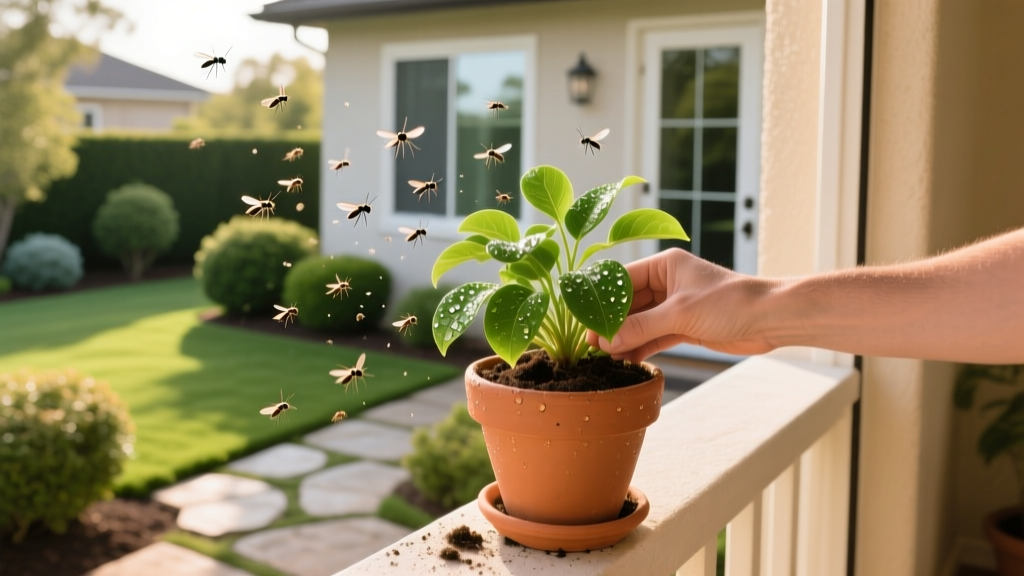
How Do You Get Gnats in Your Home? Yard-to-House Defense
The Outdoor-to-Indoor Gnat Pipeline
When homeowners ask, how do you get gnats in your home, the immediate assumption is often rotting fruit or a dirty kitchen drain. However, from a yard defense perspective, the vast majority of indoor gnat infestations—specifically fungus gnats (Bradysia spp.)—originate in outdoor soil, compost piles, and overwatered lawn margins before migrating indoors. Understanding this yard-to-house pipeline is the first step in breaking the reproductive cycle and reclaiming your living space.
Fungus gnats thrive in environments where soil moisture exceeds 25% volumetric water content and organic matter is actively decaying. When outdoor conditions become saturated, or when seasonal temperature drops force potted nursery plants indoors, these pests cross the threshold into your home. This guide details the exact biological mechanisms of this migration and provides a calibrated, professional-grade defense strategy to eliminate the source.
Quick Identification Guide:
- Fungus Gnats: Dark gray/black, 1/8-inch long, weak fliers, hover near soil. Origin: Yard soil, potted plants.
- Fruit Flies: Tan/brown, red eyes, attracted to fermenting sugars. Origin: Kitchen waste, fallen yard fruit.
- Drain Flies: Fuzzy, moth-like, dark wings. Origin: Sewer lines, stagnant outdoor drains.
Yard Breeding Hotspots: Pinpointing the Source
Before addressing the indoor symptoms, you must neutralize the outdoor breeding grounds. According to the University of California Agriculture and Natural Resources (UC ANR), fungus gnat larvae feed on fungi and algae in the top 2 to 3 inches of soil. If your yard features any of the following microclimates, you are actively cultivating a gnat population:
1. Over-irrigated Lawn Margins and Shade Zones
Areas of your lawn that receive heavy shade from tree canopies or the house itself dry out significantly slower than south-facing exposures. If your smart irrigation controller (e.g., Rachio 3 or Hunter Hydrawise) applies uniform watering across all zones, these shaded margins will develop surface algae and Pythium fungi—the primary food source for gnat larvae.
2. Imbalanced Compost Bins
Backyard composting is a major vector. A compost pile with a carbon-to-nitrogen (C:N) ratio lower than 25:1 becomes anaerobic, slimy, and highly attractive to gnats. Maintaining a strict 30:1 C:N ratio by adding dry brown matter (shredded cardboard, dry leaves) creates a friable texture that deters egg-laying females.
3. Potted Nursery Plants and Container Gardens
Bagged potting mixes containing high percentages of peat moss or composted bark retain moisture longer than mineral soils. When these containers sit on patos or near entryways, they act as Trojan horses. Bringing a potted citrus tree or hibiscus inside for the winter without a prior soil drench guarantees an indoor hatch.
The Migration: How They Cross the Threshold
Understanding how do you get gnats in your home requires looking at structural vulnerabilities and human behavior. Gnats do not magically materialize; they infiltrate via three primary vectors:
- The Hitchhiker Effect: The most common route. Larvae and pupae reside in the root ball of outdoor plants brought inside. A single 10-inch potted plant can harbor over 200 larvae.
- Structural Gaps: Adult fungus gnats are weak fliers but are drawn to light and carbon dioxide. Gaps in door weatherstripping wider than 1/16 of an inch, or torn window screens (standard 18x16 mesh is often too coarse to stop 1/8-inch gnats), allow outdoor populations to drift inside at dusk.
- Firewood and Mulch: Bringing in damp firewood or bagged mulch that has been sitting on wet soil introduces eggs directly into the home's interior.
2026 Gnat Eradication Matrix: Yard and Perimeter Treatments
To break the 21-to-28-day life cycle of the fungus gnat, you must target the larval stage in the soil. Spraying flying adults with pyrethroids is ineffective and ecologically damaging. Below is a professional-grade treatment matrix for yard and perimeter defense.
| Treatment Type | Active Ingredient | Top Product (Current Market) | Est. Cost | Application Rate & Strategy |
|---|---|---|---|---|
| BTI Granules | Bacillus thuringiensis israelensis | Summit Mosquito Bits | $18 / 30 oz | 4 tbsp per 50 sq ft. Water into topsoil. Kills larvae on contact. |
| Beneficial Nematodes | Steinernema feltiae | Scanmask (10 Million Count) | $35 / 10M | Mix with water, apply via watering can at dusk. Nematodes hunt larvae in soil. |
| Neem Oil Drench | Azadirachtin (Clarified) | Bonide Neem Oil Concentrate | $14 / 16 oz | 1 tbsp per gallon of water. Drench soil to disrupt larval molting hormones. |
| Physical Traps | Sticky Adhesive / Yellow Pigment | Gnat Stix or Yellow Sticky Cards | $12 / 20 pack | Place at soil level in potted plants. Catches adults, preventing egg-laying. |
Expert Insight: "BTI is highly specific to dipteran larvae (mosquitoes, gnats, black flies) and will not harm earthworms, pets, or beneficial soil microbes. It remains the gold standard for perimeter soil treatment around the home foundation." — Based on guidelines from the Penn State Extension integrated pest management protocols.
Soil Moisture and Irrigation Calibration
Chemical and biological controls will fail if the underlying moisture issue is not resolved. Fungus gnat eggs cannot survive in dry soil. You must calibrate your yard's hydration levels to create a hostile environment for reproduction.
Step 1: Audit Your Soil Moisture
Do not rely on the "finger test." Purchase a digital soil moisture meter (such as the ECOWITT WH51 or a standard analog tensiometer). Readings should drop to the lower end of the "moist" scale (around 30-40 kPa) before triggering the next irrigation cycle. If the top 2 inches of soil remain perpetually wet, you have a drainage or scheduling failure.
Step 2: Implement Cycle-and-Soak Irrigation
For clay-heavy soils common in many suburban lawns, water infiltration rates are often less than 0.5 inches per hour. If your sprinklers apply 1.5 inches per hour, the excess water pools on the surface, creating gnat habitats. Program your irrigation controller for "cycle and soak": apply 0.25 inches of water, wait 45 minutes for absorption, and repeat. This eliminates surface pooling entirely.
Step 3: Aerate and Top-Dress
If lawn margins remain soggy despite schedule adjustments, the soil profile is compacted. Perform core aeration in the early fall, pulling 3-inch plugs, and top-dress with coarse compost or coarse sand to permanently increase the soil's percolation rate.
Frequently Asked Questions
Can gnats survive the winter indoors if I bring my plants inside?
Yes. Indoor environments (typically 68°F to 72°F) provide the exact thermal conditions fungus gnats need to reproduce year-round. In the yard, winter frost kills the larvae, but your living room acts as a climate-controlled greenhouse. Always quarantine and treat outdoor plants with a BTI soil drench 14 days before moving them indoors.
Will a dehumidifier get rid of gnats?
A dehumidifier will reduce ambient indoor humidity, which may slightly slow fungal growth on the soil surface, but it will not kill larvae residing in the damp root ball of a potted plant. You must treat the soil directly with BTI or nematodes to stop the infestation.
How do I treat a large outdoor compost bin for gnats without killing beneficial composting worms?
BTI (Bacillus thuringiensis israelensis) is completely safe for red wiggler worms (Eisenia fetida) and beneficial bacteria. You can safely sprinkle BTI granules over your compost pile and water them in. Additionally, cap the top of your compost with a 2-inch layer of dry shredded newspaper or cardboard to create a physical barrier that deters adult females from laying eggs.

