Tree Care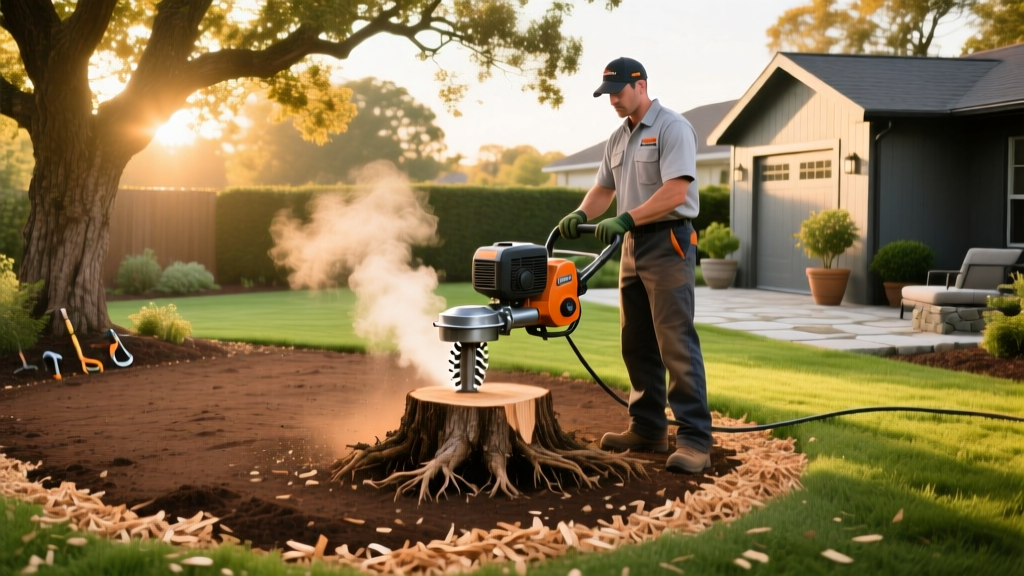
2026 Stump Grinding Rates: Cost Breakdown & Hidden Fees
The True Cost of Stump Grinding in 2026
Homeowners often budget meticulously for tree removal but overlook the final, crucial step: eliminating the stump. Leaving a stump invites carpenter ants, termites, and fungal diseases like honey fungus (Armillaria) that can spread to healthy landscape plants. In 2026, stump grinding rates have shifted due to rising equipment manufacturing costs, fuel prices, and increased demand for certified arborists. Understanding the current market prevents sticker shock and helps you negotiate a fair contract.
2026 Quick Cost Snapshot:
• National Average: $350 – $450 per stump
• Per-Inch Rate: $3.00 – $5.00 per inch of diameter
• Minimum Call-Out Fee: $150 – $250 (covers mobilization for small jobs)
• Multi-Stump Discount: 15% – 25% off for three or more stumps
• National Average: $350 – $450 per stump
• Per-Inch Rate: $3.00 – $5.00 per inch of diameter
• Minimum Call-Out Fee: $150 – $250 (covers mobilization for small jobs)
• Multi-Stump Discount: 15% – 25% off for three or more stumps
How Arborists Calculate Stump Grinding Rates
Unlike tree removal, which is often quoted as a flat project fee, professional stump grinding is almost universally priced by the diameter inch. However, the measurement isn't always straightforward. Arborists measure the diameter at ground level, which includes the root flare—the wide, tapering base where the trunk meets the soil. A tree with a 24-inch trunk might have a 36-inch root flare, significantly increasing the grinding time and the final bill.
Wood density also plays a massive role in pricing. Grinding through a soft, decaying pine stump takes a fraction of the time required to chew through a dense, seasoned Osage Orange or Live Oak. Carbide-tipped grinder teeth wear down rapidly on dense hardwoods, forcing contractors to factor in tooling replacement costs.
Average 2026 Rates by Tree Species
| Tree Species | Wood Density | Avg. Rate Per Inch | Contractor Notes |
|---|---|---|---|
| Pine / Spruce | Softwood | $2.50 - $3.50 | Fast grinding; sap can gum up grinder teeth. |
| Birch / Maple | Medium Hardwood | $3.50 - $4.50 | Standard rates; predictable root structures. |
| Oak / Hickory | Dense Hardwood | $4.50 - $6.00 | Heavy wear on carbide teeth; deep taproots. |
| Palm Trees | Fibrous | $5.00 - $7.00 | Fibrous trunks wrap around cutter wheels, requiring frequent clearing. |
Hidden Fees That Inflate Your Final Bill
A low per-inch quote can quickly balloon if your property presents specific logistical challenges. According to the International Society of Arboriculture (ISA), hiring a certified professional ensures transparent quoting, but you must still ask about these common surcharges:
- Debris Hauling and Cleanup ($50 - $150): Stump grinders produce a massive volume of woodchips mixed with soil. Most base quotes leave the chip pile on-site. If you want the chips hauled away and the hole backfilled with topsoil, expect an additional labor and dump-fee charge.
- Gate and Access Surcharges ($75 - $200): Standard tow-behind grinders require a 48-inch to 60-inch clearance. If your fence gate is only 36 inches wide, the crew must use a smaller, walk-behind mini-grinder. These units take twice as long to operate, resulting in a higher hourly or per-inch rate.
- Rocky Soil Penalties (20% - 30% Surcharge): If the stump is surrounded by buried landscape rocks, concrete footings, or gravel, the risk of shattering a $40 carbide grinding tooth skyrockets. Arborists will often add a risk premium or require a time-and-materials hourly rate instead of a per-inch quote.
DIY Stump Grinder Rental vs. Hiring a Certified Arborist
Big-box hardware stores and equipment rental yards offer walk-behind stump grinders (like the Toro STX-38 or Vermeer SC362) for roughly $150 to $250 per day. While the upfront math seems favorable compared to a $400 professional quote, the DIY route carries severe hidden liabilities.
Warning: The Utility Strike Risk
Before renting a grinder, you must call 811 to have public utilities marked. However, 811 does not mark private lines like underground dog fences, landscape lighting, sprinkler systems, or secondary gas lines to a pool heater. Striking a private irrigation line or gas conduit can result in thousands of dollars in repair bills, entirely negating your DIY savings.
Before renting a grinder, you must call 811 to have public utilities marked. However, 811 does not mark private lines like underground dog fences, landscape lighting, sprinkler systems, or secondary gas lines to a pool heater. Striking a private irrigation line or gas conduit can result in thousands of dollars in repair bills, entirely negating your DIY savings.
Decision Framework: Should You DIY or Hire a Pro?
Choose DIY Rental If:
- The stump is small (under 12 inches in diameter) and fully decayed.
- You have 100% certainty regarding the location of all underground private utilities.
- The stump is in an open area with no risk of flying debris breaking windows or damaging siding.
- You possess the physical strength to maneuver a 300+ lb machine that violently torques when the cutter wheel engages solid wood.
Hire a Professional Arborist If:
- The stump is larger than 18 inches or made of dense hardwood.
- The stump is within 10 feet of a structure, retaining wall, or utility meter.
- You plan to replant a new tree in the exact same location (pros can grind deeper and extract the primary root crown, whereas rentals only skim the surface).
Step-by-Step: Preparing Your Yard to Lower Your Quote
You can actively reduce your contractor's quote by minimizing their on-site prep time. Follow this checklist before the crew arrives:
- Clear a 5-Foot Radius: Remove all rocks, mulch, edging stones, and decorative items within 5 feet of the stump. Rocks are the number one enemy of grinder teeth.
- Mark Private Utilities: Use high-visibility landscaping flags to mark sprinkler heads, drip lines, and low-voltage lighting wires near the work zone.
- Trim Surface Roots: If you have a chainsaw, cut away large surface roots extending more than 3 feet from the stump. This allows the grinder operator to position the machine closer without manual root excavation.
- Ensure Gate Access: Remove gate stops or temporarily unbolt fence panels if a wider machine is needed, saving the crew 30 minutes of manual labor.
What Happens to the Root System After Grinding?
A common misconception is that stump grinding removes the entire tree. In reality, grinders only pulverize the trunk base and the immediate root flare to a depth of 8 to 12 inches below grade. The extensive lateral root network and deep taproot remain in the soil. According to research from the University of Minnesota Extension, these abandoned roots will slowly decay over 3 to 7 years, temporarily tying up soil nitrogen as they break down. If you plan to lay sod or plant a new tree immediately, you must amend the backfill soil with a high-nitrogen fertilizer to offset this decomposition process.
Frequently Asked Questions About Stump Grinding Costs
Can I just burn the stump out instead of grinding it?
While chemical stump removers (potassium nitrate) and controlled burning are options, they take 6 to 12 months to work and are frequently banned by municipal fire codes. Furthermore, burning leaves the deep root crown intact, making future replanting nearly impossible. Grinding remains the only viable same-day solution.
Do I need a permit to grind a stump?
Generally, no. While many municipalities require permits to cut down a living heritage tree, removing the remaining stump after a legal felling rarely triggers permitting requirements. Always verify with your local HOA or city forestry department, especially if the stump sits in a public right-of-way or easement.
Will the woodchips from the grinder make good mulch?
Stump grinding debris is a mix of wood fibers and heavy soil. It is highly acidic and nitrogen-depleting. Do not use fresh stump grindings directly around shallow-rooted shrubs or perennials. Instead, compost the pile for 12 to 18 months, or use it strictly as a base layer for new garden pathways.