Tree Care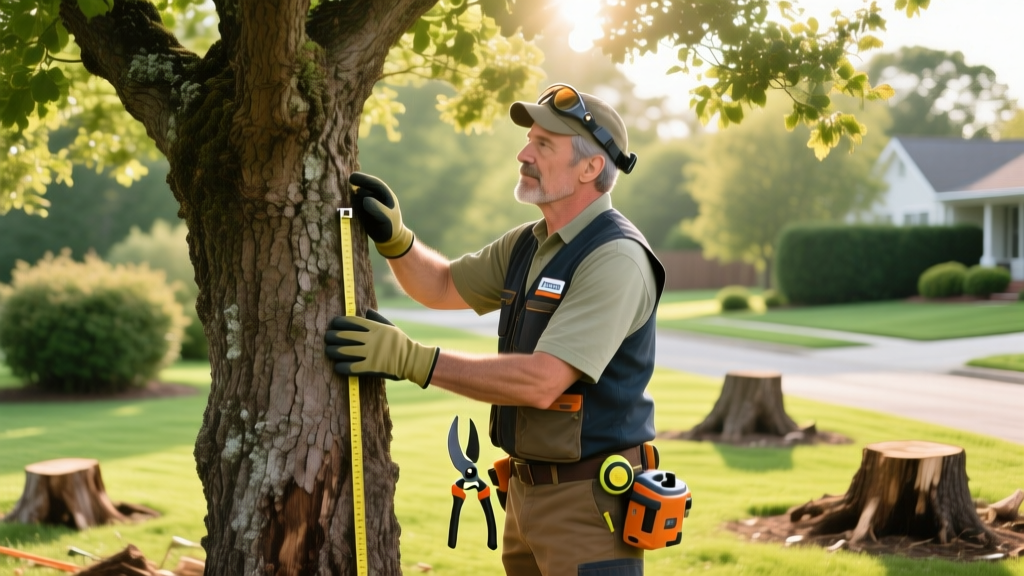
How Many Trees Are Cut Down Every Year? Removal Costs & Insurance
The Macro View: How Many Trees Are Cut Down Every Year?
When homeowners ask, "how many trees are cut down every year," the answer requires looking at both global deforestation and local urban forestry data. According to comprehensive data published in the journal Nature and tracked by the Food and Agriculture Organization (FAO), approximately 15 billion trees are felled globally each year. While the vast majority of this number is driven by commercial agriculture, logging, and urban expansion in developing regions, residential and municipal tree removal accounts for a highly regulated, multi-billion-dollar micro-economy in the United States.
🌳 Global vs. Residential Data Snapshot:
- Global Annual Loss: ~15 billion trees (commercial, agricultural, and residential combined).
- U.S. Urban Canopy Loss: The USDA Forest Service estimates that U.S. urban areas lose roughly 36 million trees annually to disease, storms, and development.
- Residential Removal Rate: The average U.S. homeowner removes 1 to 2 trees per decade, usually driven by safety hazards, disease, or hardscaping projects.
Understanding these macro statistics highlights a critical reality for homeowners: as urban canopies shrink, municipal governments are enacting stricter tree preservation ordinances. This directly impacts your local permit costs, potential fines, and the overall price of removing a tree from your yard.
2026 Homeowner Tree Removal Cost Guide
The cost to cut down a tree is not a flat fee; it is a highly variable calculation based on height, species density, proximity to structures, and equipment access. Below is a detailed breakdown of current market rates for professional residential tree removal.
| Tree Height | Healthy / Alive | Dead / Hazardous | Equipment Required |
|---|---|---|---|
| Small (Under 30 ft) | $150 – $450 | $250 – $600 | Chainsaw, manual rigging |
| Medium (30 – 60 ft) | $450 – $1,200 | $800 – $1,800 | Bucket truck, sectional rigging |
| Large (60 – 100 ft) | $1,200 – $2,500 | $2,000 – $4,500+ | Crane, heavy-duty rigging |
Hidden Cost Variables to Budget For
When requesting quotes from ISA-certified arborists, ensure the following line items are explicitly addressed in your contract:
- Stump Grinding: Typically charged at $3 to $5 per inch of stump diameter. A 24-inch oak stump will add $72 to $120 to your final bill.
- Crane Rental: If your tree is located in a confined backyard where a bucket truck cannot reach, a mobile crane is required. Expect to pay $800 to $1,500 per day for crane mobilization and operation.
- Debris Hauling: Some budget quotes exclude wood chipping and hauling. Full cleanup and off-site disposal usually add $150 to $300.
- Wood Milling: If you want to keep the lumber for furniture, specialized portable sawmill services cost $100 to $150 per hour.
Does Homeowners Insurance Cover Tree Removal?
One of the most common financial questions regarding tree cutting is whether insurance will foot the bill. Under a standard HO-3 homeowners insurance policy, coverage for tree removal is strictly limited to specific "named perils" and structural damage scenarios.
✅ When Insurance COVERS Removal
- Structural Damage: A tree falls on your house, detached garage, or fence due to wind, lightning, or hail.
- Driveway Blockage: A fallen tree completely blocks a paved driveway or an ADA-compliant wheelchair ramp.
- Neighbor's Property: Your healthy tree falls onto a neighbor's insured structure (their insurance typically pays, but liability may shift if you knew the tree was dead).
Typical Coverage Limit: $500 to $1,000 maximum per occurrence for debris removal.
❌ When Insurance DENIES Removal
- Preventative Cutting: Removing a living tree because you fear it might fall in a future storm.
- Disease or Rot: Cutting down a tree that died from fungal infection, emerald ash borer, or root rot.
- Landscaping Projects: Clearing trees to build a pool, patio, or home addition.
- Utility Line Interference: Trimming or removing trees that are growing into power lines (this is the utility company's responsibility).
Result: 100% out-of-pocket expense for the homeowner.
Municipal Permits and Heritage Tree Fines
Before you authorize an arborist to cut down a tree on your private property, you must verify local municipal codes. Many cities have implemented strict "Heritage Tree" or "Oak Tree" ordinances to combat the loss of urban canopies. Cutting down a protected species without a permit can result in severe financial penalties.
"In municipalities with strict canopy preservation laws, unauthorized removal of a protected heritage oak or native redwood can result in fines ranging from $5,000 to over $10,000 per tree, plus mandatory replanting fees. Always check with your local city arborist or zoning office before scheduling a removal."
Step-by-Step: Calculating Your Total Project Cost
To accurately budget for a residential tree removal project, follow this financial checklist:
- Identify the Species and Status: Determine if the tree is protected by local ordinance or HOA rules. If it is dead, document it with photos for potential insurance claims.
- Measure the Diameter at Breast Height (DBH): Measure the trunk width 4.5 feet off the ground. This metric is used by arborists to estimate stump grinding costs and by city officials to determine permit requirements.
- Assess the Drop Zone: Is there a clear path for a bucket truck? If the tree is fenced in, add $800+ for crane mobilization to your budget.
- Request Three ISA-Certified Quotes: Ensure each quote includes liability insurance verification, stump grinding, and debris hauling. Never hire an uninsured "tree lopper," as you will be liable for any property damage or worker injuries.
- Factor in Replanting: Many local permits require a 1:1 or 2:1 replanting ratio. Budget $200 to $600 for purchasing and planting a mature 15-gallon replacement tree.
Frequently Asked Questions
Is it cheaper to cut down a tree in the winter?
Yes. Winter is the dormant season for most trees and the off-season for arborists. Many tree care companies offer 10% to 20% discounts between December and February because the ground is frozen (protecting your lawn from heavy equipment damage) and demand is lower.
Can I cut down a tree myself to save money?
While DIY removal saves the $500–$2,500 labor cost, it introduces massive liability. If a DIY felling damages a neighbor's roof or severs a buried fiber-optic cable, the repair costs will vastly exceed professional removal fees. Furthermore, homeowner insurance rarely covers injuries sustained while performing high-risk manual labor like chainsaw felling.
How does global deforestation affect my local lumber costs?
The 15 billion trees lost globally each year primarily impact commercial timber markets, driving up the cost of framing lumber and hardwood flooring. However, the residential tree removal market is entirely localized; your costs are dictated by regional labor rates, local insurance requirements, and municipal disposal fees rather than global timber scarcity.