
Tree Care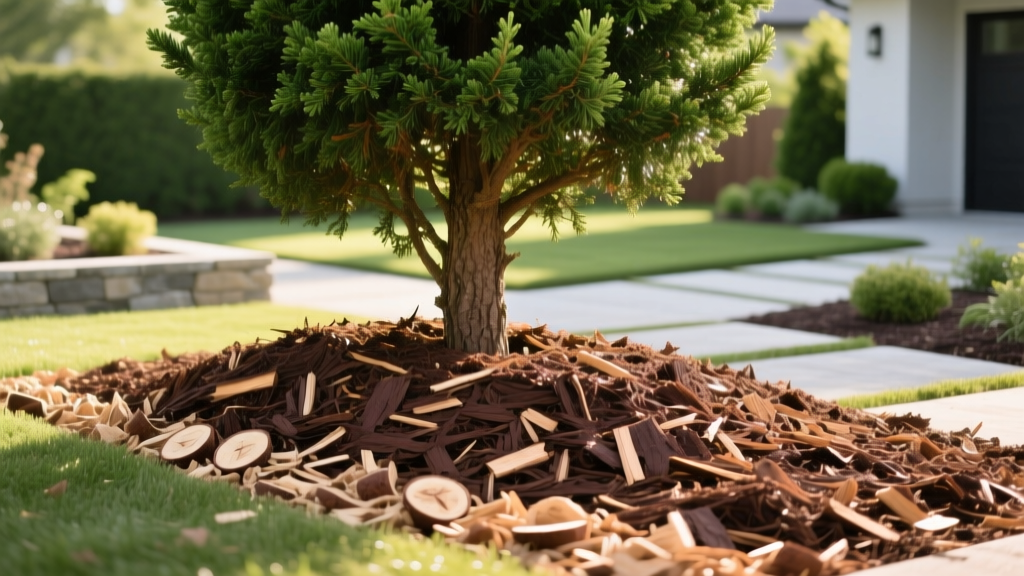
Best Mulch for Arborvitae: Types, Depth, and Application Guide
The Root of the Problem: Why Arborvitae Need Specialized Mulching
Arborvitae (Thuja occidentalis and Thuja plicata) possess dense, fibrous, and exceptionally shallow root systems. Unlike deep-taproot trees like oaks, the vast majority of an arborvitae's feeder roots reside in the top 12 to 18 inches of soil. This biological reality makes them highly susceptible to moisture fluctuations, soil compaction, and temperature extremes. Selecting the right mulch for arborvitae is not merely an aesthetic choice; it is a critical physiological intervention required to maintain the hydraulic conductivity of these shallow roots.
When applied correctly, mulch moderates soil temperature, suppresses competing weeds that steal nitrogen, and reduces evaporation. However, the wrong material or improper application depth will suffocate the lenticels (pores) on the lower trunk and shallow roots, creating an anaerobic environment that invites Phytophthora root rot. According to the Morton Arboretum, improper mulching is one of the leading preventable causes of urban and suburban tree decline.
⚠️ WARNING: The 'Mulch Volcano' Death Trap
Piling mulch against the trunk of an arborvitae (creating a 'volcano') keeps the bark constantly wet. This softens the cambium layer, invites fungal cankers, and encourages girdling roots to grow into the mulch rather than the soil. Always maintain a strict 3-to-6-inch bare-soil buffer around the main trunk.
Material Selection Matrix: What to Use and What to Avoid
Not all organic matter is created equal. The carbon-to-nitrogen (C:N) ratio of your chosen mulch dictates whether it will feed your soil or starve it. Fresh materials with high C:N ratios (above 400:1) cause soil microbes to consume all available nitrogen to break down the carbon, resulting in severe chlorosis (yellowing) in your arborvitae. Below is a comparative analysis of the best mulch for arborvitae based on 2026 horticultural standards.
| Mulch Material | C:N Ratio | Moisture Retention | Est. Cost (Per Cu. Yard) | Verdict |
|---|---|---|---|---|
| Aged Pine Bark Fines | 200:1 | High | $38 - $48 | Best overall. Lowers pH slightly, excellent aeration. |
| Shredded Cedar | 250:1 | Medium-High | $45 - $60 | Excellent. Natural rot resistance, interlocks to prevent washing. |
| Pine Needles (Straw) | 300:1 | Medium | $25 - $40 | Good. Allows water penetration, but blows away in high wind. |
| Fresh Arborist Woodchips | 400+:1 | High | Free - $15 | Avoid unless aged 6+ months. Causes nitrogen tie-up. |
| Dyed Hardwood Mulch | Variable | Medium | $35 - $45 | Avoid. Dyes can contain heavy metals; often made from pallets. |
The Case for Pine Bark and Cedar
Arborvitae thrive in slightly acidic to neutral soil (pH 6.0 to 7.0). Aged pine bark fines naturally leach mild tannic and humic acids as they decompose, which helps buffer alkaline soils commonly found in new construction zones. Shredded cedar, while slightly more expensive, contains natural thujaplicins (the same compounds that protect the arborvitae itself from rot), making it highly resistant to fungal decomposition and artillery fungus (Sphaerobolus stellatus), which frequently plagues cheaper hardwood mulches and stains nearby siding.
Step-by-Step Arborvitae Mulching Protocol
Follow this exact sequence to ensure optimal root zone conditions. This protocol applies to both newly planted specimens and established hedges.
- Clear the Competitors: Remove all turfgrass and weeds in a radius extending from the trunk to the drip line (the outer edge of the foliage). For a standard 'Emerald Green' arborvitae, this is typically a 2.5-foot radius. For larger 'Green Giant' cultivars, extend to 4 feet.
- Cultivate the Interface: If the soil is compacted, use a hand fork to gently aerate the top 2 inches of soil. Do not use a rototiller, which will sever the critical shallow feeder roots.
- Establish the Buffer Zone: Mark a 4-inch circle directly around the main trunk. No mulch should cross this line.
- Apply the Material: Spread your chosen mulch evenly to a depth of exactly 2 to 3 inches. According to the UMass Extension Landscape, Nursery, and Urban Forestry Program, exceeding 3 inches of fine-textured mulch drastically reduces soil oxygen levels, leading to root asphyxiation.
- Feather the Edges: Taper the outer edge of the mulch ring down to the bare soil level to prevent water runoff and create a natural aesthetic.
Soil Amendment Synergies: Pairing Mulch with pH Adjustments
Mulch does not operate in a vacuum. If your soil pH is outside the 6.0–7.0 range, the arborvitae will be unable to uptake essential micronutrients like iron and manganese, regardless of how much mulch you apply. Before laying down new mulch, conduct a core soil test at a depth of 6 inches.
💡 Pro Tip: Correcting Alkaline Soil Under Mulch
If your soil test reveals a pH above 7.2 (common in areas with limestone bedrock or concrete runoff), apply pelletized elemental sulfur at a rate of 1.5 pounds per 100 square feet before mulching. The microbial breakdown of the sulfur beneath the mulch layer will safely lower the pH by approximately 0.5 units over 6 to 8 months, unlocking trapped iron and preventing the foliage from turning pale yellow.
Troubleshooting Common Arborvitae Mulch Failures
Even with the best intentions, environmental factors can cause mulch-related issues. Use this diagnostic framework to identify and correct problems in the root zone.
| Symptom | Probable Cause | Corrective Action |
|---|---|---|
| Inner foliage browning and dropping prematurely; sour, swampy smell near soil. | Anaerobic soil conditions caused by mulch applied deeper than 4 inches, or use of water-logged, poorly composted leaf mold. | Rake mulch back to 2 inches. Aerate soil with a hand fork. Allow the root flare to dry for 48 hours before replacing with coarse cedar chips. |
| Foliage turning pale green/yellow starting at the tips; stunted new growth. | Nitrogen tie-up from applying fresh, unaged wood chips or sawdust with a C:N ratio exceeding 400:1. | Apply a fast-acting liquid nitrogen fertilizer (like 28-0-0 UAN) directly to the soil surface, then top-dress with a half-inch of compost to reintroduce microbial balance. |
| Small, yellowish-brown 'bullets' appearing on the mulch and lower trunk. | Artillery fungus (Sphaerobolus) fruiting bodies, almost exclusively found in cheap, shredded hardwood mulches. | Remove the infected mulch layer entirely. Replace with 100% pure cedar or pine bark, which lacks the specific cellulose profile this fungus requires to fruit. |
Sourcing and Cost Expectations for 2026
When budgeting for a large arborvitae privacy screen, bulk purchasing is vastly more economical than bagged retail products. A standard cubic yard of mulch covers approximately 100 square feet at a 3-inch depth. As of 2026, bulk aged pine bark fines typically range from $38 to $48 per cubic yard delivered, while premium shredded cedar commands $45 to $60 per yard. Bagged equivalents (which equate to roughly $90 to $120 per cubic yard) should only be used for small touch-ups or container-grown dwarf arborvitae cultivars like 'Danica' or 'Hetz Midget'.
Always inspect bulk deliveries before spreading. The mulch should smell earthy and rich, like a forest floor. If it smells like ammonia, vinegar, or sulfur, it has undergone anaerobic decomposition during storage and will release toxic acetic acid that can burn arborvitae roots within 24 hours. If you encounter 'sour' mulch, spread it out in a thin layer on a driveway for three to five days to allow the toxic gases to off-gas before applying it to your landscape.

