Tree Care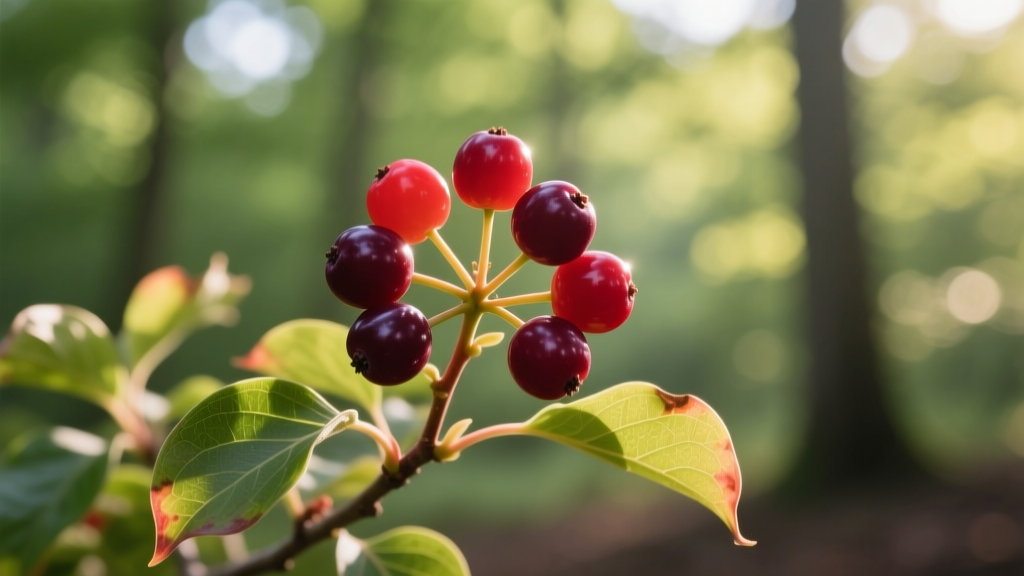
Are Dogwood Berries Edible? A Practical Guide to Kousa Foraging
The short answer to whether dogwood berries are edible is yes, but with a massive botanical caveat. The edibility, flavor profile, and culinary value of dogwood fruit depend entirely on the specific species growing in your yard. While the native North American flowering dogwood produces berries that are technically non-lethal but unpalatable to humans, the Asian Kousa dogwood yields a highly prized, sweet fruit that foragers and chefs actively seek out.
This guide provides a practical, step-by-step framework for identifying edible dogwood species, harvesting the fruit at peak ripeness, processing the notoriously gritty seeds, and avoiding dangerous toxic lookalikes in suburban landscaping beds.
The Tale of Two Dogwoods: Kousa vs. Native Flowering
Homeowners often confuse the two most common ornamental dogwoods planted in USDA Hardiness Zones 5 through 8. Misidentifying them is the primary reason people mistakenly conclude that all dogwood berries taste terrible.
| Feature | Kousa Dogwood (Cornus kousa) | Native Flowering Dogwood (Cornus florida) |
|---|---|---|
| Fruit Appearance | 1-inch spherical, bumpy, raspberry-like syncarp | 0.5-inch smooth, glossy red drupes in tight clusters |
| Flavor Profile | Sweet, tropical (mango/persimmon notes), high Brix | Highly astringent, bitter, high tannin content |
| Culinary Use | Jams, jellies, fruit leather, raw consumption | None (strictly ornamental and bird forage) |
| Bark Characteristics | Exfoliating, jigsaw-puzzle pattern (tan/gray) | Rough, blocky, alligator-hide texture (dark gray) |
| Bract Blooming Time | Late spring (after leaves emerge) | Early spring (before leaves emerge) |
According to the Morton Arboretum, Cornus kousa is increasingly favored in urban landscaping due to its superior resistance to dogwood anthracnose and powdery mildew, meaning your chances of encountering an edible Kousa dogwood in modern suburban developments are higher than ever.
Step-by-Step Identification: Spotting Edible Kousa Berries
Before harvesting, you must positively identify Cornus kousa. Do not rely solely on the presence of red fruit, as many toxic shrubs share this trait. Verify the following botanical markers:
- The Fruit Structure: Kousa fruit is not a true berry; it is a syncarp (a fused cluster of smaller fruits). It resembles a lychee or a bumpy, spherical raspberry, typically measuring 0.75 to 1.25 inches in diameter.
- The Stem Attachment: The fruit hangs downward on a slender, 1.5-inch peduncle (stem), giving it a distinct dangling appearance compared to native dogwood berries, which sit tightly against the branch.
- Leaf Arrangement: Leaves are simple, ovate, and arranged oppositely on the stem, with distinct parallel veining curving toward the leaf margin.
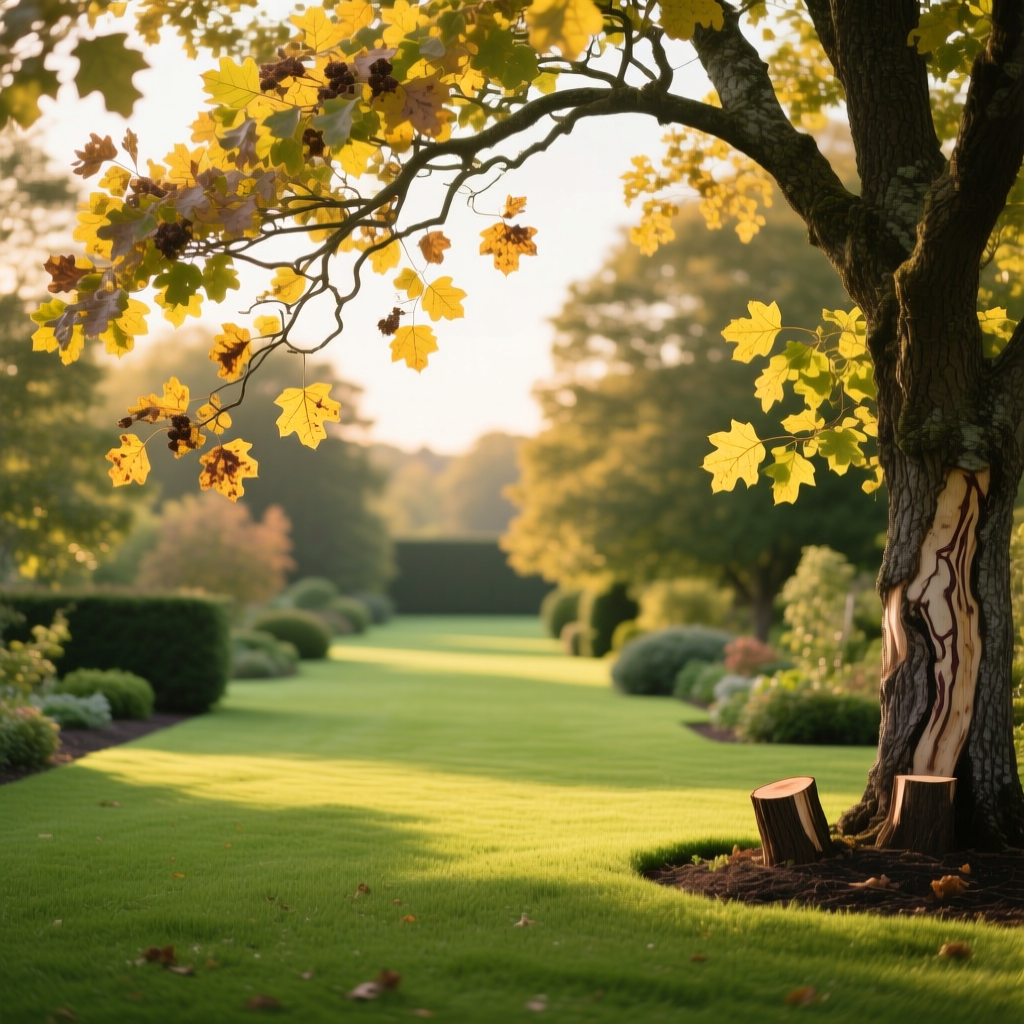
- Bark Verification: Mature Kousa dogwoods (10+ years) develop a striking exfoliating bark that peels away in irregular patches, revealing a mosaic of tan, gray, and mahogany beneath.
Harvesting Protocol: When and How to Pick
Timing is the single most critical factor in Kousa dogwood foraging. Picked too early, the fruit is starchy and astringent. Picked too late, it drops to the ground and ferments or is consumed by cedar waxwings and robins.
The Ripeness Indicators
Harvest season typically falls between late September and mid-October, depending on your local microclimate. Use this three-point checklist to determine peak ripeness:
- Color Shift: The fruit transitions from hard and green to pale yellow, then to a deep, uniform rose or reddish-purple. Green patches indicate unripe starches.
- The Squeeze Test: Gently squeeze the fruit. It should yield slightly to pressure, similar to a ripe avocado or peach. If it feels rock-hard, leave it on the branch.
- Detachment Ease: Ripe Kousa berries will detach from their peduncle with a gentle, twisting pull. If you have to yank hard, the fruit is not fully ripe.
Forager's Tip: A mature, 15-foot Kousa dogwood can yield between 10 and 25 pounds of fruit in a single season. Because the fruit ripens unevenly over a 3-week window, plan to harvest every 3 to 4 days, selectively picking only the soft, deeply colored specimens.
Preparation and Processing: From Branch to Jar
The primary culinary hurdle with Kousa dogwood fruit is the seed structure. Inside the sweet, creamy flesh are numerous hard, angular, fibrous seeds that are unpleasant to chew and can damage teeth. You must separate the flesh from the seeds before cooking.
Method 1: Raw Consumption (The Spitting Method)
If eating the fruit fresh, simply bite into the skin, suck the sweet pulp away from the seeds, and spit the seeds out. The skin is slightly bitter and leathery; many foragers prefer to peel the skin back or squeeze the inner pulp directly into their mouths, discarding the skin and seeds entirely.
Method 2: Kousa Dogwood Jam (Bulk Processing)
Kousa fruit is naturally very high in pectin, meaning you do not need to add commercial pectin to achieve a firm gel set. Here is the most efficient processing workflow for making jam:
- Wash and Sort: Rinse 4 pounds of harvested fruit in cold water. Discard any fruit with broken skin showing signs of mold or insect damage.
- Thermal Breakdown: Place the whole fruit in a heavy-bottomed stockpot with 1 cup of water. Bring to a simmer, cover, and cook for 15 minutes until the fruit is completely mushy and the skins have burst.
- Mechanical Separation: Pass the cooked mixture through a Foley food mill or a heavy-duty stainless steel chinois (fine-mesh strainer). Use a wooden pestle to force the pulp through while trapping the hard seeds and leathery skins above.
- The Gel Set: Measure the resulting seedless puree. For every 4 cups of puree, add 3 cups of granulated sugar and 2 tablespoons of fresh lemon juice (to balance the pH for safe water-bath canning).
- Boil and Can: Bring the mixture to a hard rolling boil (220°F at sea level) until it passes the sheet test off a cold metal spoon. Ladle into sterilized half-pint mason jars, leaving 1/4-inch headspace, and process in a boiling water bath for 10 minutes.
Urban Foraging Safety & Toxic Lookalikes
Foraging in suburban and urban environments requires strict adherence to safety protocols regarding chemical exposure and botanical misidentification.
WARNING: The Nandina Lookalike
The most dangerous point of confusion for beginner foragers is mistaking Nandina domestica (Heavenly Bamboo) for a dogwood. Nandina is a common landscaping shrub that produces clusters of smooth, bright red berries in autumn. According to the NC State Extension, Nandina berries contain cyanogenic glycosides, which release hydrogen cyanide when chewed and digested. These berries are highly toxic to humans and notoriously fatal to cedar waxwings that gorge on them. Nandina has compound, bamboo-like leaves, whereas dogwoods have simple, broad leaves. Never consume a red berry from a shrub without verifying the leaf structure and bark.
The most dangerous point of confusion for beginner foragers is mistaking Nandina domestica (Heavenly Bamboo) for a dogwood. Nandina is a common landscaping shrub that produces clusters of smooth, bright red berries in autumn. According to the NC State Extension, Nandina berries contain cyanogenic glycosides, which release hydrogen cyanide when chewed and digested. These berries are highly toxic to humans and notoriously fatal to cedar waxwings that gorge on them. Nandina has compound, bamboo-like leaves, whereas dogwoods have simple, broad leaves. Never consume a red berry from a shrub without verifying the leaf structure and bark.
The 50-Foot Roadway Rule
Trees planted in the municipal right-of-way (the strip of grass between the sidewalk and the street) are subject to heavy metal accumulation from decades of vehicular exhaust and brake dust. Lead and cadmium can accumulate in the soil and translocate into fruit. Only harvest Kousa dogwood berries from trees located at least 50 feet away from high-traffic roadways, and always wash the fruit thoroughly in a dilute baking soda solution (1 teaspoon per quart of water) to remove surface particulate matter.
Pesticide Verification
Because Kousa dogwoods are often planted as high-end ornamentals in managed landscapes, they may have been treated with systemic neonicotinoid insecticides to prevent borers. Before foraging on private or commercial property, you must obtain explicit permission and verify the tree's chemical treatment history with the property manager or landscaping contractor for the current growing season.
By mastering the botanical distinctions between Cornus kousa and its native cousins, you can unlock a reliable, zero-cost source of high-pectin, tropical-flavored fruit right in your local neighborhood. For more detailed botanical profiles and regional growing data, consult the NC State University Plant Database before your next autumn harvest.