
Tree Care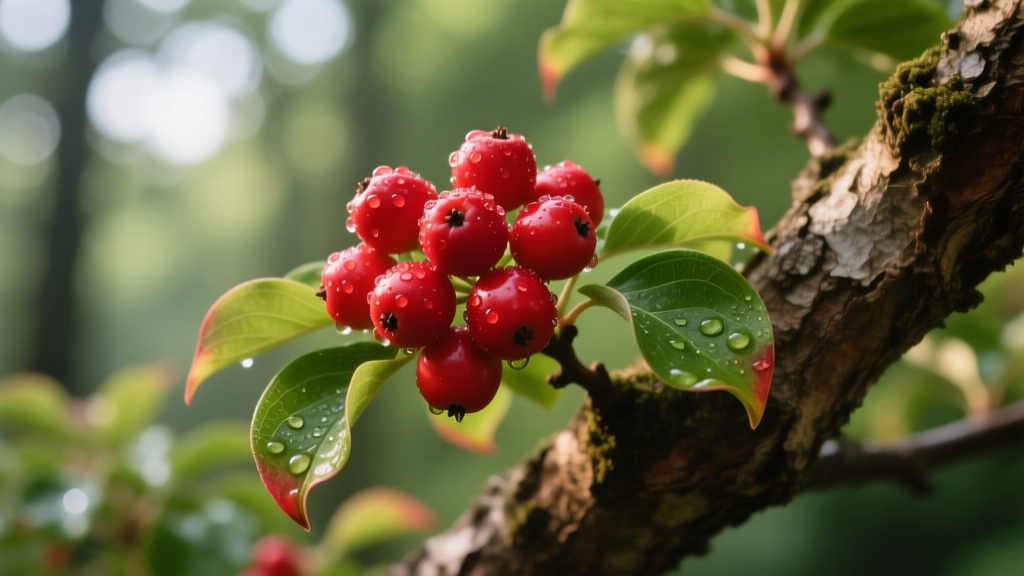
Asian Dogwood Berries: Edibility, Harvesting, and Tree Care
The Botanical Truth: Are Asian Dogwood Berries Actually Berries?
When homeowners spot the striking, raspberry-like fruits hanging from their Cornus kousa trees in late summer, the first question is almost always about edibility. While commonly referred to as Asian dogwood berries, these fruits are botanically classified as syncarps—a fleshy, fused cluster of multiple ovaries. Unlike true berries, which develop from a single ovary, the Kousa dogwood syncarp forms from the fusion of several small drupes, giving it a distinct, bumpy exterior that resembles a lychee or a large raspberry.
Native to East Asia (China, Japan, and Korea), the Kousa dogwood thrives in USDA Hardiness Zones 5 through 8. Beyond its ornamental value, this tree produces a surprisingly abundant and edible fruit crop, provided you know how to harvest and process it correctly. According to the NC State Extension Plant Database, the tree's delayed blooming period (typically June, compared to April for native dogwoods) not only protects its floral bracts from late spring frosts but also shifts its fruiting window to late summer and early fall.
Kousa vs. Native Dogwood: Fruit and Tree Comparison
Beginners often confuse the Asian dogwood (*Cornus kousa*) with the native flowering dogwood (*Cornus florida*). While both produce red autumn fruits, their structures, flavors, and disease profiles differ drastically. Use this comparison matrix to accurately identify your tree before harvesting.
| Feature | Asian Dogwood (*Cornus kousa*) | Native Flowering Dogwood (*Cornus florida*) |
|---|---|---|
| Fruit Structure | Single, bumpy syncarp (1 to 1.5 inches wide) | Tight clusters of smooth, individual drupes |
| Fruit Skin | Thick, slightly tough, peels away easily | Thin, delicate skin |
| Edibility | Highly edible (sweet, tropical flavor) | Astringent, bitter, generally considered inedible |
| Bloom Time | Late spring (May/June), after leaves emerge | Early spring (April), before leaves emerge |
| Disease Resistance | Highly resistant to dogwood anthracnose and powdery mildew | Highly susceptible to anthracnose and borer damage |
Are Asian Dogwood Berries Edible? Taste and Safety
Yes, Asian dogwood berries are entirely safe for human consumption and are prized in foraging communities. The pulp inside the bumpy skin has a sweet, creamy texture with flavor notes often described as a cross between a ripe mango, banana, and persimmon. However, there is a structural catch that deters many first-time tasters: sclereids.
Texture Warning: The Grit Factor
The flesh of the Kousa dogwood fruit contains sclereids (stone cells), the same compound that gives pears their slightly gritty texture, but concentrated. If you bite directly into the raw fruit, the mouthfeel can be unpleasantly sandy. Furthermore, the skin is tough and slightly bitter, and the interior contains several hard, inedible seeds. Proper processing is mandatory to enjoy the flavor without the grit.
Step-by-Step Harvesting and Processing Guide
Harvesting Asian dogwood berries requires patience. The fruits transition from hard and green in July to pink in August, finally reaching a deep, squishy red in September or October. Only harvest fruits that are fully soft to the touch and easily detach from the stem.
- Harvest by Hand: Gently twist the ripe syncarps from the branches. Avoid pulling hard, as the fleshy stems can damage the tree's fruiting spurs for the following year.
- Wash and Sanitize: Rinse the harvested fruits in a colander under cold running water. Because they grow close to the ground on lower branches, they may be splashed with soil-borne pathogens.
- Remove the Skin: Pinch the base of the fruit and squeeze. The sweet, orange-red pulp will extrude through the top, leaving the tough, bitter skin behind. Discard the skins.
- Strain the Seeds and Grit: Pass the extruded pulp through a fine-mesh food mill or a standard kitchen sieve. Use a silicone spatula to press the pulp through, leaving the hard seeds and the majority of the gritty sclereids trapped in the mesh.
- Culinary Application: The resulting smooth puree can be eaten raw, blended into smoothies, or cooked down with a 1:1 ratio of sugar and a splash of lemon juice to create a vibrant, tropical-tasting dogwood jam.
Tree Care Protocol for Maximum Fruit Yield
A healthy Kousa dogwood will produce dozens of pounds of fruit annually once it reaches maturity (typically 7 to 10 years of age). To ensure robust flowering and subsequent fruiting, follow these specific maintenance parameters outlined by the Clemson University Home and Garden Information Center:
- Soil pH and Composition: Kousa dogwoods require acidic, well-draining soil with a pH between 5.5 and 6.5. Test your soil annually. If the pH is above 7.0, apply elemental sulfur at a rate of 1 pound per 100 square feet to lower it.
- Mulching Strategy: Apply a 2-to-3-inch layer of organic pine bark or wood chip mulch extending out to the tree's drip line. Critical: Keep the mulch at least 3 inches away from the main trunk to prevent collar rot and rodent gnawing.
- Fertilization: Established trees rarely need heavy feeding. If a soil test indicates a nutrient deficiency, apply a balanced 10-10-10 or 12-4-8 granular fertilizer in early March. Use exactly 1/2 cup of fertilizer per inch of trunk diameter (measured at chest height), scattering it evenly under the drip line.
- Irrigation: While more drought-tolerant than native dogwoods, Kousa trees require 1 inch of water per week during the summer fruit-development phase. Use a soaker hose rather than overhead sprinklers to keep the foliage dry and prevent fungal diseases.
Troubleshooting Poor Fruit Production
If your Asian dogwood blooms heavily in June but drops its immature green fruits in August, or fails to produce fruit entirely, consult this diagnostic framework:
| Symptom | Probable Cause | Actionable Fix |
|---|---|---|
| Tree flowers, but no green fruit forms | Lack of pollination or late spring frost damage to floral bracts | Plant pollinator-friendly companion shrubs; avoid pruning in early spring which can remove developing flower buds. |
| Small green fruits shrivel and drop in July | Summer drought stress; the tree aborts fruit to conserve water | Implement deep, weekly watering (1 inch) during dry spells; expand the mulch ring to retain soil moisture. |
| Mature red fruits are hollowed out or missing | Wildlife foraging (birds, squirrels) or dogwood borer (*Synanthedon scitula*) | Harvest promptly when soft; inspect trunk for sawdust-like frass and apply protective trunk wraps if borers are present. |
| Tree fails to bloom or fruit after 5+ years | Excessive nitrogen fertilizer or deep shade | Stop using high-nitrogen lawn fertilizers near the root zone; selectively prune overhead canopy trees to allow dappled sunlight. |
Frequently Asked Questions
Are Asian dogwood berries toxic to dogs or cats?
No, the fruits of the *Cornus kousa* are non-toxic to dogs, cats, and horses. However, the hard seeds can pose a choking hazard or cause intestinal blockages in small dogs if ingested in large quantities. It is best to rake up fallen, rotting fruits from the lawn to prevent pets from eating fermented, sugar-rich pulp which can cause mild gastrointestinal upset.
Can I plant the seeds from the berries to grow a new tree?
Yes, but Kousa dogwood seeds require a process called cold stratification to break dormancy. Extract the seeds from the fresh pulp, clean them thoroughly, and place them in a sealed plastic bag with moist peat moss. Store the bag in your refrigerator (between 35°F and 40°F) for 90 to 120 days before sowing them outdoors in the spring. Note that seed-grown trees may take up to 10 years to flower and fruit, and their traits will not be exact clones of the parent tree.
Why is the skin of my Kousa dogwood fruit brown and scabby?
Brown, corky scabs on the fruit skin are typically a symptom of powdery mildew (*Erysiphe pulchra*) or minor physical scarring from wind rubbing against branches. While Kousa dogwoods are highly resistant to the fatal anthracnose that plagues native dogwoods, they can still contract cosmetic powdery mildew in humid, stagnant air. Improve air circulation by pruning out crossing interior branches during the late winter dormancy period.

