Tree Care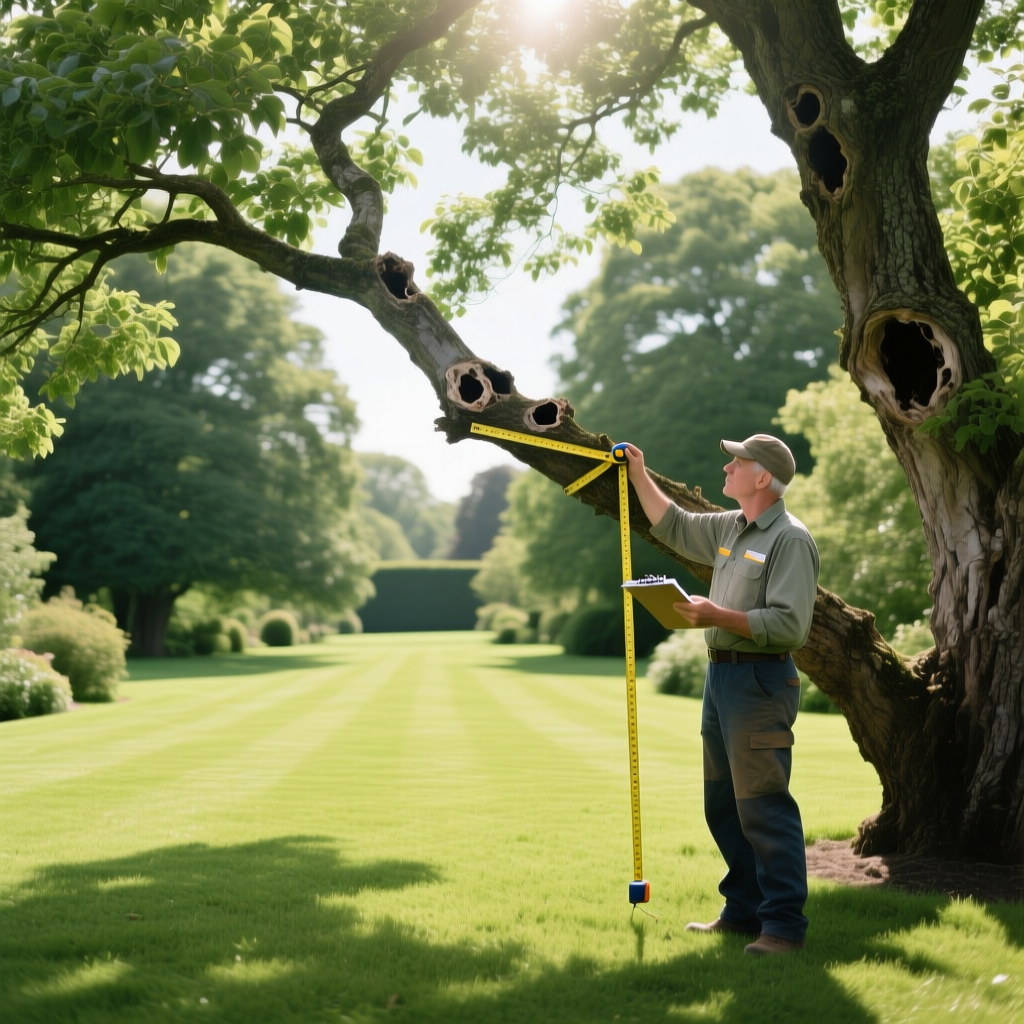
Assess Tree Risk & Prevent Hazardous Limb Failure: A Complete Guide
Anna KowalskiPublished
Every homeowner with mature trees on their property carries a responsibility that extends far beyond aesthetics and shade. Trees are living organisms that change continuously, and their structural integrity can shift dramatically over time due to disease, weather damage, age, and environmental stress. Hazardous limb failure — the sudden breaking and falling of tree branches — poses a serious threat to people, vehicles, structures, and power lines. Understanding how to assess tree risk and take proactive measures to prevent catastrophic limb failure is one of the most important aspects of responsible property ownership.
Whether you manage a sprawling estate or a modest suburban yard, the ability to identify warning signs of structural weakness in your trees can save you from costly damage, legal liability, and potential injury. This comprehensive guide walks you through the essential knowledge you need to evaluate tree risk, recognize dangerous conditions, implement effective pruning strategies, manage diseases that compromise wood strength, and adapt your tree care routine to seasonal demands. For additional guidance on maintaining a healthy landscape, explore our lawn care guides and discover how integrated yard management protects your entire outdoor space.
Understanding Tree Risk Assessment: Identifying Dangerous Limbs Before They Fall
Tree risk assessment is a systematic process of evaluating the likelihood that a tree or its parts will fail and cause damage to a target — anything of value that could be struck by falling wood. Professional arborists use standardized frameworks to categorize risk levels, but homeowners can develop a trained eye for the most common indicators of hazardous conditions. The goal is not to remove every tree that shows imperfection but to identify and mitigate genuine threats before they result in failure.
The Three Components of Tree Risk
Every tree risk evaluation considers three interconnected factors. First, there is the likelihood of failure — how probable is it that a limb or the entire tree will break under normal or storm conditions? Second, there is the size of the failing part — a small twig breaking off presents minimal danger compared to a massive scaffold limb measuring eighteen inches in diameter. Third, there is the target zone — what people, structures, vehicles, or high-traffic areas exist beneath or adjacent to the tree? A compromised limb hanging over an empty field poses far less risk than the same limb suspended above a children's play area or a parked vehicle.
Visual Inspection Techniques for Homeowners
Begin your assessment by examining the tree from a distance, taking in its overall form and lean. Look for asymmetry in the canopy, which may indicate root damage or internal decay on one side. Move closer and study the trunk for visible cavities, cracks, seams, or areas where bark has sloughed off to reveal dead wood beneath. Pay close attention to branch unions — the points where limbs connect to the trunk or to other major branches. V-shaped unions with included bark (bark that grows inward between the branches rather than forming a smooth collar) are significantly weaker than U-shaped unions and are prime candidates for splitting.
Inspect the root zone by examining the ground around the base of the tree. Heaving soil, fungal fruiting bodies (mushrooms) growing near the roots, or exposed roots that show signs of decay all suggest compromised structural support below ground. A tree with failing roots may appear healthy in the canopy while being dangerously unstable at its foundation. For more on maintaining healthy soil conditions that support strong root systems, see our soil health resources.
Risk Categories and Response Levels
Most risk assessment systems classify trees into four categories. Imminent risk means failure is expected within the very near future — typically a large dead or cracked limb that is actively moving or has visible separation from the trunk. These situations demand immediate professional intervention. High risk indicates conditions that make failure likely during the next significant weather event, such as a large dead branch suspended in the canopy or extensive decay at a critical branch union. Moderate risk describes defects that could lead to failure over time or under extreme conditions, warranting scheduled maintenance. Low risk encompasses minor defects that pose little immediate danger but should be monitored during routine inspections.
When to Call a Certified Arborist
While homeowners can perform basic visual inspections, certain situations demand professional evaluation. If a large tree shows signs of significant decay, if you notice sudden leaning or root plate lifting, if major limbs have already failed without obvious cause, or if a compromised tree is positioned where failure could cause serious harm, contact a certified arborist immediately. These professionals have specialized tools — including resistograph drills, sonic tomography, and root inspection equipment — that reveal internal conditions invisible to the naked eye. Investing in a professional assessment is always preferable to the cost and trauma of a preventable tree failure incident.
Strategic Pruning to Reduce Limb Failure Risk
Proper pruning is the single most effective tool for reducing the risk of hazardous limb failure. However, incorrect pruning can actually increase danger by creating large wounds that invite decay or by removing structurally important branches that the tree depends on for balanced growth. Understanding the principles of scientific pruning ensures that every cut you make strengthens the tree rather than weakening it.
Deadwood Removal: The First Priority
Dead, dying, and diseased branches represent the most obvious hazard in any tree canopy. These limbs have lost their structural strength as the wood dries, cracks, and decays. Even relatively small dead branches can cause injury or damage when falling from significant heights. Systematic deadwood removal — often called "deadwooding" — should be a regular component of your tree maintenance program. Focus on removing all dead material larger than two inches in diameter, particularly in trees that overhang structures, walkways, driveways, or gathering areas.
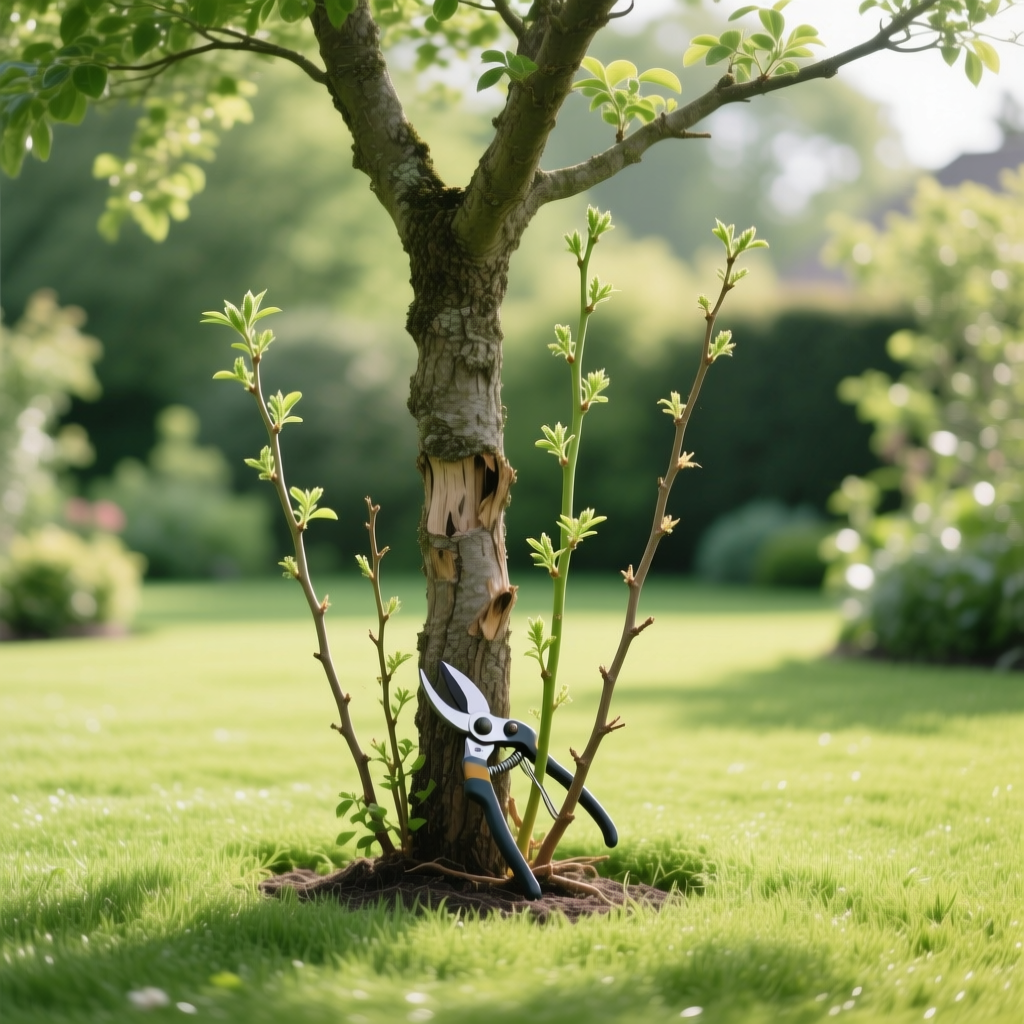
When removing dead limbs, always make clean cuts at the branch collar — the swollen area where the branch meets the trunk or parent branch. Never leave stubs, which cannot be sealed by the tree's natural compartmentalization process and instead become entry points for decay organisms. Similarly, avoid flush cuts that damage the collar and trunk tissue. The branch collar contains specialized chemical boundaries that allow the tree to wall off the wound and prevent rot from spreading into the main trunk. For comprehensive guidance on pruning techniques that support overall landscape health, visit our tree care section.
Crown Thinning and Wind Resistance
A dense, unthinned canopy catches wind like a sail, placing enormous stress on branches and branch unions during storms. Strategic crown thinning — the selective removal of smaller branches throughout the canopy — allows wind to pass through the tree more freely, dramatically reducing the mechanical load on major limbs. The goal is not to strip the tree bare but to create a balanced, open structure that maintains the tree's natural form while improving airflow and light penetration.
As a general guideline, never remove more than twenty-five percent of the live canopy in a single season. Over-thinning stimulates excessive watersprout growth — weakly attached, fast-growing shoots that are themselves prone to failure. Focus your thinning cuts on branches that cross or rub against each other, branches growing inward toward the center of the canopy, and branches with weak attachments. Remove one of any pair of co-dominant leaders (two main trunks competing for dominance) early in the tree's life to prevent the development of structurally weak multiple trunks.
Weight Reduction on Overextended Limbs
Some tree species naturally develop long, heavy horizontal limbs that extend far from the trunk. These overextended limbs are particularly vulnerable to failure, especially when loaded with rain, ice, or snow. Weight reduction pruning involves selectively shortening these limbs by making reduction cuts back to appropriately sized lateral branches. This technique reduces the lever arm effect — the mechanical principle that makes a long, heavy branch far more likely to break at its attachment point than a shorter one of equal diameter.
When making reduction cuts, always cut back to a lateral branch that is at least one-third the diameter of the branch being removed. This ensures that the remaining lateral can adequately assume the terminal role and continue to draw sap through the branch, keeping the wood alive and strong. Avoid topping or heading cuts that remove the ends of branches without cutting back to laterals — these practices create clusters of weakly attached regrowth and large, poorly sealed wounds.
Cable and Brace Systems for High-Value Trees
When a tree has significant structural defects but is too valuable or beloved to remove, supplemental support systems can provide an additional safety margin. Cable systems involve installing flexible steel cables between major limbs to limit their movement during storms, reducing stress on weak branch unions. Brace rods are rigid threaded rods installed through split or cracked branch unions to hold the pieces together. These systems must be designed and installed by qualified arborists and require regular inspection and adjustment as the tree grows. While not a substitute for proper pruning, they can extend the safe life of heritage trees and specimens of particular landscape value.
Diseases and Decay: Hidden Threats to Structural Integrity
Perhaps the most insidious aspect of tree risk is that the most dangerous defects are often invisible. Fungal diseases and wood-decaying organisms can hollow out the interior of trunks and major limbs while the outer shell of living wood and bark appears perfectly healthy. Understanding the common diseases that compromise structural integrity allows you to recognize subtle warning signs and take appropriate action before catastrophic failure occurs.
Heart Rot and Sap Rot
Heart rot fungi attack the central, non-living wood of the trunk and major branches. While heartwood does not transport water or nutrients, it provides critical structural support — much like the steel beam at the center of a building column. When heart rot advances, the tree becomes a hollow shell that may look vigorous while being structurally compromised. Signs of heart rot include conks (shelf-like fungal fruiting bodies) growing on the trunk or branches, cavities or hollow areas visible from the exterior, and a hollow sound when the trunk is tapped with a mallet.
Sap rot (also called white rot or brown rot depending on the specific organisms involved) attacks the living sapwood, which is far more serious because it compromises both the tree's transport system and its structural strength. Trees with extensive sap rot often show canopy dieback — sections of the crown that fail to leaf out or produce undersized, discolored foliage. Any branch showing significant dieback should be considered a potential failure hazard until evaluated by a professional.
Root Rot Diseases
Root rot pathogens such as Armillaria, Phytophthora, and Ganoderma attack the root system, progressively destroying the tree's anchorage and its ability to absorb water and nutrients. Above-ground symptoms include thinning canopy, premature fall color, reduced growth, and dieback starting at the crown. Below ground, the roots become soft, discolored, and unable to grip the soil. Trees with advanced root rot can topple entirely — roots and all — during wind events, often with little warning. The presence of mushrooms at the base of a tree, particularly in clusters, should always trigger a professional root zone inspection.
Preventing root rot begins with proper site management. Avoid compacting soil around established trees, ensure adequate drainage to prevent waterlogged conditions, and never pile mulch or soil against the trunk in a "volcano" formation that traps moisture against the bark. For tips on maintaining healthy soil drainage that protects both trees and turf, check out our lawn drainage guide.
Canker Diseases and Bark Damage
Canker diseases create localized areas of dead tissue on branches and trunks. These dead zones expand over time, girdling and killing everything beyond the affected area. While small cankers on minor branches may pose little risk, large cankers on major scaffold limbs or the main trunk can create critical weak points. Mechanical damage to bark — from lawnmowers, string trimmers, construction equipment, or even animals — creates wounds that serve as entry points for canker organisms and decay fungi. Maintaining a mulched area around the base of trees eliminates the need for close mowing and protects trunks from equipment damage. Learn more about protecting your landscape by reading our weed control strategies, which can help you manage vegetation around tree bases without causing trunk injury.
Bacterial Wetwood and Slime Flux
Bacterial wetwood, also known as slime flux, occurs when bacteria colonize the inner wood of a tree, producing gases and liquids that build up pressure and eventually seep out through cracks or wounds. The dark, foul-smelling liquid that streaks down the bark is unsightly and can damage grass and plants below, but the condition itself is rarely fatal. However, the cracks and wounds that allow the liquid to escape also represent structural weak points. If slime flux is emerging from a large crack in a major limb, that crack should be evaluated for its potential to propagate into a full failure.
Seasonal Tree Care Strategies for Preventing Limb Failure
Tree risk is not static — it fluctuates dramatically with the seasons as environmental conditions shift. A limb that seems secure in dry autumn weather may become dangerously heavy when saturated with spring rain or coated with winter ice. Developing a seasonal care calendar ensures that you address risk factors at the most effective times and prepare your trees for the challenges each season brings.
Spring: Inspection and Active Growth Management
Spring is the ideal time for a thorough tree inspection. As trees leaf out, bare or dead branches become immediately apparent against the backdrop of new green growth. Any branches that fail to produce leaves while the rest of the canopy is in full foliage should be marked for removal. Spring is also the season when the added weight of new leaves and retained rainwater makes previously marginal branches suddenly dangerous.
Complete major pruning of deciduous trees before the full flush of spring growth, while the tree is still dormant or just beginning to break bud. This timing minimizes sap loss and allows the tree to begin sealing pruning wounds immediately as growth accelerates. Avoid heavy pruning of oak species during the active spring growth period in regions where oak wilt is present, as fresh wounds attract the beetles that spread this devastating disease. Keep your surrounding lawn healthy during spring to support the overall landscape ecosystem — our spring lawn care guide offers complementary maintenance tips.
Summer: Storm Preparedness and Canopy Monitoring
Summer brings the greatest concentration of severe weather events — thunderstorms, derechos, hail, and in some regions, hurricanes and tornadoes. Before the storm season arrives, conduct a pre-storm assessment of all trees near structures and high-use areas. Remove identified dead limbs, address any branches with visible cracks or weak unions, and ensure that young or recently planted trees have adequate staking or support if they are still establishing their root systems.
During the summer, monitor your trees after every significant weather event. Look for hanging or broken branches lodged in the canopy — these "widow makers" may not have fallen during the storm but can drop without warning at any time afterward. Also watch for new cracks, splits, or leaning that may have developed during high winds. The added weight of a fully leafed canopy combined with rain absorption can push overloaded limbs past their breaking point, so summer is a critical period for ongoing vigilance.
Autumn: Structural Pruning and Preparation
Once deciduous trees drop their leaves in autumn, their branch structure becomes fully visible for the first time since spring. This bare-branch visibility makes fall an excellent time for structural pruning — the correction of poor branch architecture, removal of crossing or rubbing limbs, and reduction of overextended branches. With the canopy open, you can see defects that were hidden behind foliage all summer.
Autumn is also the time to address any trees that showed signs of stress during the growing season. Deep root fertilization, applied in fall when roots are actively storing nutrients for winter, can help stressed trees recover and build reserves for the following spring. Ensure that trees enter winter with adequate soil moisture — a deep soaking before the ground freezes helps prevent winter desiccation, which weakens wood and increases the risk of breakage. For tips on preparing your entire landscape for colder weather, review our fall lawn care checklist.
Winter: Dormant Pruning and Ice Damage Response
Winter dormancy is the optimal time for major pruning cuts on most deciduous species. Without leaves in the way, arborists can access the canopy more easily, and the tree is not actively growing, which reduces the risk of disease transmission through fresh wounds. Winter pruning also allows you to clearly assess the structural framework of the tree and make informed decisions about which branches to remove or reduce.
Ice storms present one of the most dangerous conditions for tree limb failure. The weight of ice accumulation can multiply the load on a branch by many times its normal weight, causing even healthy limbs to crack and fail. After ice events, resist the urge to shake ice from branches — the sudden release of tension can cause the branch to snap. Instead, allow ice to melt naturally and then inspect for damage. If a limb has bent under ice load but not broken, it may recover once the weight is removed, but any cracked or split limbs should be removed promptly by a qualified professional.
Building a Long-Term Tree Risk Management Plan
Preventing hazardous limb failure is not a one-time project but an ongoing commitment to monitoring, maintenance, and adaptation. Establishing a formal tree risk management plan for your property ensures that no tree is overlooked and that maintenance is performed on an appropriate schedule.
Creating a Tree Inventory
Begin by cataloging every significant tree on your property. Record the species, approximate size, location relative to structures and high-use areas, and any observed defects or health concerns. This inventory becomes your baseline reference for tracking changes over time. A tree that showed minor decay five years ago may have progressed to a serious hazard today — without records, these gradual changes can escape notice.
Scheduling Regular Inspections
Conduct a basic visual inspection of all high-risk trees at least twice per year — once in spring as leaves emerge and once in autumn after leaf drop. Trees with known defects should be inspected more frequently, particularly after severe weather events. Schedule a professional arborist inspection every three to five years for mature trees, or more frequently for trees with documented health issues or those positioned where failure would have severe consequences.
Documenting Maintenance and Observations
Keep detailed records of all pruning work, treatments, and professional assessments performed on each tree. Photograph significant defects and update photos annually to track progression. This documentation serves multiple purposes — it helps you make informed decisions about when a tree has deteriorated beyond the point of reasonable maintenance, it provides evidence of due diligence in the event of a liability claim, and it gives future property owners valuable information about the trees they are inheriting.
Balancing Risk and Tree Value
Not every tree defect requires removal of the entire tree. Mature trees provide enormous ecological, aesthetic, and property value benefits. The goal of risk management is to reduce danger to an acceptable level while preserving these benefits whenever possible. Sometimes this means accepting a moderate level of risk in exchange for the irreplaceable value of a century-old specimen. Other times, the responsible choice is to remove a declining tree and replace it with a vigorous young planting that will serve the landscape for generations to come. For guidance on selecting and establishing new trees, explore our tree planting resources.
Frequently Asked Questions About Tree Risk and Limb Failure Prevention
How can I tell if a tree branch is about to fall?
Several warning signs indicate that a branch is at imminent risk of failure. Look for visible cracks or splits in the branch or at its union with the trunk, particularly if the crack appears fresh or is widening over time. Dead branches that remain attached to the tree — sometimes called "hangers" or "widow makers" — can fall at any moment. Other indicators include branches with significant fungal growth, branches that move independently from the rest of the canopy during wind, and areas where bark has separated from the wood, exposing dry, cracked material beneath. If you observe any of these signs on a branch that overhangs a target area such as a house, driveway, or play space, treat the situation as urgent and arrange for professional removal.
Does tree species affect the risk of limb failure?
Absolutely. Different species have vastly different wood strengths, growth habits, and susceptibility to decay. Trees with inherently weak wood — such as silver maple, Bradford pear, willow, poplar, and boxelder — are more prone to limb failure than species with strong, dense wood like oak and hickory. Trees that naturally develop included bark at branch unions, such as many maples and multi-trunked ornamental species, have structurally weak connections that frequently split as the tree matures. Fast-growing species tend to produce weaker wood than slow-growing species. Understanding the specific characteristics and common failure patterns of the tree species on your property allows you to prioritize inspections and maintenance more effectively.
Can I prune large hazardous limbs myself, or should I hire a professional?
Small dead branches that can be reached from the ground with hand tools are generally safe for homeowners to remove. However, any branch that requires a ladder, chainsaw, or climbing to access should be left to trained arborists. Large limbs store enormous tension energy — when cut incorrectly, they can split unpredictably, causing severe injury to the person cutting them and damaging the tree in the process. Professional arborists have the training, equipment, and insurance to safely remove hazardous limbs using rigging techniques that control the descent of heavy wood. The cost of hiring a professional is almost always less than the cost of an emergency room visit or a damaged roof.
How often should mature trees be inspected for risk?
Mature trees should receive a basic visual inspection by the property owner at least twice per year — in spring and autumn. A comprehensive inspection by a certified arborist is recommended every three to five years for healthy mature trees, and annually or biannually for trees with known defects, disease history, or those in high-consequence locations. Trees that have experienced nearby construction, grade changes, lightning strikes, or significant weather damage should be inspected promptly regardless of the regular schedule. Remember that tree conditions can change rapidly — a tree that passed inspection in spring could develop a critical defect from a summer lightning strike or root damage from nearby excavation.
What should I do if a neighbor's tree poses a risk to my property?
This is a common and sometimes delicate situation. Start by having a respectful conversation with your neighbor, sharing your specific concerns and suggesting a joint consultation with a certified arborist. Many property owners are genuinely unaware that their trees pose a risk and appreciate being informed. If the neighbor is unresponsive or unwilling to act, document the hazard with photographs and written descriptions, and send a polite but formal letter outlining the risk. In most jurisdictions, property owners have a legal duty to address known hazards on their land, and documented notification establishes that they were aware of the danger. If the situation remains unresolved and the risk is significant, consult with a real estate attorney familiar with local tree law. Your local municipal government may also have ordinances addressing hazardous trees that can be enforced through code compliance departments.