
Tree Care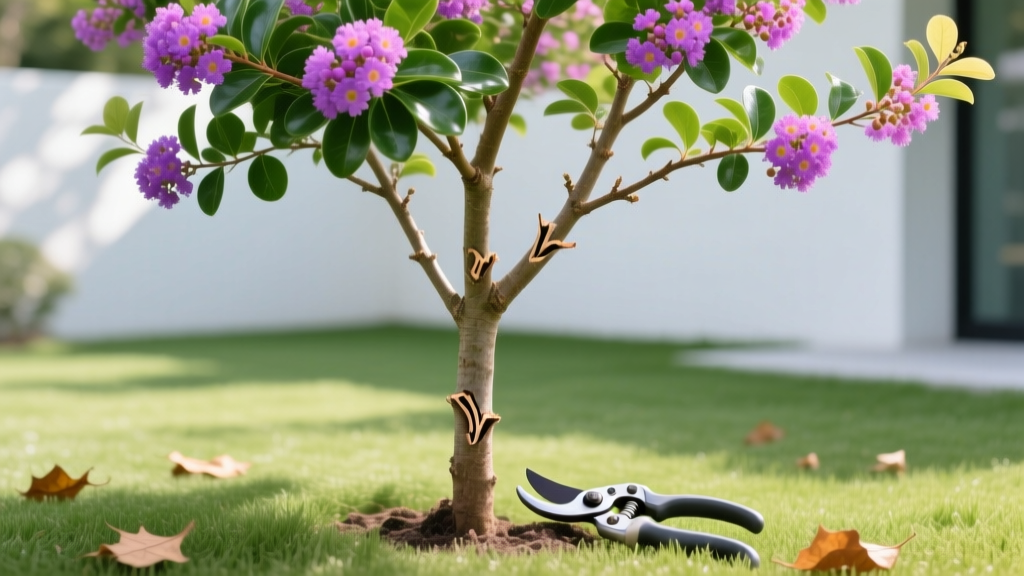
Beginner's Guide to Planting and Pruning a Myrtle Crepe Tree
Why the Myrtle Crepe Tree is a Beginner's Best Friend
While most gardeners and nurseries know it as the crepe myrtle or crape myrtle, searching for a myrtle crepe tree will lead you to the exact same stunning Lagerstroemia species. Renowned for its months-long summer bloom cycle, striking exfoliating bark, and exceptional drought tolerance once established, this deciduous tree is a staple in USDA Hardiness Zones 6 through 9. For beginners, it offers a high reward-to-effort ratio, provided you avoid a few common horticultural traps.
The biggest mistake new gardeners make is treating this species like a generic shade tree. It requires specific planting depths, selective pruning techniques, and careful cultivar selection to thrive without constant chemical intervention. This guide breaks down the exact specifications you need to establish a healthy, vibrant specimen in your landscape.
Selecting the Right Cultivar for Your Space
Nurseries in 2026 carry dozens of Lagerstroemia indica and Lagerstroemia fauriei hybrids. The most critical decision you will make before digging a hole is matching the tree's mature height to your available space. Planting a 30-foot standard tree under a 15-foot power line guarantees future structural damage and heavy maintenance.
| Size Category | Cultivar Example | Mature Height | Bloom Color | Mildew Resistance |
|---|---|---|---|---|
| Dwarf (Shrub) | 'Pocomoke' | 3 to 5 feet | Deep Rose Pink | High |
| Semi-Dwarf | 'Tonto' | 8 to 10 feet | Fuchsia Red | High |
| Intermediate | 'Tuscarora' | 15 to 20 feet | Dark Coral Pink | High |
| Standard (Tree) | 'Natchez' | 20 to 30 feet | Pure White | Very High |
Expert Tip: Always prioritize cultivars developed by the NC State University or US National Arboretum breeding programs. These varieties were specifically selected for resistance to powdery mildew (Erysiphe lagerstroemiae), a fungal disease that plagues older, unnamed seedling varieties.
The 'No-Bathtub' Planting Method
A 15-gallon container myrtle crepe tree typically costs between $80 and $150 at retail nurseries today. Protect that investment by planting it correctly. The most common cause of transplant failure in heavy clay soils is the 'bathtub effect'—where a highly amended planting hole holds water like a bathtub, drowning the roots.
Step-by-Step Planting Protocol
- Dig Wide, Not Deep: Excavate a hole that is 2 to 3 times wider than the root ball, but exactly the same depth. The root ball should sit on undisturbed native soil.
- Locate the Root Flare: Brush away the top layer of nursery soil from the root ball. You must find the root flare—the point where the trunk widens and transitions into roots. If the trunk goes straight into the soil like a telephone pole, it is planted too deep.
- Backfill with Native Soil: Do not mix peat moss, compost, or potting mix into the backfill. Use the exact native soil you just dug out. This encourages roots to expand outward rather than circling inside a pocket of rich, loose amendment.
- Mulch Correctly: Apply 2 to 3 inches of hardwood mulch over the root zone, but keep it strictly 3 inches away from the trunk bark. 'Volcano mulching' against the trunk invites stem rot and rodent damage.
Warning: Container Girdling Roots
Before placing the tree in the hole, inspect the root ball. If you see thick roots circling the outside edge, use a sharp hori-hori knife or pruning saw to make three vertical slices (about 1 inch deep) down the sides of the root ball. This severs girdling roots and forces new lateral root growth into your native soil.
Before placing the tree in the hole, inspect the root ball. If you see thick roots circling the outside edge, use a sharp hori-hori knife or pruning saw to make three vertical slices (about 1 inch deep) down the sides of the root ball. This severs girdling roots and forces new lateral root growth into your native soil.
Pruning: Avoiding 'Crape Murder'
The term 'crape murder' refers to the brutal, misguided practice of topping a myrtle crepe tree by chopping off all the main trunks at a uniform height. According to Clemson University HGIC, this practice ruins the tree's natural architectural beauty, creates large, unhealing wounds that invite decay, and results in weak, whip-like epicormic shoots that cannot support the weight of summer blooms.
The 3-Step Selective Pruning Framework
Prune only during late winter dormancy (February to early March), before bud break. Your goal is to enhance the tree's natural multi-trunk form, not to control its overall size. If you are pruning to control size, you planted the wrong cultivar.
- Step 1: Ground-Up Sucker Removal. Use hand pruners to snip off any thin, whippy shoots emerging from the base of the trunk or the root zone. Do not leave stubs; cut them flush to the main trunk.
- Step 2: The Pencil Rule. Remove any branches thinner than a standard pencil. These spindly twigs will not support heavy flower panicles and only clutter the canopy, reducing airflow and inviting fungal issues.
- Step 3: Eliminate Crossing and Inward Branches. Look for branches that rub against each other or grow inward toward the center of the canopy. Cut them back to a lateral branch that is growing outward. This opens the canopy to sunlight and wind, naturally deterring powdery mildew.
Troubleshooting Pests and Diseases
Even well-sited trees can encounter issues. Here is how to diagnose and treat the three most common problems without overusing harsh chemicals.
1. Powdery Mildew
Symptoms: A white, powdery coating on new leaves and flower buds, causing them to curl and drop. Usually strikes in spring when nights are cool and days are warm.
Fix: If you planted a resistant cultivar, this is rare. For susceptible trees, apply a preventative fungicide containing myclobutanil or chlorothalonil exactly at bud break. Do not wait until the white powder appears; contact fungicides cannot cure existing infections.
2. Crape Myrtle Aphids
Symptoms: Tiny, pale yellow-green insects clustering on the undersides of new leaves, often accompanied by a sticky residue (honeydew).
Fix: Aphids are naturally controlled by ladybugs and lacewings. If the population explodes, a strong blast of water from a hose will knock them off. For severe infestations, apply insecticidal soap or horticultural oil, ensuring thorough coverage under the leaves.
3. Sooty Mold
Symptoms: A black, soot-like fungus coating the leaves and trunks.
Fix: Sooty mold does not infect the plant tissue; it grows on the honeydew excreted by aphids or scale insects. Eliminate the aphids (see above), and the sooty mold will naturally weather away with rain.
Frequently Asked Questions
How fast does a myrtle crepe tree grow?
Under optimal conditions with full sun and consistent moisture during the first two years, standard cultivars like 'Natchez' can grow 1.5 to 2 feet per year. Dwarf varieties will max out at a few inches of growth annually once established.
Why isn't my tree blooming?
Blooming requires a minimum of 8 hours of direct, unfiltered sunlight daily. If your tree is shaded by a larger canopy or a structure, it will produce lush green foliage but few to no flowers. Additionally, heavy nitrogen fertilization promotes vegetative growth at the expense of blooms; use a balanced, slow-release fertilizer (like a 10-10-10 NPK) sparingly in early spring.
Can I grow this tree in a container?
Yes, but only dwarf or semi-dwarf cultivars. Use a minimum 20-gallon resin or fiberglass pot with excellent drainage, filled with a high-quality pine bark-based potting mix. Container-grown specimens require daily watering during peak summer heat and will need root pruning and repotting every 3 to 4 years.

