
Tree Care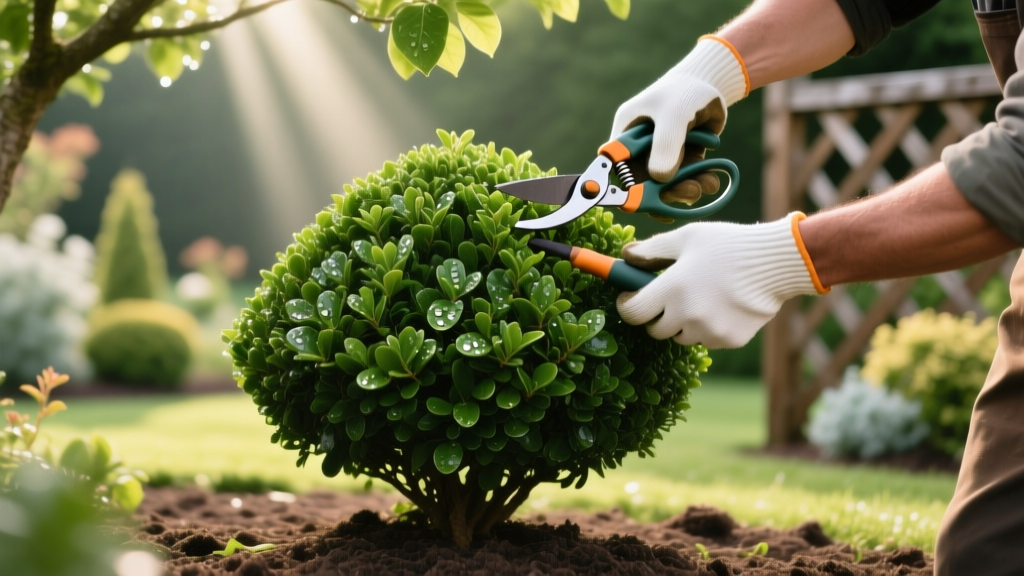
Beginner's Guide to Shaped Bushes: Pruning and Species
Choosing the Right Species for Shaped Bushes
Creating perfectly shaped bushes requires starting with the right plant material. Not all shrubs tolerate the frequent shearing required for formal topiary or tight geometric hedges. For beginners, the ideal species must possess small leaves, dense branching habits, and a slow-to-moderate growth rate to minimize maintenance.
According to the Royal Horticultural Society, evergreen species with naturally compact forms yield the cleanest lines when sheared. Deciduous shrubs can be used, but they lose their defined structure in winter. Below is a comparison of the most reliable species for beginners attempting their first formal landscape designs.
| Species (Common / Botanical) | Growth Rate | USDA Hardiness Zones | Shaping Difficulty | Best For |
|---|---|---|---|---|
| English Boxwood (Buxus sempervirens 'Suffruticosa') | Slow (1-2 inches/year) | 5-8 | Easy | Spheres, cubes, low borders |
| Japanese Holly (Ilex crenata) | Moderate (3-6 inches/year) | 5-8 | Easy | Boxwood alternative, cloud pruning |
| English Yew (Taxus baccata) | Slow-Moderate (2-4 inches/year) | 6-8 | Moderate | Tall formal hedges, complex topiary |
| Privet (Ligustrum vulgare) | Fast (12+ inches/year) | 4-8 | Hard (requires frequent cuts) | Budget hedges, large property lines |
Essential Tools for Precision Shaping
The difference between a professional-looking shaped bush and a ragged, damaged shrub often comes down to tool selection. While gas-powered hedge trimmers are fast, they tear small leaves and create a frayed, brown exterior. For beginner-friendly precision on shrubs under six feet tall, manual tools provide the necessary control.
- Hand Pruners (Bypass): Use these for removing thick interior branches (over 1/4 inch) and making corrective cuts. The Felco F-2 Classic Manual Hand Pruner ($60-$65) features a hardened steel blade that cuts cleanly without crushing the plant's vascular tissue.
- Hedge Shears: Essential for shearing the outer canopy. The Okatsune 101 8-inch Hedge Shears ($75-$85) are forged from Izumo Yasugi steel, offering razor-sharp edges that slice through small leaves cleanly rather than tearing them.
- Template Guides: For perfect spheres or cones, purchase a wire topiary frame ($25-$40) or use a simple wooden T-square to check for level tops and plumb sides.
The 'Battered' Pruning Technique: A Step-by-Step Framework
The most critical concept in shaping formal hedges and bushes is the 'batter' angle. A common beginner mistake is shearing the shrub perfectly straight up and down, or worse, wider at the top. This shades out the lower branches, causing them to die back and leaving you with a bare-bottomed shrub.
The Golden Rule of the Batter: The base of your shaped bush must be 10% to 15% wider than the top. This trapezoidal profile ensures sunlight reaches the lower foliage, keeping the shrub dense from the soil line to the apex.
Execution Steps for the First Year
- Establish the Framework: In early spring, use your bypass pruners to cut back any erratic, outward-growing branches to the desired maximum width. Do not use hedge shears for these thick structural cuts.
- Shear the Apex: Using your hedge shears, level the top of the bush. Keep the shears parallel to the ground, using a nearby fence line or a string guide as a visual reference.
- Angle the Sides: Tilt your shears slightly inward as you move from the bottom to the top. Trim just 1/2 inch to 1 inch of the new, soft spring growth. This encourages lateral branching just below the cut.
- Clean the Interior: Reach inside the canopy and pull out the clippings. Left inside, these clippings trap moisture and invite fungal pathogens.
Seasonal Maintenance and Disease Prevention
Shaped bushes endure significant stress from frequent pruning. Replacing the lost foliage requires targeted nutrition and vigilant disease monitoring. The University of Minnesota Extension emphasizes that timing your pruning and fertilization correctly prevents winter burn and disease susceptibility.
Fertilization Schedule
Avoid high-nitrogen, fast-release synthetic fertilizers, which cause rapid, weak flushes of growth that ruin your carefully shaped lines. Instead, use a slow-release, balanced granular fertilizer.
- For Boxwoods and Yews: Apply a 10-10-10 or 14-14-14 slow-release granular fertilizer in early spring (March to April) at a rate of 1 pound per 100 square feet of root zone. Broadcast it evenly under the drip line, keeping it 3 inches away from the main trunk.
- For Japanese Holly: As an acid-loving plant, use a specialized formulation like Espoma Holly-tone (4-3-4) in early spring and again in late fall. Apply 1 cup per foot of branch spread.
Preventing Boxwood Blight
Boxwood blight (Calonectria pseudonaviculata) is a devastating fungal disease that causes rapid defoliation. It thrives in the humid, stagnant microclimates created by tightly shaped bushes. To prevent it:
- Never shear shaped bushes when the foliage is wet from rain or morning dew.
- Sanitize your hedge shears between every single plant using a spray bottle filled with 70% isopropyl alcohol or a 10% bleach solution.
- Thin the interior of the shrub annually using hand pruners to create airflow channels, removing up to 10% of the inner crossing branches.
Common Beginner Mistakes to Avoid
Even with the right species and tools, poor technique can compromise the health and aesthetics of your landscape. Watch out for these frequent errors:
- Shearing in Late Fall: Pruning stimulates new growth. If you shear your bushes in September or October, the tender new flush will not have time to harden off before the first freeze, resulting in severe winter dieback. Stop all shaping by mid-August.
- Using Dull Blades: Dull hedge shears crush the stems rather than slicing them. This leaves jagged wounds that turn brown and take weeks to heal, ruining the visual appeal of the shaped bush. Sharpen manual shears with a diamond file at a 20-degree bevel every 10 hours of use.
- Ignoring the Root Flare: When planting new shrubs for shaping, ensure the root flare (where the trunk widens at the base) is slightly above grade. Burying the trunk under soil or thick mulch leads to girdling roots and stem rot, killing the plant before you can shape it.
Mastering shaped bushes is an exercise in patience and precision. By selecting slow-growing evergreens, maintaining a battered pruning profile, and adhering to a strict sanitation routine, you can achieve formal landscape architecture that remains healthy and vibrant for decades. For more advanced structural pruning techniques, consult the comprehensive guides provided by the Morton Arboretum.

