
Tree Care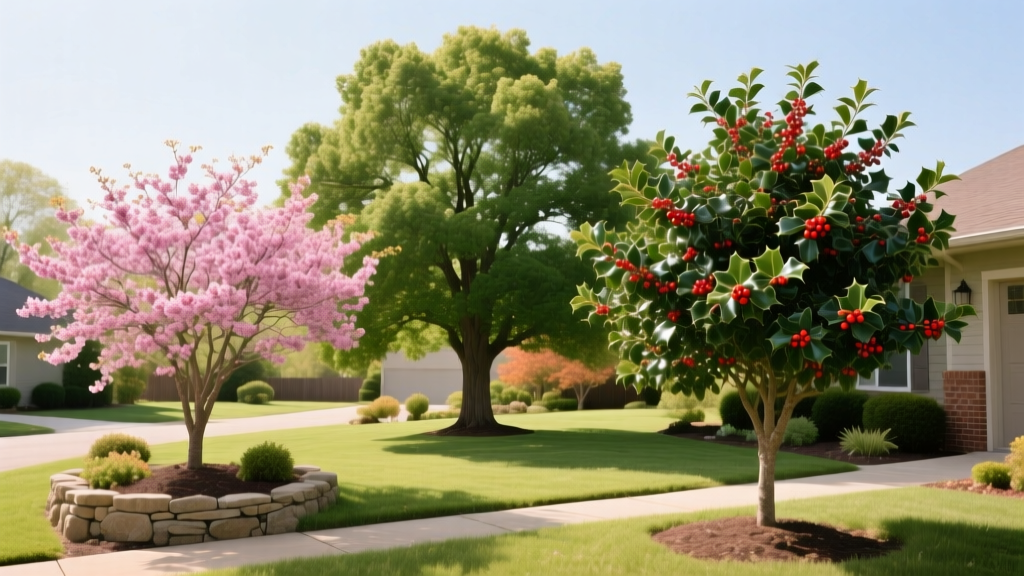
Best Native Trees in MO for Beginner Home Landscapes
Mastering Missouri's Microclimates: Why Native Species Win
Missouri's climate presents a unique challenge for home gardeners. With USDA Hardiness Zones ranging from 5b in the northern counties to 7a in the southeastern boot heel, and soil profiles dominated by heavy, poorly draining "gumbo" clay, many popular nursery trees fail within their first three years. For beginners, selecting the right species is the single most critical decision you will make. Native trees in MO have spent thousands of years adapting to the state's humid summers, ice storms, and alkaline clay soils, making them vastly superior for low-maintenance landscaping.
💡 The Beginner's Advantage: According to the Missouri Prairie Foundation's Grow Native! program, established native trees require 70% less supplemental watering than non-native ornamentals and provide essential habitat for local pollinators, eliminating the need for chemical pest interventions.
Top 4 Beginner-Friendly Trees in MO: Quick Comparison
Before purchasing from local growers like Forrest Keeling or Missouri Wildflowers Nursery, review this matrix to match the tree to your specific yard conditions.
| Species | Mature Size | Sun / Soil Needs | Est. Nursery Cost (15-gal) |
|---|---|---|---|
| Eastern Redbud Cercis canadensis |
20–30 ft tall 25–35 ft wide |
Full sun to part shade Adaptable to clay |
$120 – $160 |
| Bur Oak Quercus macrocarpa |
60–80 ft tall 60–80 ft wide |
Full sun Highly drought tolerant |
$140 – $190 |
| Flowering Dogwood Cornus florida |
15–25 ft tall 15–20 ft wide |
Part shade (understory) Requires acidic soil (pH 5.5-6.5) |
$130 – $175 |
| Downy Serviceberry Amelanchier arborea |
15–25 ft tall 15–20 ft wide |
Full sun to part shade Well-draining loam or clay |
$90 – $130 |
1. Eastern Redbud: The Spring Showstopper
The Eastern Redbud is arguably the most recognizable of all trees in MO, famous for its magenta-pink blooms that erupt directly from the bark in early April. For beginners, it is forgiving, but it has one major vulnerability: canker disease. To prevent this, never prune a Redbud during wet spring weather. Make all structural cuts in late winter when the tree is fully dormant and the air is dry. Purchase the 'Appalachian Red' or 'Merlot' cultivars if you want superior disease resistance and deeper leaf coloration.
2. Bur Oak: The Generational Shade Provider
If you have a large property and want a tree that will survive extreme droughts, the Bur Oak is unmatched. It develops a massive taproot that punches through compacted Missouri clay to access deep water tables. Crucial buying tip: Because of this taproot, do not buy a massive, boxed Bur Oak. Purchase a 5-gallon or 7-gallon container tree (usually $65–$85). Smaller trees experience less transplant shock and will actually outgrow larger, root-bound specimens within five years.
3. Flowering Dogwood: The Understory Elegance
Dogwoods thrive in the dappled shade of larger trees, mimicking their natural habitat in the Ozark woodlands. However, Missouri's native clay often sits at a pH of 7.0 or higher, which locks up the iron dogwoods need, causing chlorosis (yellowing leaves). Before planting, test your soil. If the pH is above 6.5, incorporate 1.5 pounds of elemental sulfur per 100 square feet into the top 6 inches of soil six months prior to planting to safely lower the alkalinity.
4. Downy Serviceberry: Small Yards and Edible Landscapes
Serviceberry is perfect for modern, smaller suburban lots. It offers four-season interest: white spring flowers, edible summer berries (tasting like a mild blueberry-almond cross), and brilliant orange fall foliage. It naturally grows as a multi-stemmed shrub but can be trained into a single-trunk tree by pruning away lower suckers annually in late winter.
The "Gumbo Clay" Planting Protocol
The number one reason newly planted trees in MO fail is improper installation in heavy clay. Clay holds water tightly, creating a "bathtub effect" that drowns roots. Follow this exact protocol endorsed by the Missouri Department of Conservation:
- Dig Wide, Not Deep: Excavate a hole 2.5 times wider than the root ball, but 2 inches shallower than the root ball's height. The root flare (where the trunk widens at the base) must sit slightly above the surrounding grade.
- Score the Root Ball: Nursery trees are often root-bound. Use a sterilized hori-hori knife to make four vertical, 1-inch-deep slices down the sides of the root ball, and tease out the bottom roots to encourage outward growth.
- Zero Backfill Amendments: Do not mix peat moss, compost, or topsoil into the backfill. Use the exact native clay you dug out. Amending the hole creates a texture contrast that traps water inside the hole, rotting the roots.
- The Donut Mulch Method: Apply 2 to 3 inches of shredded hardwood mulch in a 4-foot diameter ring. Keep the mulch 3 inches away from the trunk bark to prevent vole damage and collar rot.
⚠️ Warning: The "Volcano Mulch" Mistake
Never pile mulch against the trunk of your tree. This practice, known as volcano mulching, keeps the bark perpetually moist, inviting fungal pathogens and encouraging girdling roots that will eventually strangle the tree.
Never pile mulch against the trunk of your tree. This practice, known as volcano mulching, keeps the bark perpetually moist, inviting fungal pathogens and encouraging girdling roots that will eventually strangle the tree.
First-Year Watering and Maintenance Schedule
Even drought-tolerant native trees in MO require supplemental water during their first 18 months while they establish their root systems.
- Weeks 1-4: Water every 2 days. Apply 10 gallons per inch of trunk caliper (measured 6 inches above the soil line). Use a slow-flow hose or a 15-gallon tree watering bag (like the Treegator) to allow water to penetrate the clay rather than running off.
- Months 2-6: Water twice a week, increasing to three times a week if temperatures exceed 90°F and rainfall is absent.
- Months 7-12: Transition to deep, weekly soakings. This forces roots to grow downward rather than lingering near the surface.
- Fertilization: Do not fertilize newly planted trees. High-nitrogen synthetic fertilizers push weak, leafy top growth before the root system can support it. Wait until year two, and only apply a slow-release organic fertilizer (like Espoma Tree-tone 6-3-2) if a soil test indicates a deficiency.
Frequently Asked Questions
When is the best time to plant trees in MO?
Early fall (mid-September to late October) is the optimal planting window in Missouri. Soil temperatures remain warm enough to stimulate root growth, but the cooler air reduces transpiration stress on the canopy. Spring planting (April) is the second-best option but requires rigorous summer watering.
How do I protect young trees from Missouri ice storms?
Trees with narrow branch crotches (angles less than 45 degrees) are prone to splitting under ice loads. When your tree is young, use structural pruning to favor branches with wide, U-shaped crotches. For multi-stemmed trees like Serviceberry, you can loosely bind the stems with soft arborist ties during severe winter weather alerts, removing them in early spring.
Are there native trees in MO that resist deer browsing?
Yes. While hungry deer will eat almost anything in a severe winter, Bur Oak, Eastern Redcedar, and American Sycamore are highly deer-resistant due to their tough, leathery, or aromatic foliage. If planting vulnerable species like Dogwood or Redbud in rural areas, protect the trunk with a 4-foot-tall wire mesh cage for the first two years.

