Tree Care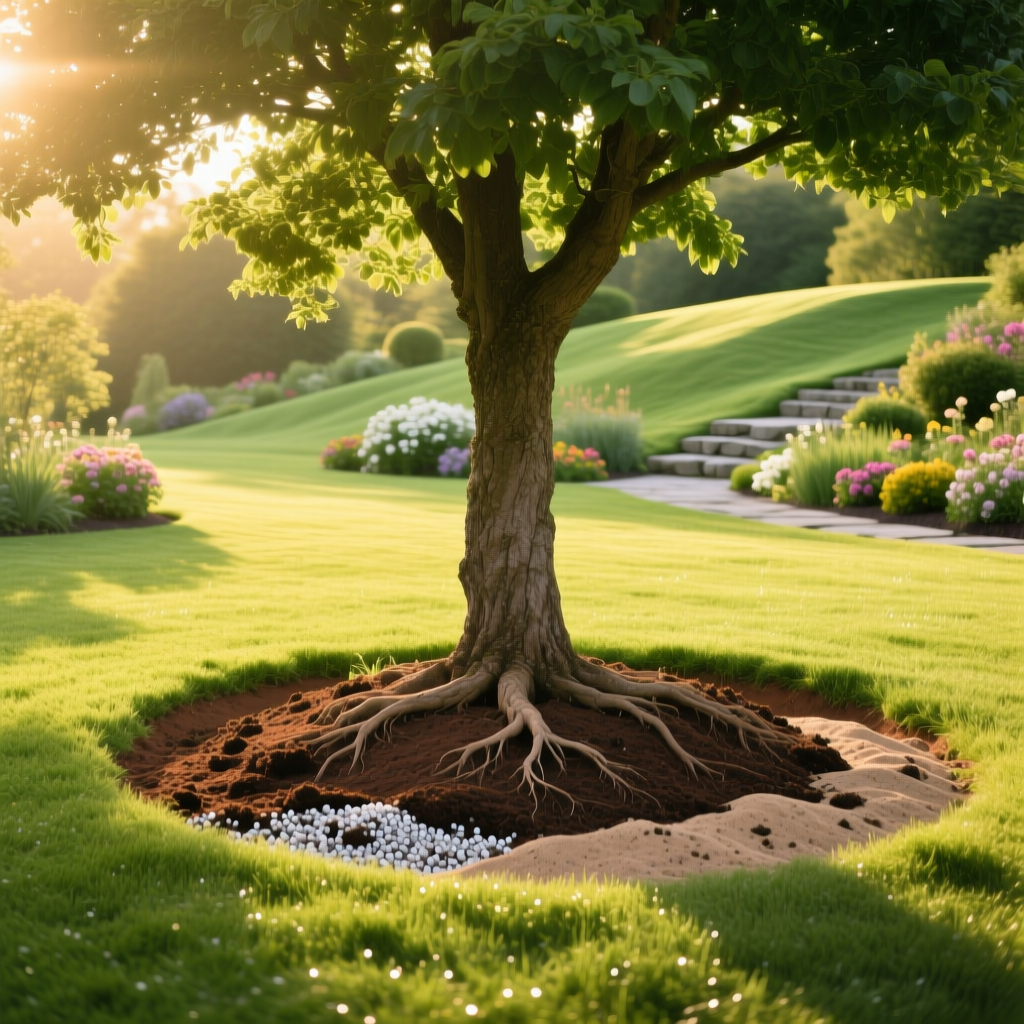
Best Soil Amendments for Tree Health in Clay Soil: A Complete Guide
Anna KowalskiPublished
Clay soil presents one of the most common challenges for homeowners and arborists trying to grow healthy, thriving trees. Dense, compacted, and prone to waterlogging, heavy clay can suffocate roots, limit nutrient uptake, and ultimately shorten the lifespan of even the hardiest tree species. The good news is that with the right soil amendments and proper application techniques, you can transform stubborn clay into a rich, well-aerated growing medium that supports vigorous tree growth for decades.
Understanding the unique properties of clay soil is the first step toward effective remediation. Clay particles are incredibly fine — less than 0.002 millimeters in diameter — which means they pack tightly together, leaving little room for air and water movement. This creates an environment where tree roots struggle to breathe, expand, and access the nutrients they need. By strategically incorporating organic and mineral amendments, you can break up compaction, improve drainage, boost microbial activity, and create the ideal conditions for long-term tree health.
In this comprehensive guide, we will explore the best soil amendments for trees growing in clay soil, explain how each one works, and share practical tips for application. Whether you are planting a new tree or trying to revive an established one, these strategies will help you build healthier soil from the ground up. For additional tips on maintaining a beautiful landscape, explore our complete lawn care guides and related tree care resources.
Understanding Clay Soil and Its Impact on Tree Health
Before selecting amendments, it is essential to understand exactly what makes clay soil so challenging for trees. Clay soil is defined by its high percentage of clay particles, which give it several distinctive characteristics that directly affect root development and overall tree vigor.
Physical Properties of Clay Soil
Clay soil is naturally dense and heavy. When wet, it becomes sticky and malleable; when dry, it hardens into a concrete-like surface that resists penetration. This density creates several problems for trees:
- Poor drainage: Water moves slowly through clay, often pooling around root zones and creating anaerobic conditions that promote root rot and fungal diseases.
- Compaction: The tight packing of clay particles limits pore space, restricting the oxygen supply that tree roots need for respiration and nutrient absorption.
- Restricted root growth: Dense clay physically impedes root expansion, forcing trees to develop shallow, girdling root systems that make them more susceptible to drought stress and windthrow.
- Nutrient lockup: While clay soil is often rich in minerals, those nutrients may be chemically bound and unavailable to tree roots due to poor soil chemistry and limited microbial activity.
- Temperature fluctuations: Clay soil warms slowly in spring and can remain cold and wet well into the growing season, delaying root activity and new growth.
Signs Your Trees Are Struggling in Clay Soil
Recognizing the symptoms of clay soil stress early can save your trees from irreversible decline. Watch for these warning signs:
- Yellowing leaves (chlorosis) despite adequate watering
- Stunted growth or smaller-than-expected canopy spread
- Water pooling around the base of the tree after rain
- Cracked soil surface during dry periods
- Shallow, surface-level roots that heave or become exposed
- Premature leaf drop or dieback in the upper canopy
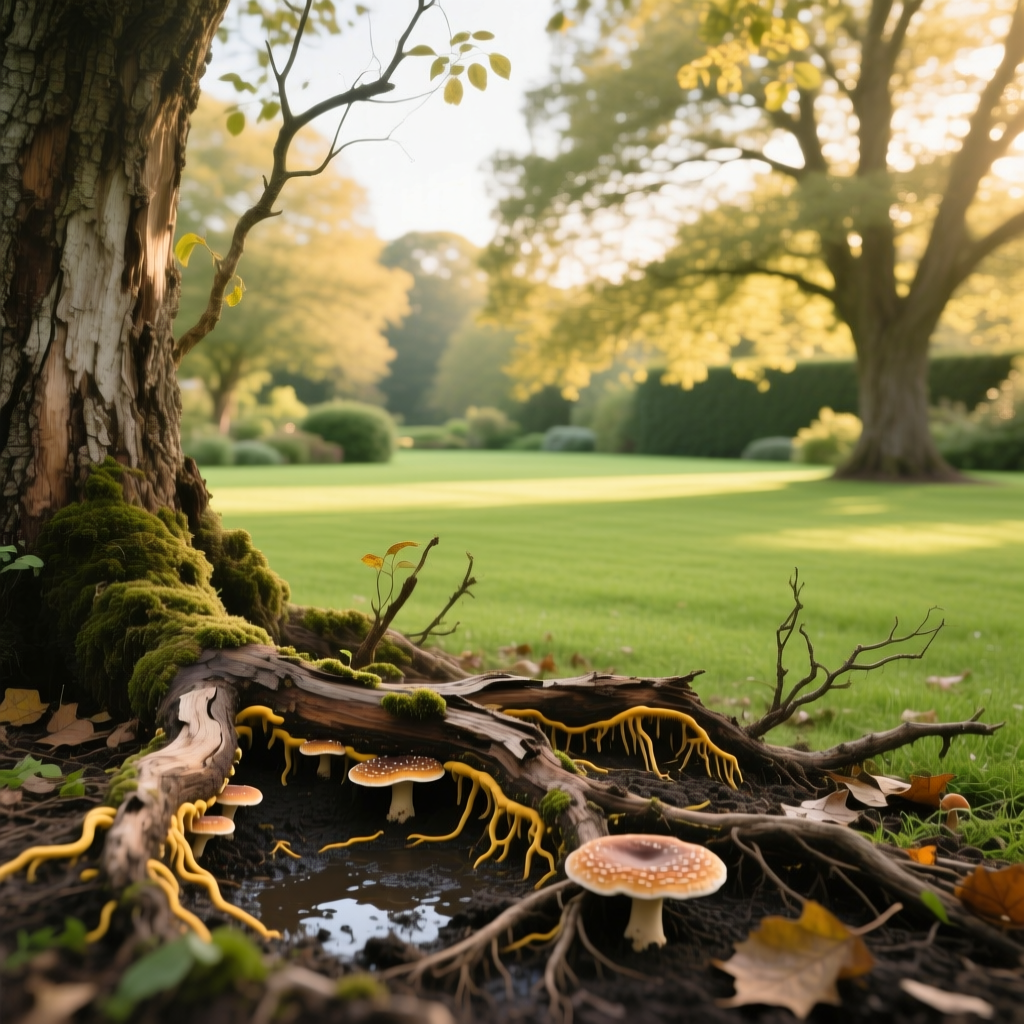
- Presence of mushrooms or fungal growth near the root zone
If you notice any of these indicators, your trees are likely dealing with the constraints of heavy clay. The amendments discussed below can help reverse these problems and restore soil health over time. For more information on diagnosing tree problems, check out our tree care section for additional expert guidance.
The Best Organic Soil Amendments for Clay Soil
Organic amendments are the cornerstone of any clay soil improvement strategy. They work by adding bulk and structure to the soil, creating pore spaces that improve drainage, aeration, and biological activity. As organic matter decomposes, it also releases nutrients and produces humic substances that further enhance soil quality. Here are the most effective organic amendments for trees in clay soil.
Compost
Compost is widely regarded as the single best all-purpose amendment for clay soil. Made from decomposed organic materials such as leaves, grass clippings, kitchen scraps, and manure, compost improves virtually every aspect of soil health. It loosens compacted clay, increases water infiltration, feeds beneficial soil organisms, and provides a slow-release supply of essential nutrients.
For established trees, apply a two-to-three-inch layer of compost over the root zone, extending from the trunk to the drip line and beyond. Gently incorporate it into the top few inches of soil using a hand rake or garden fork, being careful not to damage surface roots. For new plantings, mix compost with native clay soil at a ratio of roughly one part compost to two parts clay in the planting hole and surrounding area.
High-quality compost should be dark, crumbly, and earthy-smelling. Avoid compost that is slimy, foul-smelling, or contains recognizable pieces of undecomposed material. If you maintain a healthy lawn, grass clippings and raked leaves can provide an excellent source of raw material for homemade compost.
Composted Bark and Wood Chips
Composted bark fines and wood chips are excellent amendments for improving the structure of clay soil around trees. These coarse organic materials create lasting pore spaces that resist re-compaction, and they break down slowly, providing long-term benefits. Pine bark is particularly popular because it is readily available and slightly acidic, which many tree species prefer.
When using composted bark as a soil amendment (not just a surface mulch), mix it into the top six to eight inches of soil around the tree at a rate of about twenty to thirty percent by volume. This is especially effective when preparing planting sites for new trees in heavy clay. As a surface mulch, a three-to-four-inch layer of wood chips helps regulate soil temperature, retain moisture, and gradually add organic matter as the lower layers decompose.
Leaf Mold
Leaf mold is a simple but powerful amendment made from partially decomposed leaves. It is exceptionally good at improving soil structure and water retention in clay soils. Unlike compost, leaf mold is low in nutrients but extremely high in organic matter and beneficial fungi, making it an ideal soil conditioner for trees that thrive in forest-like soil conditions.
To make leaf mold, collect fallen leaves in autumn, moisten them, and store them in a pile or enclosed bin for one to two years. The resulting dark, crumbly material can be applied as a top dressing or gently worked into the soil around established trees. Leaf mold is particularly beneficial for acid-loving trees such as oaks, maples, and dogwoods.
Aged Manure
Well-aged manure from horses, cows, or chickens adds both organic matter and a concentrated supply of nitrogen, phosphorus, and potassium to clay soil. However, it is critical to use only fully composted manure — fresh manure is too high in soluble salts and ammonia and can burn tree roots. Aged manure should be dark, dry, and virtually odorless before application.
Apply a one-to-two-inch layer of aged manure over the root zone in early spring, and lightly incorporate it into the topsoil. Because manure is nutrient-rich, it is best used in combination with bulkier amendments like compost or bark to avoid over-fertilization. Always water thoroughly after application to help nutrients migrate into the root zone.
Peat Moss and Coconut Coir
Both peat moss and coconut coir are lightweight, highly absorbent organic materials that can improve moisture management in clay soil. Peat moss is acidic, with a pH between 3.5 and 4.5, making it useful for lowering soil pH around acid-loving trees. Coconut coir, derived from coconut husks, has a more neutral pH and is considered a more sustainable alternative.
These amendments are best used in combination with compost or bark rather than alone, as they can become hydrophobic when dry and may form a water-repellent layer if applied too thickly. Mix one part peat moss or coir with two parts compost for a well-balanced amendment blend.
Mineral and Inorganic Amendments for Clay Soil
While organic amendments are the foundation of clay soil improvement, certain mineral and inorganic materials can provide additional benefits, particularly for improving drainage and breaking up severe compaction. These amendments work through physical and chemical mechanisms rather than biological ones, and they are often used in conjunction with organic matter for best results.
Gypsum (Calcium Sulfate)
Gypsum is one of the most effective mineral amendments for clay soil, particularly in areas with sodic or sodium-affected clay. The calcium in gypsum displaces sodium ions on clay particle surfaces, allowing the particles to flocculate — or clump together — rather than dispersing into a dense, impermeable mass. This process, called flocculation, creates larger pore spaces that dramatically improve water movement and root penetration.
Even in non-sodic clay soils, gypsum provides valuable calcium and sulfur without significantly altering soil pH, making it safe for most tree species. Apply pelletized or powdered gypsum at a rate of approximately forty to fifty pounds per one thousand square feet of root zone area. Water thoroughly after application to help the gypsum dissolve and move into the soil profile. Gypsum can be applied in spring or fall and repeated annually until soil structure improves.
Expanded Shale and Perlite
Expanded shale and perlite are lightweight, porous mineral materials that physically open up clay soil and create permanent pore spaces that do not break down over time. Expanded shale is particularly effective for tree planting in heavy clay because it is durable, chemically inert, and capable of absorbing and slowly releasing water and nutrients.
When planting a new tree in clay soil, mix expanded shale or perlite into the backfill at a rate of ten to twenty percent by volume. For established trees, these materials can be top-dressed over the root zone and lightly incorporated with a garden fork. Expanded shale is especially useful in urban landscapes where clay soil has been severely compacted by construction activity.
Coarse Sand
Coarse sand, sometimes called builder's sand or horticultural sand, can improve drainage in clay soil — but only when used correctly and in sufficient quantities. A common mistake is adding small amounts of fine sand, which actually makes clay soil worse by filling the tiny pore spaces between clay particles and creating an even denser mixture.
To effectively amend clay with sand, you need to use coarse sand (particles larger than 0.5 millimeters) and mix it at a ratio of roughly one part sand to one part clay soil by volume. This high application rate makes sand impractical for large areas but can be useful for individual tree planting holes. Always combine sand with generous amounts of organic matter to prevent the amended soil from settling and re-compacting over time.
Lime (Calcium Carbonate)
While lime is primarily used to raise soil pH rather than improve physical structure, it plays an important role in clay soil management. Many clay soils in humid regions become acidic over time, which can limit nutrient availability and harm beneficial soil organisms. Agricultural lime adds calcium and raises pH, creating conditions that support healthy microbial activity and root growth.
Before applying lime, always conduct a soil pH test to determine whether your soil actually needs it. Most trees prefer a slightly acidic to neutral pH between 6.0 and 7.0. If your soil pH is below 6.0, apply dolomitic lime (which also contains magnesium) at the rate recommended by your soil test results. Lime works slowly, so apply it in fall for the best results by the following growing season.
Application Techniques and Seasonal Strategies for Amending Clay Soil
Choosing the right amendments is only half the battle. How and when you apply them makes a significant difference in their effectiveness. Proper technique ensures that amendments reach the root zone, integrate with the existing soil, and provide lasting benefits without harming your trees.
Amending Soil for New Tree Plantings
The best opportunity to amend clay soil is before you plant a new tree. Dig a planting hole that is two to three times wider than the root ball but no deeper than the root ball's height. Instead of amending only the soil within the planting hole — which can create a "bathtub effect" that traps water — amend a broad area extending at least three to five feet beyond the hole in all directions.
Mix your chosen amendments thoroughly with the native clay soil at a ratio of approximately one part amendment to two or three parts native soil. This creates a gradual transition zone that encourages roots to expand outward into the surrounding soil rather than circling within the amended area. Backfill the planting hole with the amended soil mixture, water deeply, and apply a three-inch layer of organic mulch over the entire amended area.
Amending Soil Around Established Trees
Improving clay soil around established trees requires a more careful approach to avoid damaging existing roots. Several techniques can be effective:
- Top dressing: Apply a two-to-three-inch layer of compost or a compost-bark blend over the root zone, starting a few inches from the trunk and extending to the drip line. Over time, earthworms and natural soil processes will incorporate the amendment into the underlying clay.
- Vertical mulching: Drill holes eight to twelve inches deep and one to two inches in diameter throughout the root zone, spacing them twelve to eighteen inches apart. Fill the holes with a mixture of compost, expanded shale, and slow-release fertilizer. This technique delivers amendments directly to the root zone and creates channels for air and water penetration.
- Radial trenching: Dig narrow trenches six to eight inches deep radiating outward from the trunk like spokes on a wheel. Fill the trenches with a compost-amended soil mix. This method is particularly effective for mature trees suffering from soil compaction.
- Air spading: For severely compacted clay soil around valuable trees, consider hiring a certified arborist to perform air spading. This technique uses compressed air to fracture and loosen compacted soil without damaging roots, allowing amendments to be incorporated deeply and thoroughly.
Seasonal Timing for Soil Amendments
The timing of your amendments can influence how quickly and effectively they improve soil conditions:
- Fall: This is the ideal season for most soil amendments. Cooler temperatures, increased rainfall, and active root growth help amendments integrate into the soil over the winter months. Apply compost, gypsum, and lime in early to mid-fall for the best results.
- Early spring: Apply a fresh layer of compost or aged manure as the soil begins to warm and trees resume active growth. Spring applications provide nutrients during the peak growing season.
- Summer: Avoid heavy amendment applications during hot, dry weather, as working the soil can stress roots and expose them to heat and drought. Focus on maintaining a thick layer of organic mulch to protect the soil surface and conserve moisture.
- Winter: In mild climates, winter is an acceptable time to apply slow-acting amendments like gypsum and lime. Avoid working the soil when it is frozen or waterlogged, as this can worsen compaction.
Consistent, annual applications of organic matter will gradually transform even the heaviest clay soil into a healthy, productive growing medium. Patience is key — significant improvements typically take two to four years of sustained effort. For seasonal lawn and landscape care tips that complement your tree care efforts, visit our seasonal care guides.
Common Mistakes to Avoid When Amending Clay Soil for Trees
Even well-intentioned efforts can backfire if you fall into common traps. Avoid these frequent mistakes to ensure your soil amendment program delivers the results you want.
Adding Amendments Only to the Planting Hole
One of the most widespread errors is amending only the soil within the planting hole while leaving the surrounding clay untouched. This creates a sharp textural boundary that impedes water movement and root expansion. Tree roots may circle within the amended zone rather than growing outward, leading to girdling roots and long-term instability. Always amend a broad area around the planting site, not just the hole itself.
Over-Amending with Organic Matter
While organic matter is beneficial, too much of it can cause problems. Excessive organic matter can hold too much water, creating waterlogged conditions even in clay soil. It can also decompose and settle over time, causing the soil surface to sink and creating depressions that collect water. Aim for a total organic matter content of five to ten percent by volume in the root zone, and build up gradually over multiple seasons.
Using the Wrong Type of Sand
As mentioned earlier, adding fine sand or small amounts of sand to clay soil can create a denser, more concrete-like mixture rather than improving drainage. If you choose to use sand, it must be coarse-textured and applied in large quantities. When in doubt, rely on organic amendments and gypsum instead of sand for improving clay soil structure.
Tilling or Working Wet Clay Soil
Working clay soil when it is wet destroys its structure and creates hard, compacted clods that are difficult to break apart later. Before digging, tilling, or incorporating amendments, check soil moisture by squeezing a handful of soil. If it forms a tight ball that does not crumble when poked, the soil is too wet to work. Wait until it is moist but not saturated.
Neglecting Mulch Maintenance
Organic mulch is a continuous source of slow-release soil amendment. Failing to replenish mulch as it decomposes allows the soil surface to re-compact and lose the benefits of ongoing organic matter addition. Maintain a consistent two-to-four-inch layer of wood chips, shredded bark, or leaf mulch over the root zone, and top it up annually. Keep mulch a few inches away from the trunk to prevent moisture buildup and bark decay.
For more guidance on proper mulching techniques and their role in overall landscape health, explore our mulching resources and soil health guides.
Frequently Asked Questions
How long does it take for soil amendments to improve clay soil for trees?
The timeline depends on the severity of the clay, the type and quantity of amendments used, and the climate. In general, you can expect to see noticeable improvements in drainage and root growth within one to two years of consistent amendment applications. Full transformation of heavy clay into well-structured, loamy soil typically takes three to five years of annual compost applications, mulching, and proper soil management. Fast-acting amendments like gypsum may produce visible results within a single growing season, particularly in sodic clay soils.
Can I use compost from my own yard to amend clay soil around trees?
Absolutely. Homemade compost from yard waste such as grass clippings, fallen leaves, and small prunings is an excellent and cost-effective amendment for clay soil. The key is to ensure the compost is fully decomposed before applying it around trees. Immature compost can tie up nitrogen, generate excess heat, and harbor pathogens. A well-made compost pile that has been turned regularly and allowed to cure for six to twelve months will be dark, crumbly, and earthy-smelling — perfect for tree root zones. Supplementing homemade compost with purchased composted bark or leaf mold can add diversity and improve long-term soil structure even further.
Should I test my soil before adding amendments to clay soil?
Yes, soil testing is strongly recommended before amending clay soil. A comprehensive soil test will reveal your soil's pH, nutrient levels, cation exchange capacity, and organic matter content — all of which inform your amendment strategy. For example, if your clay soil is already alkaline, adding lime would be counterproductive. If phosphorus levels are high, you would want to choose amendments low in phosphorus. Many university extension services and private labs offer affordable soil testing. Test your soil every two to three years to track progress and adjust your amendment program accordingly.
Is gypsum safe for all tree species in clay soil?
Gypsum (calcium sulfate) is safe for the vast majority of tree species because it does not significantly alter soil pH. It provides calcium and sulfur, both of which are essential plant nutrients, and its flocculating action benefits nearly all clay soils. However, if your soil already has very high calcium levels or if you are growing trees that are highly sensitive to sulfur, you may want to consult a certified arborist or soil scientist before applying gypsum. For most residential landscapes with typical clay soil, gypsum applied at recommended rates poses no risk to trees, shrubs, or lawn grasses.
What is the best mulch to use over amended clay soil for tree health?
The best mulch for trees in amended clay soil is a coarse, organic material that allows air and water to pass through while gradually adding organic matter to the soil below. Arborist wood chips are an excellent choice because they are typically a mix of wood and leaf material, they break down at a moderate rate, and they are often available for free from local tree services. Composted bark mulch is another good option, particularly for its attractive appearance and slow decomposition rate. Avoid using rubber mulch, landscape fabric alone, or thick layers of fine-textured mulch, as these can impede gas exchange and water infiltration. Apply mulch in a wide ring around the tree, two to four inches deep, and keep it pulled back from the trunk to prevent rot and rodent damage.
Improving clay soil for tree health is a long-term investment that pays dividends in stronger, healthier, and longer-lived trees. By combining the right amendments — compost, gypsum, composted bark, and other materials discussed in this guide — with proper application techniques and consistent maintenance, you can overcome the challenges of heavy clay and create a thriving landscape. For more expert advice on tree care, soil management, and lawn care, continue exploring our comprehensive guides at Lawns Guide.