Tree Care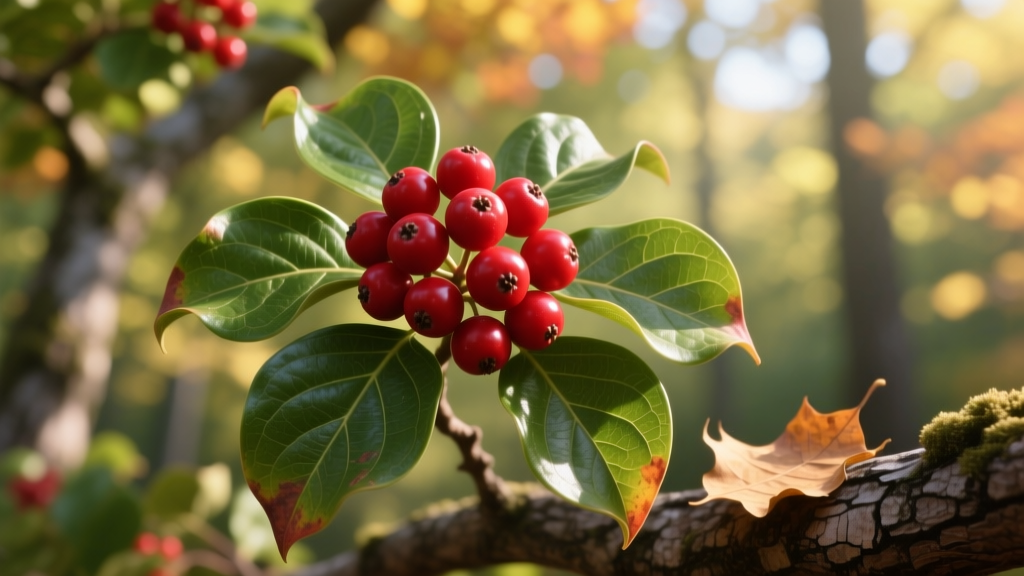
Can You Eat Dogwood Berries? A Complete Foraging & ID Guide
The Short Answer: It Depends Entirely on the Species
When homeowners and foragers ask, "can you eat dogwood berries?", the answer requires a critical botanical distinction. The term "dogwood" refers to the Cornus genus, which encompasses over 60 distinct species of trees and shrubs. While the berries of some dogwood species are highly prized for culinary uses and packed with antioxidants, others are mildly toxic and will cause severe gastrointestinal distress if ingested by humans.
⚠️ Forager Warning: Never consume a dogwood berry unless you have positively identified the specific species. The native Flowering Dogwood (Cornus florida), widely planted across the eastern United States, produces bright red berries that are toxic to humans. Only harvest from confirmed edible species like Cornus kousa or Cornus mas.
Species Breakdown: Edible vs. Toxic Dogwoods
To safely answer whether you can eat dogwood berries from your yard, you must first identify which species you have. The table below outlines the primary dogwood species found in North American landscapes, their edibility, and key identification markers.
| Species (Botanical Name) | Common Name | Edibility | Taste Profile | Key Fruit ID Feature |
|---|---|---|---|---|
| Cornus kousa | Kousa Dogwood | Edible | Sweet, custard-like (skin is bitter) | Spherical, bumpy/raspberry-like, pinkish-red |
| Cornus mas | Cornelian Cherry | Edible | Tart, cherry-like, high acid | Oblong, smooth, bright cherry-red drupe |
| Cornus florida | Flowering Dogwood | Toxic | Bitter, astringent, unpleasant | Glossy red, oval, clustered in tight umbels |
| Cornus sericea | Red Twig Dogwood | Toxic | Extremely bitter, unpalatable | White to pale blue berries, red winter stems |
Deep Dive: Identifying and Preparing Edible Dogwoods
If you have confirmed that your tree is an edible variety, you can safely harvest the fruit. However, "edible" does not always mean "ready to eat straight off the branch." Proper preparation is required to maximize flavor and avoid textural issues.
1. Cornus kousa (Kousa Dogwood)
The Kousa dogwood produces an aggregate fruit that visually resembles a lychee or a bumpy strawberry. According to the NC State Extension Plant Toolbox, these fruits mature in late summer to early fall (typically late September in USDA Zones 5-8).
Preparation: The flesh inside is sweet and creamy, often compared to custard or persimmon. However, the outer skin is tough and contains high levels of bitter tannins. The seeds are also hard and astringent. To eat Kousa berries, you must pinch the stem end and squeeze the inner pulp out, discarding the skin and seeds. The pulp is excellent for making fruit leathers, smoothies, or mixing into yogurt.
2. Cornus mas (Cornelian Cherry)
Despite its name, this is a species of dogwood, not a true cherry. It produces smooth, oblong, bright red drupes. The University of Minnesota Extension notes that Cornelian cherries are incredibly rich in vitamin C and anthocyanins, making them a nutritional powerhouse.
Preparation: These berries are far too tart to eat raw due to high concentrations of malic and citric acid. They must be cooked and sweetened. They are traditionally used in Eastern European and Middle Eastern cuisines to make syrups, jams, and even pickled condiments. For a basic Cornelian cherry syrup, simmer 2 cups of pitted fruit with 1 cup of water for 20 minutes, strain through a fine mesh sieve, and dissolve 1.5 cups of cane sugar into the hot liquid.
The Dangers of Cornus florida (Flowering Dogwood)
The native Flowering Dogwood is a staple of American landscaping, prized for its stunning spring bracts and brilliant red autumn foliage. However, its bright red berries are strictly off-limits for human consumption.
Toxicity Profile: Cornus florida berries contain calcium oxalate crystals and high levels of tannins. While they are not lethal, ingesting them will cause immediate oral irritation, a burning sensation in the mouth and throat, and subsequent gastrointestinal distress, including nausea, vomiting, and diarrhea.
It is a common misconception that if birds eat a berry, it is safe for humans. Avian digestive systems are fundamentally different; birds lack the sensitive mucosal linings that react to calcium oxalate raphides, and their rapid transit times prevent the absorption of certain plant toxins. Always leave Cornus florida berries for the wildlife.
Step-by-Step Foraging and Processing Guide
Foraging edible dogwoods requires precise timing. Harvesting too early results in astringent, hard fruit, while harvesting too late means the fruit will have dropped or fermented on the ground.
- Timing the Harvest: Wait until late summer or early autumn. For Kousa dogwoods, the fruit is ready when it turns a dull pinkish-red and yields slightly to gentle pressure. For Cornelian cherries, wait until the fruit turns dark ruby red and easily detaches from the stem with a light twist.
- Visual Inspection: Avoid berries that show signs of bird pecking, mold, or severe insect damage. Dogwood fruits are prone to fungal issues if left in damp, shaded areas.
- Washing: Submerge the harvested berries in a bowl of cold water mixed with a splash of white vinegar (1 part vinegar to 3 parts water) for 5 minutes to remove surface debris and environmental pollutants. Rinse thoroughly.
- Processing Kousa: Cut the berries in half horizontally. Use a spoon to scoop out the flesh, pushing it through a food mill or fine mesh strainer to separate the pulp from the hard seeds.
- Processing Cornelian Cherry: Use a cherry pitter or a sharp paring knife to halve the fruit and remove the single, elongated pit before cooking.
Nutritional Data and Landscape Integration
Beyond their foraging value, edible dogwoods are exceptional landscape trees. Cornus mas is highly resistant to dogwood anthracnose and powdery mildew, diseases that frequently plague the native Cornus florida.
From a nutritional standpoint, Cornelian cherries boast up to 90 mg of Vitamin C per 100 grams of fresh fruit, rivaling oranges. They also contain significant levels of melatonin and serotonin precursors, which are currently being studied for their neuroprotective properties. Integrating these trees into a permaculture food forest or a suburban edible landscape provides both spring pollinator support and a high-yield autumn harvest.
Frequently Asked Questions
Are dogwood berries toxic to dogs and cats?
While the berries of Cornus florida are not considered highly toxic to dogs and cats in the way that sago palm or oleander are, they can still cause mild stomach upset and vomiting if ingested in large quantities due to the tannins. It is best to discourage pets from foraging under flowering dogwoods.
Can you make tea from dogwood leaves or bark?
Historically, the bark of Cornus florida was used in traditional folk medicine to create a bitter tea for reducing fevers, owing to its quinine-like alkaloid content. However, modern medical science advises against this. The concentration of active compounds varies wildly based on the tree's age and environment, and improper preparation can lead to adverse reactions. Stick to the fruit of known edible species.
How do I tell a Kousa dogwood apart from a Flowering dogwood before they fruit?
Look at the bark and the blooms. Flowering dogwoods (C. florida) bloom in early spring before their leaves emerge, and their mature bark has a distinctive alligator-hide texture. Kousa dogwoods (C. kousa) bloom in late spring after their leaves have fully opened, and their bark exfoliates to reveal a smooth, mottled camouflage pattern of gray, tan, and brown.