
Tree Care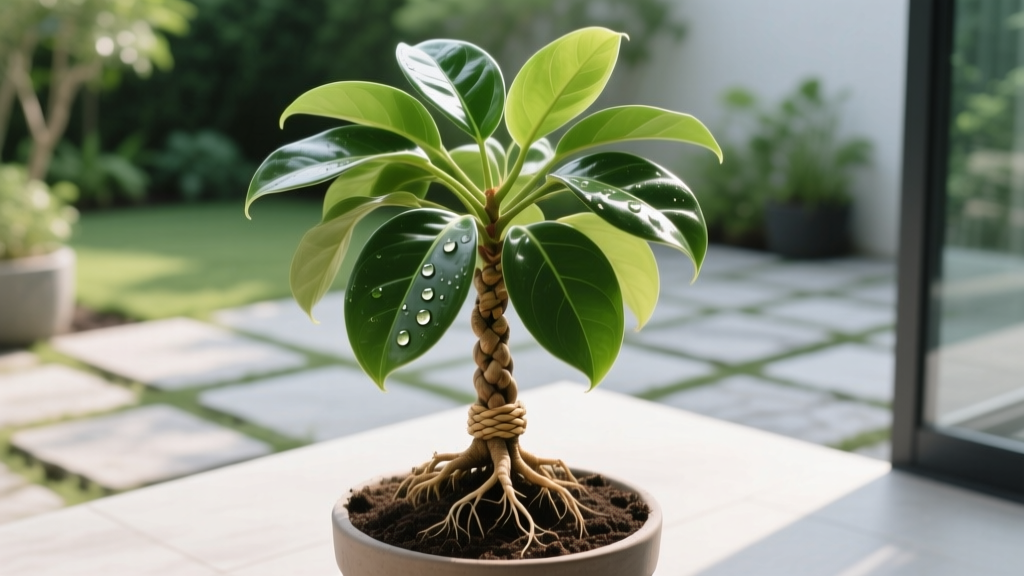
Caring for a Money Tree: Soil, Water, and Braiding Guide
The Pachira aquatica, universally known as the money tree, is a staple in both indoor houseplant collections and outdoor tropical landscaping. Native to the swamps and wetlands of Central and South America, this tree presents a unique horticultural paradox: in its natural habitat, it thrives in waterlogged soil, yet in commercial cultivation, it is highly susceptible to root rot if overwatered. Mastering the art of caring for a money tree requires understanding this environmental shift and adjusting your soil, watering, and maintenance routines accordingly.
Whether you are maintaining a 2-foot braided indoor specimen or cultivating a 30-foot outdoor shade tree in USDA Zones 10 through 12, this guide provides the exact parameters, measurements, and troubleshooting frameworks required for long-term health.
The Ideal Environment: Light and Temperature Thresholds
Money trees require bright, indirect light to maintain their dense, palmate foliage. When grown indoors, place the tree near an east-facing or west-facing window. Direct midday sunlight—specifically when light intensity exceeds 4,000 lux—will cause leaf scorch, manifesting as bleached, crispy patches on the leaflets.
- Indoor Light Target: 1,500 to 3,000 lux (bright indirect).
- Outdoor Light Target: Morning full sun with dappled afternoon shade.
- Temperature Range: 65°F to 80°F (18°C to 26°C).
- Humidity: 50% or higher. Drop below 40% and leaf margins will brown.
Cold Damage Threshold: Pachira aquatica suffers severe tissue damage when temperatures drop below 45°F (7°C). If you live outside of USDA Hardiness Zones 10-12, you must transition outdoor patio trees indoors before nighttime temperatures consistently hit 50°F. Consult the USDA Plant Hardiness Zone Map to verify your region's minimum winter thresholds before attempting permanent outdoor planting.
Precision Soil Mixing and Potting Mechanics
The most common cause of money tree failure is dense, moisture-retentive potting soil. Commercial nurseries often ship these trees in heavy peat mixes that stay wet for weeks in low-light indoor environments. Repotting into a highly aerobic, fast-draining medium is critical.
🌿 DIY Money Tree Soil Recipe
Mix the following components by volume to achieve a pH between 6.0 and 7.5 with optimal drainage:
- 50% Coco Coir or Peat Moss: Provides baseline moisture retention and structure.
- 25% Coarse Perlite: Creates macro-pores for oxygen flow to the roots.
- 25% Orchid Bark or Pumice: Prevents soil compaction over time and mimics the chunky debris of its native wetland edges.
Pot Selection: Always use a pot with at least one large drainage hole. Terracotta or unglazed ceramic pots are superior to plastic because their porous walls allow lateral evaporation, reducing the risk of soil souring. Choose a pot that is only 1 to 2 inches wider in diameter than the current root ball; excessive soil volume holds excess water.
The 'Soak and Dry' Watering Protocol
Forget the 'ice cube' or 'weekly sip' watering methods. Money trees require deep, infrequent watering that mimics tropical downpours followed by dry spells. Water the tree thoroughly until water flows freely from the drainage holes, then force the soil to dry out in the top 2 to 3 inches before watering again.
Seasonal Watering Matrix
| Season | Growth Phase | Watering Frequency | Soil Moisture Target |
|---|---|---|---|
| Spring / Summer | Active Vegetative | Every 7–10 days | Top 2 inches dry |
| Fall | Slowing Growth | Every 12–14 days | Top 3 inches dry |
| Winter | Dormancy | Every 3–4 weeks | Dry 50% down the pot |
Maintaining the Iconic Braided Trunk
The braided trunk is a result of nursery workers weaving young, flexible Pachira aquatica saplings together. As the tree matures, the trunks thicken and fuse. Maintaining this structure requires proactive care to prevent fatal girdling.
- Inspect the Bindings: Nurseries often secure the top of the braid with rubber bands or twine. Check this area every 3 months.
- Remove Restrictive Ties: As the bark expands, tight ties will cut into the phloem and xylem, choking off nutrient transport. Snip off old rubber bands immediately.
- Upgrade to Neoprene: If the upper stalks are still growing and need support to stay woven, replace old ties with soft, adjustable velcro plant ties or wide neoprene straps that distribute pressure evenly.
- Prune Suckers: The tree will attempt to sprout new branches from the lower trunk, which ruins the visual line of the braid. Prune these basal suckers flush with the trunk using sterilized bypass pruners.
⚠️ Girdling Warning: Never use wire, zip-ties, or tight rubber bands to secure braids or attach support stakes. A girdled money tree will exhibit sudden, massive leaf drop and canopy dieback that cannot be reversed once the vascular tissue is severed.
Indoor vs. Outdoor Cultivation Matrix
While primarily sold as houseplants, money trees can be integrated into outdoor landscapes in frost-free climates. The care parameters shift significantly between the two environments.
| Care Parameter | Indoor Container Care | Outdoor Landscape (Zones 10-12) |
|---|---|---|
| Max Height | 6 to 8 feet | Up to 30 feet |
| Watering | Manual soak-and-dry | Rainfall + deep soak during droughts |
| Canopy Maintenance | Quarterly pruning to limit size | Minimal; allow natural umbrella shape |
| Flowering/Fruiting | Extremely rare indoors | Produces showy flowers and edible seed pods |
Fertilizer Regimens and Nutrient Deficiencies
Pachira aquatica is a light feeder. Over-fertilizing leads to rapid, weak, leggy growth and toxic salt accumulation in the soil. During the active growing season (spring and summer), apply a balanced, water-soluble fertilizer at half the manufacturer's recommended strength.
Recommended Products:
- Jack's Classic No. 1.5 (20-20-20): Dilute to 1/4 teaspoon per gallon of water. Apply every 4 weeks.
- Osmocote Smart-Release (19-6-12): For a hands-off approach, apply 1 tablespoon per gallon of soil volume in early spring. The resin coating releases nutrients gradually over 6 months.
Flushing Protocol: Tap water and synthetic fertilizers leave behind calcium and sodium salts, which appear as a white, crusty ring on the soil surface or pot rim. Every 3 months, take the pot to a sink or outdoor hose and flush it with 4 times the pot's volume in distilled or rainwater to leach these salts out of the drainage holes.
Troubleshooting Common Money Tree Failures
Use this diagnostic framework to identify and correct physiological or pathogenic issues before they become fatal.
- Symptom: Yellowing leaves starting at the bottom of the canopy, accompanied by a foul odor from the soil.
Cause: Root rot (Pythium or Phytophthora pathogens) due to chronic overwatering.
Fix: Unpot the tree immediately. Trim away all black, mushy roots with sterilized shears. Repot into fresh, dry soil mix using the recipe above, and withhold water for 10 days. - Symptom: Crispy, brown leaf margins and tips, with soil pulling away from the pot edges.
Cause: Underwatering, low ambient humidity (<40%), or salt burn from over-fertilization.
Fix: Flush the soil to remove salts. Increase local humidity using a pebble tray or ultrasonic humidifier. Resume the soak-and-dry watering protocol. - Symptom: Leaves dropping rapidly, but remaining green and firm.
Cause: Environmental shock. This occurs when moving the tree to a new location, exposing it to cold drafts from HVAC vents, or sudden temperature drops.
Fix: Relocate the tree away from drafty windows and AC vents. Do not fertilize or repot while the tree is stressed; simply maintain stable temperatures and wait 4 weeks for acclimation. - Symptom: Sticky residue on leaves and the presence of small, cotton-like white masses in the leaf axils.
Cause: Mealybug infestation.
Fix: Isolate the plant. Wipe down the trunk and leaves with a cotton swab dipped in 70% isopropyl alcohol. Follow up with a foliar spray of neem oil or insecticidal soap every 5 days for three cycles.
When cared for with precise moisture management and proper structural support, the money tree is a highly resilient, pet-safe addition to your home or garden. According to the ASPCA's toxic and non-toxic plant database, Pachira aquatica is non-toxic to dogs and cats, making it an excellent choice for households with pets. For further botanical verification and regional planting advice, cross-reference your local extension office or the Missouri Botanical Garden's plant database.

