
Tree Care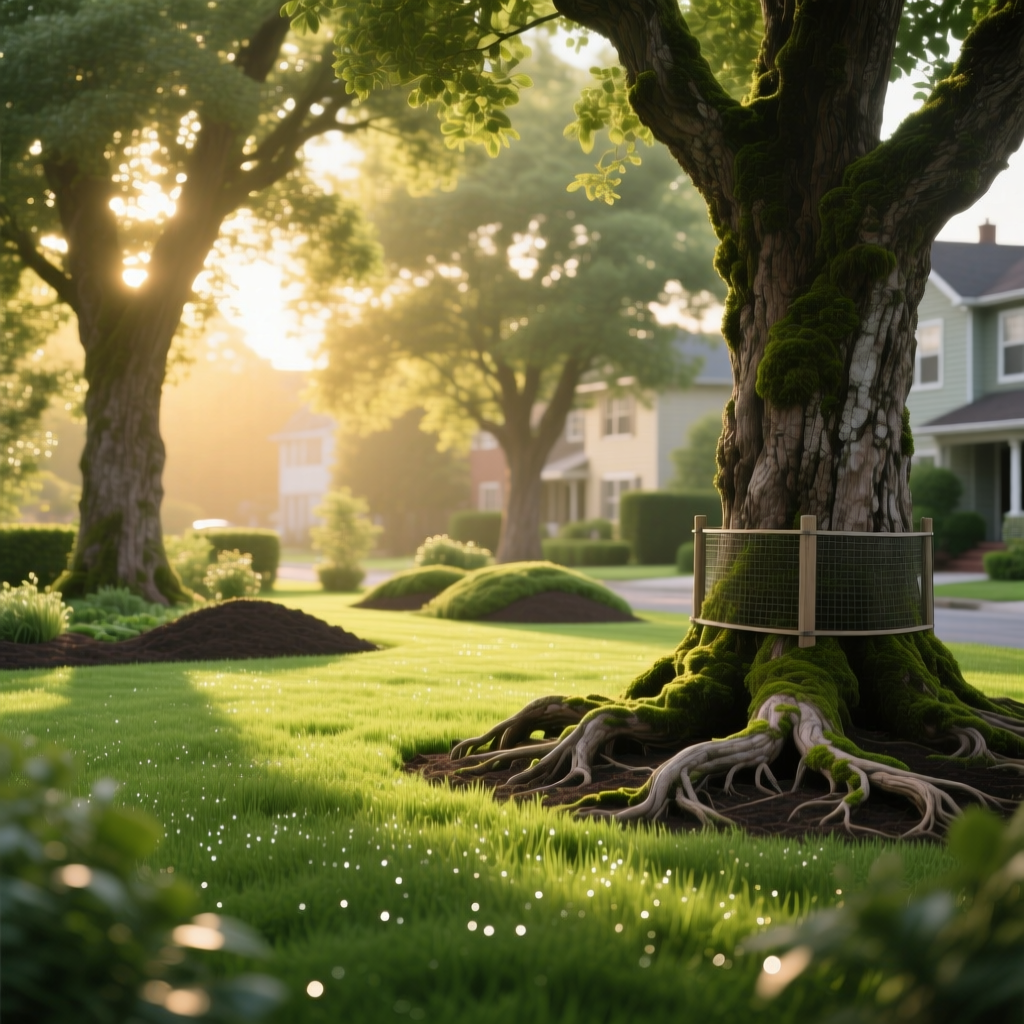
Caring for Heritage & Old Growth Trees in Residential Landscapes
Mike RodriguezPublished
Caring for Heritage & Old Growth Trees in Residential Landscapes
Heritage and old growth trees are living monuments that anchor residential landscapes with unmatched beauty, ecological value, and a deep sense of place. These venerable specimens have weathered decades or even centuries of storms, droughts, and changing seasons, developing complex root systems and sprawling canopies that no newly planted tree can replicate. For homeowners fortunate enough to have these magnificent trees on their property, the responsibility of stewardship is both a privilege and a serious commitment.
Unlike younger trees that can bounce back quickly from mistakes in care, heritage trees require a nuanced, informed approach to maintenance. Their age makes them simultaneously more resilient in some ways and more vulnerable in others. A single poor pruning cut, an improperly placed trench, or a neglected fungal infection can set in motion a chain of decline that may take years to reverse — or may prove irreversible altogether.
This comprehensive guide walks you through everything you need to know about preserving and nurturing heritage and old growth trees in residential settings. From understanding their unique biology to mastering seasonal care routines, you will gain the knowledge needed to ensure these irreplaceable giants continue to thrive for generations to come. For broader landscape maintenance strategies, explore our lawn care guides to keep the surrounding turf healthy without compromising tree health.
Understanding Heritage & Old Growth Trees: Biology, Value & Unique Needs
Before diving into care techniques, it is essential to understand what sets heritage and old growth trees apart from their younger counterparts. A heritage tree is generally defined as a tree of significant age, size, or historical importance within a community or property. Old growth trees, meanwhile, are specimens that have reached a mature stage of their life cycle, often characterized by a broad, spreading crown, thick bark, and an extensive, well-established root system that may extend far beyond the drip line.
The Biological Realities of Aging Trees
As trees age, their physiological processes change significantly. Growth rates slow, wound compartmentalization becomes less efficient, and the energy reserves stored in the root system may fluctuate more dramatically from season to season. The heartwood at the center of the trunk may begin to decay — a natural process that does not necessarily threaten the tree's structural integrity but does require careful monitoring.
Old growth trees have typically developed what arborists call "reaction wood" — dense, reinforced wood formed in response to years of mechanical stress from wind and gravity. This adaptation gives them remarkable structural strength, but it also means that wounds heal more slowly than on younger trees. Every pruning cut must therefore be made with precision and purpose.
Ecological & Property Value
The ecological contributions of heritage trees are staggering. A single mature oak can support over 500 species of insects, birds, and other wildlife. Their deep roots stabilize soil, filter groundwater, and sequester significant amounts of carbon. From a property value perspective, mature heritage trees can increase residential property values by 10 to 20 percent, making their preservation not just an environmental imperative but a sound financial decision.
Healthy surrounding landscapes amplify these benefits. Maintaining the lawn areas around heritage trees using proper mowing techniques and balanced fertilization schedules ensures that the overall landscape remains vibrant without competing with or damaging the tree's root zone.
Legal Protections & Local Regulations
Many municipalities have tree preservation ordinances that protect heritage trees from removal or significant alteration without permits. Before undertaking any major work on a heritage tree, consult your local tree ordinance or speak with a certified arborist familiar with local regulations. Violating these protections can result in substantial fines and legal liability.
Essential Care Requirements for Heritage Trees in Residential Settings
The foundation of heritage tree care rests on understanding and respecting the tree's root zone, soil environment, and water needs. Unlike younger trees that benefit from aggressive fertilization and frequent irrigation, old growth trees thrive on stability and minimal disturbance.
Protecting the Critical Root Zone
The most important concept in heritage tree care is the Critical Root Zone (CRZ). This area is typically defined as the region extending from the trunk outward to a distance equal to one foot of radius for every inch of trunk diameter measured at breast height (approximately 4.5 feet above ground level). For a heritage tree with a 40-inch trunk diameter, the CRZ would extend 40 feet from the trunk in all directions.
Within this zone, the majority of the tree's fine absorbing roots reside in the top 6 to 18 inches of soil. These roots are extraordinarily sensitive to compaction, grade changes, and chemical exposure. Common residential activities that damage the CRZ include:
- Parking vehicles or storing heavy materials over the root zone
- Adding or removing soil within the drip line, which alters oxygen availability to roots
- Installing irrigation systems, utility lines, or drainage without professional guidance
- Applying excessive herbicides or high-nitrogen lawn fertilizers directly over roots
To protect the CRZ, establish a mulched area extending as far from the trunk as practical — ideally to the drip line or beyond. Use organic mulch such as wood chips or shredded bark applied 2 to 4 inches deep, keeping it several inches away from the trunk itself to prevent rot and rodent damage. For more on proper mulching practices that benefit both trees and surrounding beds, see our mulching techniques guide.
Watering Strategies for Mature Trees
Heritage trees have deep, extensive root systems that make them more drought-tolerant than younger specimens, but they are not immune to water stress. During extended dry periods, mature trees benefit from deep, infrequent watering rather than the shallow, frequent irrigation typically used for lawns.
The ideal approach is to apply 1 to 2 inches of water slowly across the entire root zone every two to three weeks during drought conditions. Soaker hoses or drip irrigation systems placed within the mulched area are the most efficient delivery methods. Avoid spraying water directly on the trunk or lower branches, as prolonged moisture on bark can encourage fungal diseases.
Be mindful that lawn irrigation systems are often calibrated for turf grass needs and may deliver too much water too frequently for the health of mature trees. If your heritage tree shares space with irrigated lawn areas, consider adjusting zones or consulting an irrigation specialist to balance the needs of both. Our irrigation systems guide offers strategies for efficient water management across mixed landscapes.
Soil Health & Nutrition
Mature heritage trees generally require far less supplemental nutrition than younger trees. In natural settings, they sustain themselves through the decomposition of leaf litter and organic matter in the soil. In residential landscapes, however, the removal of fallen leaves and the competition from turf grass can deplete soil nutrients over time.
Before applying any fertilizer, conduct a comprehensive soil test to determine actual nutrient deficiencies. Blindly applying high-nitrogen fertilizers can stimulate excessive, weak growth that is more susceptible to pest damage and storm breakage. When fertilization is warranted, slow-release, organic formulations applied in the root zone are preferable. Soil amendments such as compost top-dressing can improve soil biology without the risks associated with synthetic fertilizers.
Soil pH is equally important. Many heritage trees, particularly oaks, beeches, and magnolias, prefer slightly acidic conditions. If your soil has become alkaline due to years of lime applications on surrounding lawns, the tree may develop nutrient deficiencies that manifest as chlorotic (yellowing) foliage. Correcting pH imbalances gradually over several seasons is safer than attempting rapid adjustments. Learn more about managing soil conditions in our soil testing guide.
Pruning Heritage Trees: Techniques, Timing & Common Mistakes
Pruning is perhaps the most impactful — and potentially most damaging — maintenance practice for heritage trees. The guiding principle for pruning old growth trees is restraint: remove only what is necessary for the tree's health, safety, and structural integrity.
The Three Ds: Dead, Diseased & Damaged
The first priority in any heritage tree pruning program is the removal of dead, diseased, and damaged wood. Dead branches, known as "deadwood," are a natural feature of mature trees and provide valuable habitat for wildlife. However, when deadwood poses a risk to people, structures, or high-traffic areas below, it must be removed.
Diseased branches should be removed promptly to prevent the spread of pathogens. Make cuts well below the visible infection point, and sterilize pruning tools between cuts using a solution of 70 percent isopropyl alcohol or a 10 percent bleach solution. Damaged branches — those broken by storms, animal activity, or mechanical injury — should be pruned back to the branch collar or to a healthy lateral branch that is at least one-third the diameter of the removed section.
Structural Pruning & Crown Management
Heritage trees sometimes develop structural defects over decades of growth. Included bark (where two branches grow together with bark trapped between them), overextended limbs, and codominant stems are common concerns that may require professional intervention.
Crown reduction — carefully reducing the length of specific branches to decrease leverage and weight — is sometimes necessary to mitigate the risk of failure. This is fundamentally different from the harmful practice of "topping," which involves indiscriminate cutting of branches and should never be performed on any tree, let alone a heritage specimen. Topping triggers a stress response that produces weakly attached, fast-growing shoots that are more likely to fail than the original branches.
Crown thinning, which involves the selective removal of smaller branches throughout the canopy, can improve light penetration and air circulation. However, over-thinning is a common mistake that removes too much photosynthetic capacity and exposes the tree's interior to sunscald. As a general rule, never remove more than 10 to 15 percent of a heritage tree's live canopy in a single growing season, and less if the tree shows any signs of stress.
Proper Pruning Cuts & Wound Care
Every pruning cut on a heritage tree should be made just outside the branch collar — the swollen area where the branch meets the trunk or parent branch. Flush cuts that remove the collar damage the trunk's protective zone and create entry points for decay organisms. Stub cuts that leave several inches of branch beyond the collar are equally problematic, as the stub will die and become a conduit for disease.
Modern arboricultural research has conclusively shown that wound dressings, paints, and sealants do not accelerate wound closure and may actually impede the tree's natural compartmentalization process. The best wound care is a clean, properly placed cut that allows the tree's own defense mechanisms to do their work.
For large limbs that require removal, the three-cut method is essential to prevent bark tearing. First, make an undercut several inches from the final cut location. Second, make a top cut slightly beyond the undercut to remove the weight of the branch. Finally, make the finishing cut just outside the branch collar. When pruning large heritage trees, always work with a certified arborist who has experience with mature specimens and proper rigging equipment.
Disease & Pest Management for Old Growth Trees
Heritage trees have survived for so long partly because of their well-developed defense systems. However, their age also means they may have accumulated decades of fungal colonization, boring insect galleries, and environmental stress that can compound over time. A proactive, integrated approach to pest and disease management is essential.
Common Fungal Diseases
Fungal pathogens represent the most significant biological threat to heritage trees. Root rot diseases caused by Armillaria, Phytophthora, and Ganoderma species attack the root system and lower trunk, often going undetected until significant structural damage has occurred. Signs of root rot include:
- Mushrooms or conks (shelf-like fruiting bodies) growing at the base of the tree or on the trunk
- Thinning canopy with undersized, pale leaves
- Dieback of branches in the upper crown
- Dark, water-soaked areas on the lower trunk or root flares
Canker diseases, such as Hypoxylon canker and Nectria canker, create sunken, dead areas on branches and trunks. These diseases typically attack trees that are already stressed by drought, root damage, or other environmental factors. Prevention through proper watering, mulching, and avoidance of mechanical injury is far more effective than treatment.
Leaf diseases such as anthracnose, powdery mildew, and leaf spot are common but rarely life-threatening to established heritage trees. While they may cause aesthetic concerns and premature leaf drop, healthy mature trees typically recover without chemical intervention. Raking and removing fallen leaves in autumn can reduce the inoculum available to reinfect the tree the following spring.
Insect Pests & Boring Insects
Boring insects — including various species of beetles, moths, and wasps — are particularly dangerous to heritage trees because their larvae tunnel beneath the bark, disrupting the vascular system that transports water and nutrients. Signs of borer activity include D-shaped or round exit holes in the bark, sawdust-like frass at the base of the tree, and sap flowing from wounds on the trunk.
Defoliating insects such as gypsy moths, tent caterpillars, and sawflies can strip a heritage tree of its leaves, forcing it to expend precious energy reserves to produce a second flush of growth. While a single season of defoliation is usually survivable, consecutive years of heavy defoliation can trigger a decline spiral from which the tree may not recover.
An integrated pest management (IPM) approach is the gold standard for heritage tree pest control. This strategy emphasizes:
- Regular monitoring and accurate pest identification
- Maintaining tree health through proper cultural practices to enhance natural resistance
- Encouraging beneficial predator insects through diverse plantings around the tree
- Using targeted, least-toxic treatments only when pest populations reach damaging thresholds
For information on maintaining healthy landscapes that naturally resist pest outbreaks, explore our organic pest control strategies for the broader yard ecosystem.
The Decline Spiral & Early Intervention
Perhaps the most important concept in heritage tree health management is the decline spiral — a cascade of events in which an initial stressor weakens the tree, making it more susceptible to secondary pests and diseases, which further weaken it in a self-reinforcing cycle. Common primary stressors include construction damage, soil compaction, prolonged drought, and severe weather events.
Early recognition of decline symptoms is critical. Subtle signs such as progressive crown thinning, reduced leaf size, early fall coloration, and increased deadwood production should prompt immediate assessment by a qualified arborist. Interventions at the early stages — such as improving soil conditions, installing root-zone aeration tubes, or applying targeted treatments for secondary pests — can arrest or reverse the decline. Once a tree has lost more than 50 percent of its crown, recovery becomes unlikely.
Seasonal Care Tips for Heritage Trees Year-Round
Heritage trees experience distinct needs across the seasons, and attentive homeowners can make a significant difference by adjusting their care practices to match the tree's natural cycle. Here is a season-by-season guide to keeping your old growth trees healthy throughout the year.
Spring: Assessment & Preparation
Spring is the ideal time to conduct a thorough visual inspection of your heritage tree. Before the canopy fully leafs out, examine the trunk and major branches for cracks, cavities, fungal fruiting bodies, and signs of winter damage. Look for branches that failed to produce buds, as this may indicate dieback that requires pruning.
Refresh mulch layers that have decomposed over the winter, ensuring a consistent 2 to 4 inch depth across as much of the root zone as possible. If soil testing indicates a need for amendments, early spring — before the tree expends energy on new growth — is the optimal time for application.
As the growing season begins, ensure that lawn care activities around the tree do not damage surface roots or the trunk. String trimmers and lawn mowers are among the most common causes of mechanical injury to heritage trees, creating wounds that invite disease. Maintain a buffer zone of mulch or ground cover between the tree and mowed areas. Visit our spring lawn checklist for tips on starting the season strong without compromising tree health.
Summer: Monitoring & Water Management
Summer is a season of vigilance. Heat stress and drought are the primary concerns, particularly during periods of above-average temperatures or below-average rainfall. Monitor the canopy for signs of water stress, including wilting, curling leaves, premature leaf drop, and browning leaf margins.
Deep watering during dry spells is the single most impactful summer care practice. Apply water slowly and evenly across the root zone, ideally in the early morning to minimize evaporation. Avoid wetting the foliage, as warm, moist conditions promote fungal diseases such as powdery mildew and anthracnose.
Summer storms can cause branch failures in heritage trees, particularly those with pre-existing structural defects. After significant storms, inspect the tree for hanging branches, split limbs, and root plate movement. Any safety hazards should be addressed promptly by a qualified professional.
Autumn: Preparation for Dormancy
Autumn is a critical transition period for heritage trees. As days shorten and temperatures cool, trees begin translocating nutrients from their leaves back into the root system for winter storage. Allowing fallen leaves to remain in the mulched area beneath the tree mimics natural nutrient cycling and builds soil organic matter. If leaf removal is necessary for aesthetic or lawn health reasons, consider composting the leaves and applying the finished compost around the tree the following spring.
Autumn is also the best time for most structural pruning on deciduous heritage trees. Once the tree has entered dormancy and dropped its leaves, the branch structure is fully visible, making it easier to identify defects and plan cuts. Additionally, pruning wounds made during dormancy are less attractive to wood-boring insects and disease-carrying organisms.
Apply a final deep watering before the ground freezes, particularly if autumn has been dry. This ensures that the root system enters winter with adequate moisture reserves, reducing the risk of winter desiccation damage. For tips on preparing your entire landscape for the colder months, check out our fall preparation guide.
Winter: Protection & Planning
While heritage trees appear dormant in winter, important physiological processes continue below ground. Root growth can continue as long as soil temperatures remain above approximately 40 degrees Fahrenheit. Protect the root zone from compaction caused by snow removal equipment, parked vehicles, or foot traffic on frozen soil.
Evergreen heritage trees, such as mature pines, spruces, and hollies, remain vulnerable to winter desiccation throughout the cold months. Anti-desiccant sprays applied to the foliage can reduce moisture loss, and burlap screens can protect specimen trees from drying winds. Avoid using de-icing salts near heritage tree root zones, as sodium chloride is toxic to roots and alters soil structure. Use calcium magnesium acetate or sand as safer alternatives for traction on icy surfaces.
Winter is also the ideal time to schedule a professional tree risk assessment with a certified arborist. With leaves absent and the structure fully visible, an experienced arborist can identify potential hazards and develop a care plan for the coming year. This is also the season to plan and schedule any major pruning work, as arborists are often less busy and may offer more competitive pricing.
Frequently Asked Questions About Heritage Tree Care
How Can I Tell if My Heritage Tree Is Dying or Simply Dormant?
Distinguishing between dormancy and decline requires careful observation. During the growing season, a healthy heritage tree should produce new leaves, extend its shoots, and maintain a relatively full canopy. Signs that a tree may be in serious decline include failure to leaf out in spring, progressive branch dieback starting at the crown, bark that separates easily from the wood beneath, and an abundance of fungal fruiting bodies on the trunk or roots. A simple scratch test — gently scraping a small area of bark on a twig to reveal the green cambium layer beneath — can confirm whether a branch is still alive. If the tissue beneath the bark is brown and dry rather than green and moist, that section of the tree has died. For a definitive assessment, consult a certified arborist who can evaluate the tree's overall vitality and recommend appropriate action.
Is It Safe to Build or Install Structures Near a Heritage Tree?
Construction near heritage trees is one of the leading causes of their decline and death. Any activity that disturbs the Critical Root Zone — including digging foundations, installing pools, running utility lines, or even changing the grade — can sever roots, compact soil, and alter drainage patterns in ways that prove fatal over the following years. If construction near a heritage tree is unavoidable, work with a certified arborist to develop a tree protection plan before any work begins. This plan should include fencing to exclude equipment from the root zone, specifications for tunneling rather than trenching near roots, and guidelines for any necessary grade changes. In many cases, the cost of implementing proper tree protection measures is far less than the cost of removing a dead heritage tree and the resulting loss of property value.
Should I Fill Cavities or Hollows in My Heritage Tree?
Modern arboricultural science strongly advises against filling tree cavities with concrete, foam, or other rigid materials. Research has shown that cavity fillings do not stop decay, do not improve structural strength, and can actually accelerate deterioration by trapping moisture and preventing the tree from forming its own protective barriers. Instead, focus on ensuring that cavities drain freely so that water does not accumulate inside them. In some cases, a certified arborist may recommend cleaning out loose, decayed wood from a cavity and shaping the opening to promote water runoff. If a cavity is large and raises structural concerns, a professional risk assessment can determine whether the tree remains safe or requires supplemental support systems such as cables or braces.
How Often Should a Heritage Tree Be Inspected by a Professional?
Heritage trees should receive a professional inspection by a certified arborist at least every two to three years under normal conditions. However, inspections should be scheduled more frequently — at least annually — if the tree has known health issues, is located near structures or high-traffic areas, or has experienced recent environmental stressors such as construction, severe storms, or prolonged drought. Additionally, a visual inspection by the homeowner should be performed seasonally, looking for changes in canopy density, new deadwood, fungal growth, cracks, or leaning. Early detection of problems dramatically increases the likelihood of successful intervention and can save thousands of dollars in emergency tree work or removal costs.
What Ground Cover Options Are Best Beneath Heritage Trees?
The area beneath a heritage tree's canopy presents unique challenges for landscaping. Dense shade, competition from tree roots, and the need to avoid soil disturbance limit the options considerably. The best approach is often the simplest: a broad area of organic mulch extending as far as practical from the trunk. Mulch suppresses weeds, retains soil moisture, moderates temperature, and gradually decomposes to feed soil biology — all without competing with tree roots. If you prefer living ground cover, choose shade-tolerant, shallow-rooted species such as native ferns, wild ginger, vinca, or liriope. Avoid installing turf grass directly beneath heritage trees, as the competition for water and nutrients stresses the tree, and mowing equipment frequently damages surface roots and the trunk base. For more on shade-tolerant landscaping strategies, explore our shade lawn solutions guide.
Conclusion: Preserving a Living Legacy
Caring for heritage and old growth trees in residential landscapes is an investment in the future — a commitment to preserving living organisms that have already given decades or centuries of service to the environment and the communities around them. These trees cannot be replaced. A 200-year-old oak that is lost to neglect, improper pruning, or construction damage cannot be recreated in our lifetime, or even in the lifetimes of our grandchildren.
The principles outlined in this guide — protecting the root zone, pruning with restraint and precision, monitoring for disease, and adjusting care to the seasons — form a framework for responsible heritage tree stewardship. While some aspects of care can be managed by informed homeowners, the expertise of a certified arborist is invaluable for major decisions regarding pruning, risk assessment, and treatment of serious health issues.
By combining attentive daily care with professional guidance, you can ensure that the heritage trees in your landscape continue to stand as majestic, thriving landmarks for generations to come. Explore more of our tree care resources and lawn care guides to build a comprehensive landscape care plan that honors and protects every element of your outdoor space.

