
Tree Care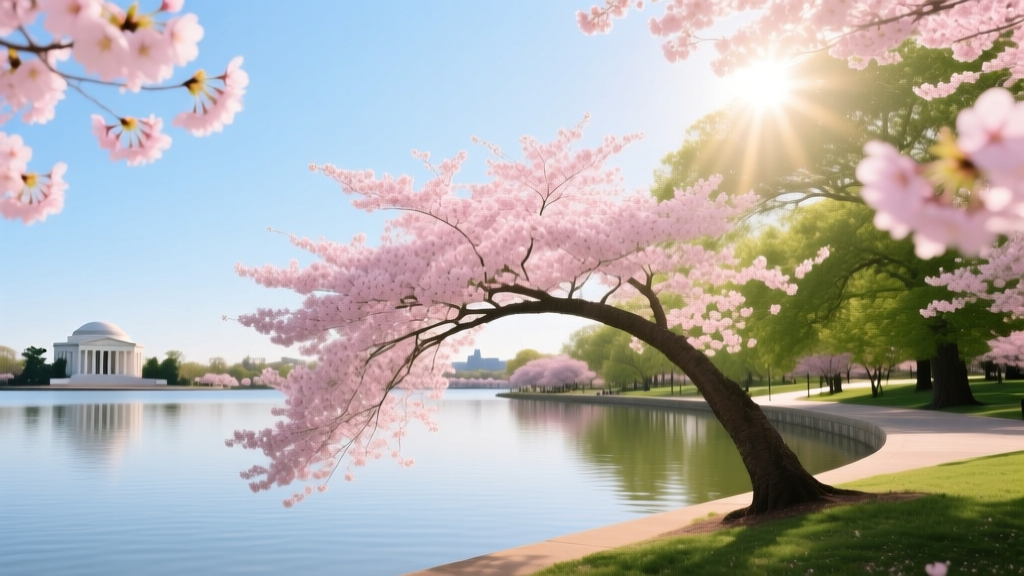
Cherry Blossom Trees in DC: Beginner Guide to Tidal Basin Varieties
The annual blooming of the Tidal Basin is a hallmark of spring in the nation's capital, drawing millions of visitors to witness the fleeting, cloud-like canopies of pink and white. For home gardeners, the desire to replicate this magic in their own backyards is a common pursuit. However, successfully establishing cherry blossom trees in DC requires more than just digging a hole and hoping for the best. The Mid-Atlantic climate, characterized by humid summers and heavy, compacted clay soils, presents unique challenges for these ornamental stone fruits.
This beginner-friendly guide breaks down the exact horticultural practices needed to grow the famous Tidal Basin varieties at home, from soil amendment strategies to precise pruning windows that prevent fatal bacterial infections.
The Two Stars of the Tidal Basin: Yoshino vs. Kwanzan
When the original 3,000 trees were gifted to the United States by Tokyo in 1912, they comprised a dozen varieties. Today, two dominant cultivars define the DC cherry blossom experience. Choosing between them depends on your yard's spatial constraints and your desired bloom timeline. According to the National Park Service, understanding their distinct growth habits is the first step in successful site selection.
| Feature | Yoshino (Prunus x yedoensis) | Kwanzan (Prunus serrulata 'Kanzan') |
|---|---|---|
| Bloom Time | Early Spring (Late March - Early April) | Mid-to-Late Spring (Mid-April) |
| Flower Type | Single, 5-petal, pale pink to white | Double, 10-20 petals, deep vibrant pink |
| Mature Size | 30-40 ft tall, 30-40 ft wide (Broad, spreading) | 25-30 ft tall, 25-30 ft wide (Vase-shaped, upright) |
| Fall Foliage | Yellow-bronze | Copper-orange to bronze |
| Best For | Large open lawns, shade provision | Street trees, narrower yards, patio borders |
Site Selection and Soil Prep for DC's Heavy Clay
The most common reason cherry blossom trees fail in the DC metro area is root asphyxiation. The region is dominated by the Cecil and Pamunkey soil series—dense, red-brown clays that drain poorly and harden like concrete during summer droughts. Cherry trees demand well-draining, slightly acidic soil (pH 6.0 to 6.5).
The Percolation Test Requirement
Before purchasing your tree, dig a test hole 12 inches deep and 12 inches wide. Fill it with water and let it drain completely. Fill it a second time and measure the drainage rate. If the water level drops less than 1 inch per hour, your soil is too compacted for a standard in-ground planting without significant amendment, or you must consider building a raised berm.
To amend heavy clay, avoid the outdated practice of simply mixing peat moss into the planting hole, which creates a 'bathtub effect' that traps water. Instead, excavate a planting area three times the width of the root ball and blend the native soil with 30% pine bark fines and 10% coarse compost. This creates macro-pores for oxygen exchange while maintaining the structural integrity of the native soil.
Planting Your Cherry Blossom: A Step-by-Step Framework
Proper planting depth is non-negotiable. Burying the root flare (the trunk's widening base) is a primary vector for Phytophthora root rot. Follow these precise measurements for B&B (balled and burlapped) or container-grown specimens:
- Locate the Root Flare: Brush away nursery soil from the top of the root ball until you see the first structural roots diverging from the trunk. This flare must sit 1.5 to 2 inches above the final grade level to account for soil settling.
- Dig the Hole: Dig 2.5 times wider than the root ball, but no deeper. The bottom of the hole should be undisturbed, solid native soil to prevent the heavy root ball from sinking over time.
- Remove the Burlap: Once the tree is centered in the hole, cut away all synthetic burlap and wire cages. Leaving wire cages restricts root expansion and causes girdling roots within 3 to 5 years.
- Backfill and Hydrate: Backfill with your amended soil mixture, tamping lightly with your hands (not your feet) to eliminate large air pockets. Water deeply with 15 gallons immediately after planting.
- Apply the 'Donut' Mulch: Apply 2 to 3 inches of hardwood mulch in a 3-foot radius around the tree. Keep the mulch exactly 3 inches away from the trunk base to prevent collar rot and vole habitation.
Seasonal Maintenance Calendar for Mid-Atlantic Growers
Maintaining ornamental cherries requires a shift from reactive gardening to proactive scheduling. The Clemson Home & Garden Information Center notes that stone fruits are highly susceptible to fungal pathogens when stressed by improper seasonal timing.
Spring (Post-Bloom)
Pruning Window: Prune immediately after petals drop. Never prune in winter; open wounds invite bacterial canker and silver leaf disease. Remove crossing branches and water sprouts using bypass pruners sterilized with 70% isopropyl alcohol between cuts.
Summer (Drought Management)
Watering: During July and August, provide 10 gallons of water per inch of trunk diameter weekly. Use a slow-release drip bag (like a Treegator) to ensure water penetrates the clay subsoil rather than running off the surface.
Fall (Fertilization)
Nutrient Load: Apply a low-nitrogen, high-phosphorus granular fertilizer (e.g., 5-10-10) in late September to promote root development without stimulating tender new growth that will be killed by early frosts.
Winter (Protection)
Trunk Guarding: Install a white plastic tree guard from the soil line up 18 inches to prevent sunscald (southwest injury) and protect the thin bark from foraging deer and meadow voles.
Troubleshooting Common DC Cherry Tree Pests and Diseases
Cherry trees are notoriously short-lived in urban environments, often declining after 20 to 25 years due to a compounding cycle of pest pressure and environmental stress. Early identification is critical.
- Peach Tree Borer (Synanthedon exitiosa): Look for oozing, gummy sap mixed with frass (sawdust-like excrement) at the soil line. Action: Apply a preventative permethrin trunk spray in late August, or use beneficial nematodes (Steinernema carpocapsae) as an organic soil drench.
- Cherry Leaf Spot (Blumeriella jaapii): Manifests as small purple spots on leaves that turn yellow and drop prematurely in early summer. Action: Rake and destroy all fallen leaves. Apply a chlorothalonil-based fungicide at petal fall and repeat every 14 days during wet springs.
- Tent Caterpillars: Webbed nests in branch crotches that defoliate sections of the canopy. Action: Prune out and destroy webbed branches early in the morning when caterpillars are clustered, or spray with Bacillus thuringiensis var. kurstaki (Btk).
Frequently Asked Questions
Can I grow a cherry blossom tree in a container on my DC patio?
Standard Yoshino and Kwanzan trees will quickly become root-bound and perish in containers. For patio growing, select dwarf or weeping cultivars specifically bred for confined spaces, such as the 'Snow Fountains' weeping cherry or the 'Kojo-no-mai' (Fuji cherry). Use a minimum 20-gallon fabric grow bag filled with a 50/50 mix of pine bark and high-quality potting soil to ensure adequate drainage.
Why isn't my tree blooming in the spring?
The most common cause of bloom failure in established trees is improper pruning. If you pruned your tree in late winter or early spring, you likely removed the flower buds, which form on one-year-old wood during the previous summer. Other culprits include excessive nitrogen fertilization (which promotes leaf growth at the expense of flowers) or a late spring freeze that killed the swollen buds before they could open.
How long do these trees typically live in a home landscape?
In the favorable, highly managed conditions of the Tidal Basin, Yoshinos can thrive for 60+ years. However, in a typical residential yard with compacted soil, lawn mower damage to the trunk, and competition from turfgrass, the average lifespan of a Kwanzan or Yoshino cherry is 20 to 30 years. Maximizing their lifespan requires strict adherence to the mulching and watering protocols outlined above.

