
Tree Care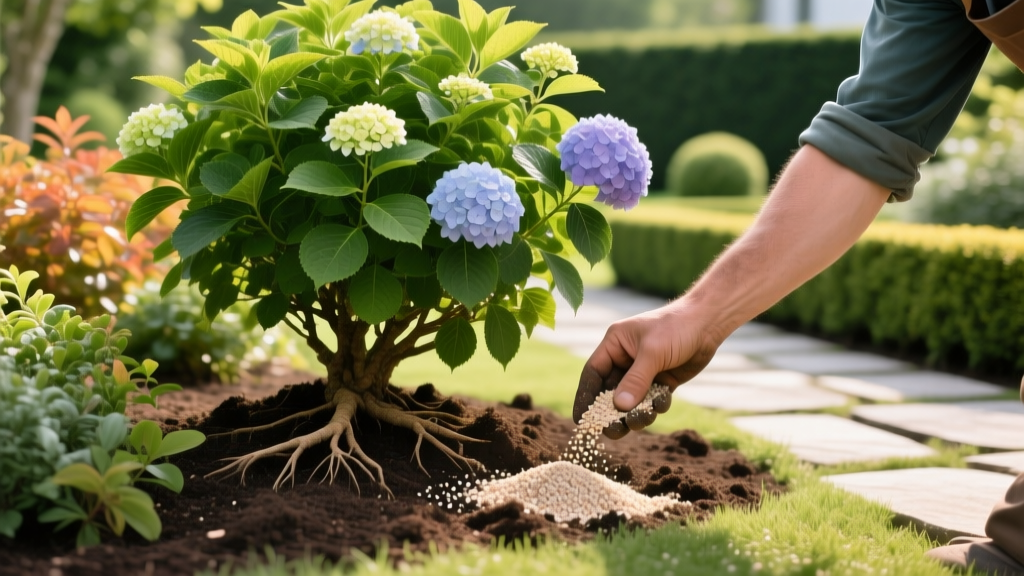
Best Fertilizer for Shrubs: NPK Ratios, Timing, and Top Picks
Applying the wrong fertilizer for shrubs is one of the most common and expensive landscaping mistakes homeowners make. Shrubs are not monolithic; an acid-loving azalea and an alkaline-preferring lilac have radically different nutritional requirements. Blindly broadcasting a generic 10-10-10 synthetic blend often leads to nutrient lockout, fertilizer burn, or excessive vegetative growth at the expense of blooms. To achieve optimal health, you must align your soil pH, NPK ratios, and application methods with the specific botanical needs of your shrub varieties.
The Prerequisite: Soil Testing Before Fertilizing
Before purchasing any fertilizer for shrubs, you must establish your baseline soil pH and nutrient levels. Soil pH dictates nutrient availability. If your soil pH is too high (alkaline), essential micronutrients like iron and manganese become chemically locked, leading to severe chlorosis (yellowing leaves with green veins) even if the soil is technically rich in nutrients.
Expert Insight: According to the University of Minnesota Extension, woody ornamentals established in undisturbed, high-organic-matter soils rarely require heavy macronutrient fertilization. The primary limiting factor in most residential landscapes is soil pH and micronutrient deficiency, not a lack of nitrogen.
Invest $15 to $30 in a laboratory soil test through your local university cooperative extension. Avoid cheap, single-use NPK color-dye test kits from hardware stores, as they lack the buffer pH readings necessary to calculate exact lime or sulfur amendment rates.
Decoding NPK Ratios for Specific Shrub Categories
The three numbers on a fertilizer bag represent Nitrogen (N), Phosphorus (P), and Potassium (K). Different shrub categories require distinct NPK profiles to thrive.
| Shrub Category | Target Soil pH | Ideal NPK Ratio | Key Micronutrients |
|---|---|---|---|
| Acid-Loving (Azaleas, Rhododendrons, Hydrangeas) | 4.5 - 6.0 | 4-3-4 or 4-5-3 | Iron, Manganese, Magnesium |
| Evergreen Privacy Hedges (Arborvitae, Boxwood, Yew) | 6.0 - 7.0 | 12-6-8 or 19-6-12 | Calcium, Sulfur |
| Flowering Deciduous (Lilacs, Forsythia, Spirea) | 6.5 - 7.5 | 5-10-5 or 10-10-10 | Phosphorus (for bud set), Boron |
Nitrogen drives vegetative leaf growth, Phosphorus supports root development and flower bud formation, and Potassium regulates water uptake and winter hardiness. Over-applying Nitrogen to flowering shrubs like lilacs will result in massive, lush green canopies with zero spring blooms.
Organic vs. Synthetic Fertilizer for Shrubs: A Decision Matrix
Choosing between organic and synthetic formulations depends on your soil biology goals and the immediate needs of your plants.
Organic Fertilizers (e.g., Espoma, FoxFarm)
- Pros: Low salt index (virtually impossible to burn roots), feeds soil microbiome, improves soil structure over time, slow-release over 2-4 months.
- Cons: Slower initial green-up, relies on microbial activity (ineffective in cold soils below 55°F), generally more expensive per pound of actual nitrogen.
Synthetic Fertilizers (e.g., Miracle-Gro, Osmocote)
- Pros: Immediate nutrient availability, highly predictable NPK delivery, cost-effective for large commercial hedges.
- Cons: High salt index can dehydrate and burn shallow feeder roots if over-applied, degrades soil organic matter over prolonged use, prone to leaching into groundwater.
Application Methods: Spikes, Granular, or Liquid?
The physical form of the fertilizer dictates how evenly nutrients reach the shrub's feeder roots, which primarily reside in the top 12 inches of soil and extend well beyond the drip line.
Warning on Fertilizer Spikes: Avoid using concentrated fertilizer spikes for shrubs. Spikes create intense, localized zones of high salt concentration that frequently cause root burn and fail to distribute nutrients evenly across the root zone. Penn State Extension specifically advises against spikes for shallow-rooted woody ornamentals.
- Granular (Broadcast): The gold standard for shrubs. Apply granular fertilizer evenly from the trunk out to 1.5 times the drip line. Use a calibrated handheld spreader for precise application rates (typically 1 to 2 cups per 10 square feet, depending on the brand).
- Liquid (Soil Drench or Foliar): Best used as a rapid-response treatment for acute micronutrient deficiencies. Chelated liquid iron applied as a foliar spray will green up chlorotic azalea leaves within 48 hours, whereas granular iron takes weeks.
- Controlled-Release Coated Granular: Resin-coated prills (like Osmocote) release nutrients based on soil temperature and moisture, providing a steady feed for 6 to 12 months without the risk of leaching.
Top 3 Fertilizer Formulations for Shrubs in 2026
1. Espoma Holly-Tone (4-3-4) - Best for Acid-Loving Shrubs
Holly-Tone is the industry benchmark for azaleas, rhododendrons, and hydrangeas. Its 4-3-4 NPK ratio is fortified with 5% sulfur to naturally lower soil pH, alongside Espoma's proprietary Bio-tone microbes. Application Rate: 1 cup per foot of branch spread. Estimated Cost: $18.00 for an 18 lb bag.
2. Osmocote Smart-Release Tree & Shrub (19-6-12) - Best for Evergreens
For arborvitae, boxwood, and junipers that require steady nitrogen for dense foliage, Osmocote's resin-coated prills prevent nutrient runoff. The 19-6-12 ratio provides heavy nitrogen for vegetative growth without sacrificing the potassium needed for winter frost tolerance. Application Rate: 3 tablespoons per 2 square feet of root zone. Estimated Cost: $25.00 for a 4.5 lb jug.
3. FoxFarm Happy Frog Acid Loving Plants (4-5-3) - Premium Organic Choice
This premium organic blend incorporates bat guano, earthworm castings, and humic acid. Crucially, it includes seven strains of beneficial mycorrhizal fungi, which form symbiotic relationships with shrub roots to expand their water and nutrient foraging capacity by up to 700%. Application Rate: 1/2 cup per gallon of container size, or 2 cups per 10 sq ft in-ground. Estimated Cost: $22.00 for a 4 lb bag.
Troubleshooting Fertilizer Burn and Nutrient Lockout
If you notice browning, crispy leaf margins or sudden leaf drop shortly after applying fertilizer, your shrub is likely experiencing osmotic shock (fertilizer burn). The excess salts in the soil are pulling water out of the root tissue.
Emergency Flush Protocol: Immediately apply 2 to 3 inches of water over the entire root zone using a slow-flowing sprinkler over a 24-hour period. This dilutes the salt concentration and pushes it below the active root zone. Do not apply any additional water or amendments for the next 7 days to allow the soil to drain and aerate.
Frequently Asked Questions
When is the best time to apply fertilizer for shrubs?
The optimal window is early spring, just as soil temperatures consistently reach 55°F and buds begin to swell. A secondary, lighter application can be made in late fall (after the first hard frost) to promote root development without stimulating vulnerable new top growth. Never fertilize shrubs during peak summer drought stress.
Can I use leftover lawn fertilizer on my shrubs?
No. Lawn fertilizers are heavily skewed toward Nitrogen (often 20-0-5 or higher) to push grass blades, which will cause weak, leggy growth in shrubs. More dangerously, many lawn fertilizers contain broadleaf herbicides like 2,4-D or Dicamba. Applying a 'weed-and-feed' lawn product near shrubs will cause severe leaf cupping, stunting, and potentially plant death, as shrubs are broadleaf plants.
How do I know if my shrub actually needs fertilizer?
Look for visual indicators: pale green or yellowing leaves (nitrogen or iron deficiency), stunted terminal twig growth, or premature fall coloration. If your shrubs are exhibiting normal dark green foliage and producing 6 to 12 inches of new terminal growth annually, additional fertilizer is unnecessary and may actually harm the plant by forcing unsustainable growth.

