
Tree Care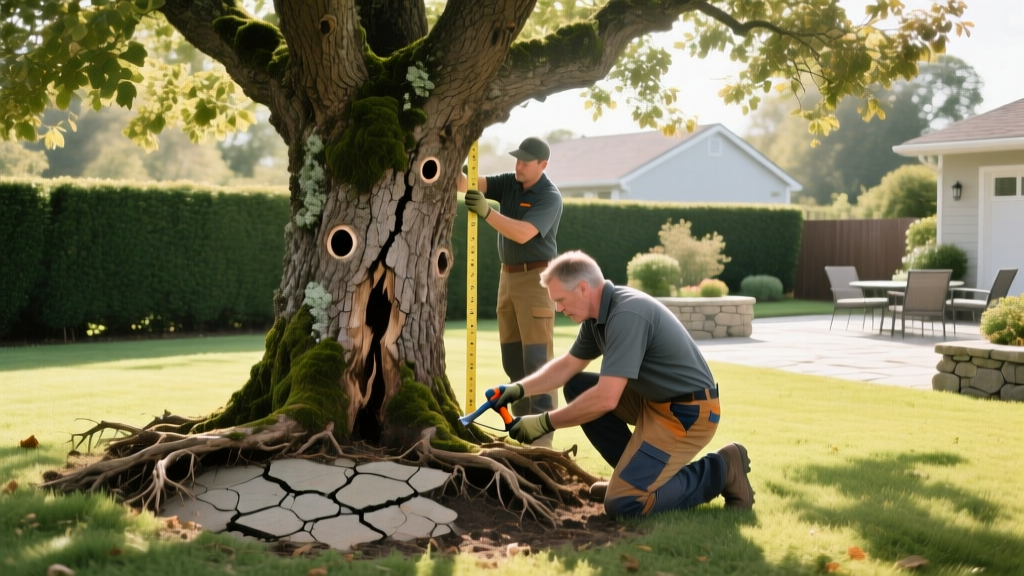
The Real Cost to Take Trees Down: Size, Species, and Hidden Fees
When a compromised or poorly placed tree threatens your property, understanding the financial commitment is the first step toward a safe resolution. The national average cost to take trees down sits at $875 in 2026, but this baseline figure is highly deceptive. Depending on trunk diameter, wood density, site accessibility, and local labor rates, final invoices can range from $250 for a small ornamental sapling to over $3,500 for a mature, multi-trunk canopy tree situated near power lines.
This guide bypasses generic estimates to provide a granular breakdown of tree removal pricing. We analyze the specific metrics arborists use to calculate bids, expose the hidden fees that inflate final bills, and clarify exactly when your homeowners insurance will foot the bill.
The Base Cost to Take Trees Down by Height and DBH
Arborists do not price jobs solely by how tall a tree is. The primary metric for calculating the base cost to take trees down is Diameter at Breast Height (DBH), measured 4.5 feet above the ground. A short, incredibly thick tree requires more heavy machinery, specialized felling techniques, and time to process than a tall, spindly pine.
| Tree Classification | Height Range | Average DBH | 2026 Base Removal Cost |
|---|---|---|---|
| Small / Ornamental | Under 30 ft | Under 12 inches | $250 – $550 |
| Medium Canopy | 30 – 60 ft | 12 – 24 inches | $600 – $1,200 |
| Large Shade Tree | 60 – 80 ft | 24 – 36 inches | $1,300 – $2,200 |
| Extra-Large / Mature | 80+ ft | 36+ inches | $2,500 – $4,500+ |
Estimator Tip: If you are measuring DBH yourself, wrap a tailor's tape measure around the trunk at chest height to get the circumference, then divide by 3.14 (Pi) to find the diameter. Providing this exact number to an arborist over the phone will yield a much tighter initial estimate than simply saying 'it's about two stories tall.'
Species-Specific Pricing Multipliers
Not all wood is created equal. The internal density, sap content, and branching structure of a tree species directly impact equipment wear-and-tear and the physical labor required. Arborists apply implicit or explicit multipliers to the base cost to take trees down based on the species.
High-Density Hardwoods (1.2x - 1.4x Multiplier)
Species like Live Oak, Hickory, and Ironwood are notoriously difficult to fell. Their dense fibers dull chainsaw chains rapidly, requiring crews to swap or sharpen chains multiple times during a single job. Furthermore, heavy hardwood logs require larger-capacity wood chippers and heavy-duty rigging ropes to prevent catastrophic snapping under tension.
Softwoods and Conifers (0.9x - 1.0x Multiplier)
Loblolly Pines, Spruce, and Fir are softer and easier to cut. However, they present a different challenge: pitch and sap. Pine resin clogs chipper blades and makes bark incredibly slippery, increasing the hazard factor for climbers. While the cutting is faster, the cleanup and equipment maintenance balance out the cost.
Palm Trees (1.1x Multiplier)
Palms do not have traditional wood; they are fibrous monocots. Standard chainsaws tear and bind in palm trunks. Crews must use specialized carbide-tipped saws or reciprocating saws. Additionally, the extreme top-heaviness of palms like the Washingtonia (Mexican Fan Palm) requires meticulous rigging to prevent the trunk from shattering upon impact with the ground.
Hidden Fees That Inflate Your Final Bill
The base quote to drop a tree rarely includes the complete site restoration. When reviewing contracts, scrutinize the line items for these common supplemental charges.
- Stump Grinding ($150 – $450): Felling the tree leaves a stump. Stump grinding is almost always an add-on service, priced either as a flat fee or at a rate of $3 to $5 per inch of stump diameter. Ensure the quote specifies grinding to a depth of at least 8 to 12 inches below grade if you plan to replant or lay sod.
- Crane Mobilization ($500 – $900): If a tree is located in a confined backyard with no clear drop zone, or leans heavily over a structure, a mobile crane is mandatory to dismantle the tree in controlled, rigged sections. Crane rental and a certified crane operator add significant daily costs.
- Debris Hauling and Disposal ($100 – $300): Some quotes include 'leave wood on site' or 'chip to mulch.' If you want all wood and chips completely removed from your property, landfill tipping fees and extra trucking hours will be passed on to you.
- Municipal Permits ($50 – $200): Many urban and suburban municipalities require a permit to remove trees over a certain DBH, especially native or heritage species. The arborist usually pulls this, but the fee is added to your invoice.
Does Homeowners Insurance Cover Tree Removal?
A common misconception is that homeowners insurance covers any tree removal. According to the Insurance Information Institute, coverage is strictly tied to the cause of the tree's failure and where it lands.
When Insurance WILL Pay:
- A healthy tree is knocked down by a named peril (hurricane, tornado, lightning, or severe ice storm).
- The fallen tree strikes a covered structure (your house, detached garage, or fenced driveway).
- The tree blocks a wheelchair-accessible ramp or your primary driveway.
- You want to proactively remove a dead, dying, or leaning tree (this is considered 'preventative maintenance').
- A tree falls during a storm but only lands on your open lawn or garden without hitting a structure.
- The tree was known to be diseased or rotten, and you failed to address it (negligence exclusion).
If a neighbor's tree falls on your house, your insurance policy covers the damage and removal, not the neighbor's, unless you can prove the neighbor was formally notified of the tree's hazard and ignored it.
DYI vs. Professional Removal: A Risk-Cost Matrix
Homeowners facing a $1,500 quote often consider renting a chainsaw and tackling the job themselves. The financial and physical risks of this decision are severe.
| Factor | DIY Removal | Professional Arborist |
|---|---|---|
| Direct Equipment Cost | $150 (Chainsaw rental) + $100 (PPE) | Included in quote |
| Insurance Liability | Personal liability if it hits neighbor's property | Covered by company's $1M+ general liability policy |
| Property Damage Risk | Extremely High (Uncontrolled felling) | Low (Rigging and directional notching) |
| Personal Injury Risk | Fatalities occur annually from 'widow-maker' branches | Mitigated by climbing spikes, harnesses, and helmets |
'Amateur tree felling is consistently ranked among the most dangerous DIY home improvement tasks. The physics of a falling 2,000-pound trunk, combined with the kickback zone of a gas chainsaw, leaves zero margin for error,' notes safety guidelines published by TreesAreGood.org, the consumer education portal of the International Society of Arboriculture (ISA).
How to Get Accurate Quotes and Avoid Scams
To ensure you are paying a fair market cost to take trees down, follow this strict vetting protocol when soliciting bids:
- Demand ISA Certification: Only hire arborists certified by the International Society of Arboriculture. 'Tree guys' with a truck and a ladder lack the biological and structural training to safely dismantle complex canopies.
- Verify Insurance Certificates: Do not accept a verbal promise. Require the company's insurance provider to email you a Certificate of Insurance (COI) proving both General Liability and Workers' Compensation are active. If an uninsured worker is injured on your property, you can be held financially liable for their medical bills.
- Get Three Itemized Bids: Pricing varies wildly based on a company's current backlog and equipment overhead. Obtain three written, itemized quotes. Discard the lowest bid if it is more than 30% below the others, as this often indicates a lack of proper insurance or an intent to hit you with hidden fees mid-job.
- Check for Utility Locates: If the tree is near the street or easements, ensure the contractor has called 811 to have underground utility lines marked before they bring heavy stump-grinding equipment to your yard.
By understanding the variables that dictate the cost to take trees down—from DBH measurements and species density to crane mobilization and insurance perils—you can negotiate confidently, avoid predatory contractors, and safely clear your property.

