
Tree Care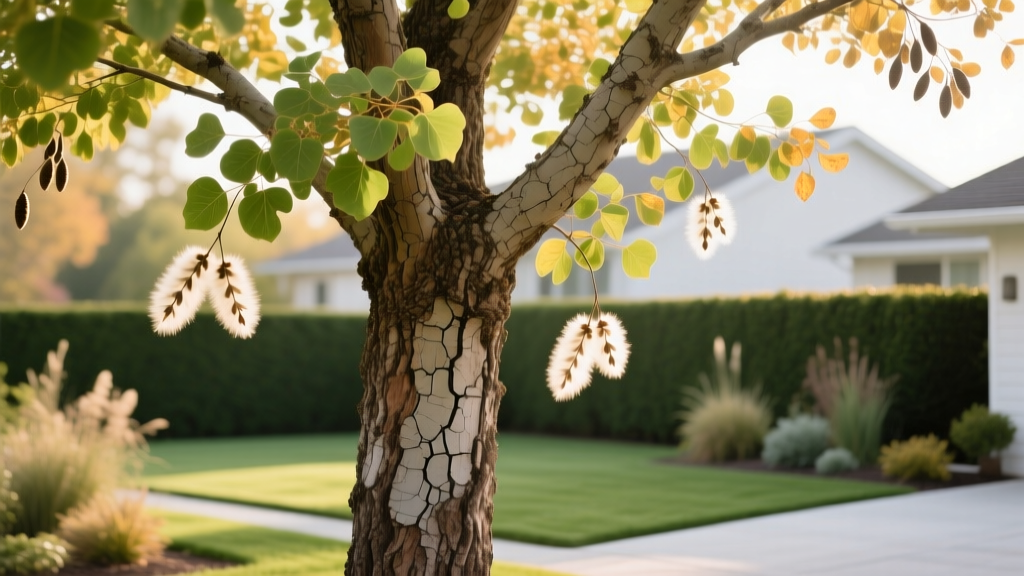
Cottonwood Tree Allergy: Diagnosis, Triggers, and Yard Solutions
The Great Cottonwood Myth: Pollen vs. Fluff
When suburban neighborhoods become blanketed in white drifts during late spring, millions of homeowners immediately blame the fluff for their sneezing, itchy eyes, and respiratory distress. However, a precise botanical diagnosis reveals a more complex reality. Cottonwood trees (Populus deltoides and related species) are dioecious, meaning individual trees are distinctly male or female.
Botanical Breakdown:
Male Trees: Produce the actual allergenic pollen in early-to-mid spring. The pollen is microscopic, windborne, and the primary trigger for immunological allergic reactions.
Female Trees: Produce the iconic cottony fluff in late spring to early summer. This fluff is a seed dispersal mechanism. While the fluff itself is rarely a true chemical allergen, it acts as a severe mechanical irritant to the mucous membranes and serves as a physical transport vector for concurrent spring allergens, including oak pollen, grass pollen, and mold spores.
Male Trees: Produce the actual allergenic pollen in early-to-mid spring. The pollen is microscopic, windborne, and the primary trigger for immunological allergic reactions.
Female Trees: Produce the iconic cottony fluff in late spring to early summer. This fluff is a seed dispersal mechanism. While the fluff itself is rarely a true chemical allergen, it acts as a severe mechanical irritant to the mucous membranes and serves as a physical transport vector for concurrent spring allergens, including oak pollen, grass pollen, and mold spores.
Understanding this distinction is critical for effective yard management. If your symptoms peak in April, the culprit is likely male cottonwood pollen or overlapping tree pollens. If your symptoms peak in June when the fluff is flying, you are likely experiencing mechanical irritation combined with a secondary allergy to the spores and pollens hitching a ride on the cotton. According to the American College of Allergy, Asthma, & Immunology (ACAAI), tree pollen seasons can vary significantly by hardiness zone, making precise timing essential for diagnosis.
Diagnosing Your Cottonwood Tree Allergy Symptoms
Before investing in expensive tree removal or air filtration systems, you must accurately map your symptom onset to the specific biological triggers present in your yard. Use the diagnostic matrix below to isolate the primary irritant.
| Trigger Source | Peak Season | Primary Symptom Profile | Targeted Management Strategy |
|---|---|---|---|
| Male Cottonwood Pollen | Early to Mid-Spring | Itchy eyes, violent sneezing, clear nasal drip | Pre-season antihistamines, dormant season pruning |
| Female Cottonwood Fluff | Late Spring to Early Summer | Mechanical throat tickle, skin irritation, dry cough | Wetting hardscapes, window sealing, yard cleanup |
| Concurrent Mold Spores | Late Spring (carried by fluff) | Wheezing, heavy chest congestion, fatigue | HEPA air purifiers, MERV 13 HVAC filters |
For definitive medical diagnosis, consult an allergist for a skin-prick test. The Asthma and Allergy Foundation of America (AAFA) recommends testing for specific regional tree pollens, as cross-reactivity between cottonwood, willow, and poplar species is highly common due to their shared Salicaceae family lineage.
Proven Yard Management Solutions
If you have identified cottonwood trees on or immediately adjacent to your property, strategic landscaping and arboriculture practices can drastically reduce your exposure without necessarily resorting to total removal.
Strategic Pruning and Canopy Reduction
For male trees producing pollen, reducing the overall canopy volume directly decreases the biological surface area available for catkin (flower) development. Hire an ISA Certified Arborist to perform a crown reduction during the late winter dormant season (January to early February, depending on your USDA zone).
- Technique: Target lateral branches that exceed 2 inches in diameter, making cuts just outside the branch collar. Never "top" the tree, as this induces stress-response watersprouts that will produce even more pollen the following year.
- Cost Expectation: Professional dormant pruning for a mature 50-foot cottonwood typically ranges from $450 to $900, depending on regional labor rates and canopy accessibility.
The "Wet-and-Weigh" Irrigation Tactic
When female trees drop their cotton, the fluff becomes highly mobile in dry, windy conditions. To ground the fluff and prevent it from entering your home's HVAC intake or bedroom windows, utilize a targeted wetting strategy.
- Run an oscillating sprinkler over hardscapes, driveways, and the lawn immediately downwind of the tree for 10 minutes each morning during peak fluff season.
- The moisture increases the surface tension and weight of the cotton, pinning it to the ground.
- Use a leaf blower on a low setting or a stiff push broom to gather the wet clumps for composting or municipal yard waste disposal before they can dry out and re-aerate.
When to Consider Professional Tree Removal
If a cottonwood tree is located within 30 feet of your primary HVAC air intake, your bedroom windows, or your main outdoor living space, removal may be the only viable long-term solution for severe allergy sufferers. As of 2026, the national average cost for removing a mature cottonwood depends heavily on the Diameter at Breast Height (DBH):
- 20-inch DBH (Medium): $800 – $1,400
- 40-inch DBH (Large/Mature): $1,800 – $3,500
- Stump Grinding: Add $3 to $5 per inch of stump diameter to prevent root-suckering, which is a notorious issue with Populus species.
Warning on Replanting: If you remove a cottonwood, do not replace it with another wind-pollinated species like Oak, Birch, or Ash. Opt for insect-pollinated, low-allergen alternatives such as Cornus florida (Flowering Dogwood), Magnolia grandiflora, or fruit-bearing trees like Plum and Cherry, which produce heavy, sticky pollen that does not become airborne.
Indoor Air Defense Systems
Yard management must be paired with rigorous indoor air filtration, as cottonwood pollen grains (approximately 25-35 microns in diameter) and the smaller mold spores they carry can easily infiltrate standard window screens and door seals.
HVAC Filter Upgrades
Upgrade your central HVAC system to a MERV 13 rated filter (such as the Filtrete 1900 series, approx. $22 per filter). MERV 13 filters are engineered to capture particles as small as 0.3 to 1.0 microns, easily trapping cottonwood pollen and associated mold spores.
Expert Maintenance Tip: During peak cottonwood season, the high volume of airborne debris will clog a MERV 13 filter in roughly 45 to 60 days, causing a severe pressure drop that can freeze your AC evaporator coil. Inspect the filter monthly and replace it immediately if it appears gray or restricted, rather than waiting for the standard 90-day interval.
Standalone HEPA Purifiers
For bedrooms and primary living areas, deploy a standalone True HEPA air purifier. Look for units with a high Clean Air Delivery Rate (CADR) for pollen. Two highly effective, field-tested models include:
- Coway Airmega AP-1512HH Mighty: Retailing around $230, this unit features a 361 sq. ft. coverage area and a pollen CADR of 246. Its pre-filter effectively catches the larger cottonwood fluff before it reaches the expensive inner HEPA filter.
- Levoit Core 400S: Priced near $200, this smart-enabled unit offers a 403 sq. ft. coverage and allows you to monitor real-time PM2.5 particulate levels via a smartphone app, giving you exact data on when indoor allergen spikes occur.
By combining precise botanical diagnosis, strategic arboriculture, and targeted air filtration, you can effectively neutralize the impact of cottonwood trees on your property and reclaim your outdoor and indoor spaces during the spring and early summer months.

