
Tree Care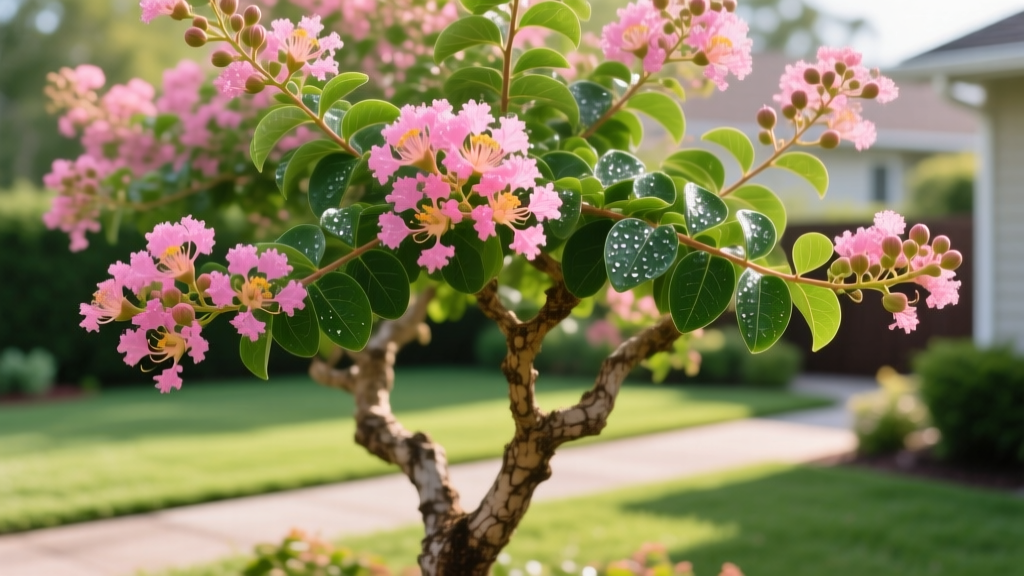
Crape Myrtle or Crepe Myrtle: A Beginner's Planting and Care Guide
The Spelling Debate: Crape vs. Crepe Myrtle
If you have ever stood in a garden center staring at plant tags, you have likely asked yourself: is it a crape myrtle or crepe myrtle? The short answer is that both spellings are widely used, but crape myrtle is the botanically preferred term. The name references the crinkled, textured appearance of the flower petals, which resemble crape paper. While "crepe" is a common phonetic misspelling that has stuck around in casual gardening circles, horticulturists and university extension offices predominantly use "crape."
Beyond the spelling debate, Lagerstroemia indica (and its hybrids) remains one of the most resilient, long-blooming, and structurally beautiful deciduous trees for USDA Hardiness Zones 6 through 9. However, their reputation for being "easy to grow" often leads beginners to neglect critical planting and pruning protocols, resulting in stunted growth, powdery mildew, and the infamous "crape murder." This guide provides the exact specifications you need to establish and maintain a thriving specimen.
Selecting the Right Cultivar for Your Landscape
The most common mistake beginners make is buying a generic, unnamed crape myrtle that eventually grows 30 feet tall and blocks their second-story windows. Modern breeding programs, particularly those from the U.S. National Arboretum, have developed hybrids with specific mature heights, bark characteristics, and disease resistance. According to Clemson University Extension, selecting a cultivar with high resistance to powdery mildew is non-negotiable in humid climates.
| Cultivar Name | Bloom Color | Mature Height | Mildew Resistance | Best Use Case |
|---|---|---|---|---|
| Natchez | White | 20–30 ft | Excellent | Large shade tree, street planting |
| Tuscarora | Dark Coral Pink | 15–20 ft | Excellent | Mid-sized yard specimen |
| Dynamite | Cherry Red | 15–20 ft | Moderate | Focal point, color contrast |
| Pocomoke | Deep Rose Pink | 3–5 ft | Moderate | Foundation planting, low borders |
| Acoma | White | 10–15 ft | Excellent | Small patios, under power lines |
Step-by-Step Planting Protocol
Crape myrtles demand full sun (a minimum of 6 to 8 hours of direct, unfiltered sunlight daily) to produce dense blooms and resist fungal pathogens. Planting them in partial shade is a primary trigger for powdery mildew infections.
1. Soil Preparation and pH Testing
These trees thrive in slightly acidic soil. Test your soil before planting; the ideal pH range is between 5.0 and 6.5. If your soil is highly alkaline (pH above 7.0), the tree will suffer from iron chlorosis, manifesting as yellowing leaves with dark green veins. Amend alkaline soil with elemental sulfur or use a chelated iron fertilizer if planting in high-pH zones.
2. Digging and Root Flare Placement
Dig a hole that is twice as wide as the root ball but no deeper. The most critical metric in tree planting is the root flare—the point where the trunk widens and transitions into roots. The root flare must sit 1 to 2 inches above the surrounding soil grade. Planting too deep suffocates the root system and invites trunk rot.
Warning: Avoid Volcano Mulching
Never pile mulch against the trunk of your crape myrtle. Apply a 2-to-3-inch layer of organic mulch (like pine bark or wood chips) in a wide ring around the base, but pull it back 3 inches from the trunk itself. Mulch touching the bark traps moisture, leading to fungal cankers and encouraging girdling roots.
3. Watering Schedule for Establishment
For the first 60 days, water deeply twice a week. A newly planted 15-gallon crape myrtle requires approximately 10 to 15 gallons of water per session to ensure the moisture penetrates the entire root ball. After the first year, they are exceptionally drought-tolerant and rarely require supplemental irrigation.
Pruning Without Committing "Crape Murder"
"Crape murder" refers to the severe, indiscriminate topping of crape myrtle trunks, a practice that leaves behind ugly, knobby stubs. Topping destroys the tree's natural architecture, forces the growth of weak, spindly shoots that cannot support the weight of blooms, and actually reduces the total number of flowers produced. For a deeper look into proper structural pruning, refer to the NC State Extension plant database.
The Correct Pruning Method
Prune only in late winter (February to early March) while the tree is fully dormant. Never prune in late fall, as this can stimulate new growth that will be killed by early freezes.
- Step 1: Remove any dead, diseased, or broken wood back to the branch collar.
- Step 2: Eliminate "suckers"—the small, vigorous shoots growing from the base of the trunk or the root system.
- Step 3: Identify and remove crossing or rubbing branches. Choose the stronger, better-angled branch and remove the competing one.
- Step 4: Thin out the interior canopy to allow air circulation, which is vital for preventing fungal diseases. Use the "pencil rule": remove any lateral branches smaller than the diameter of a pencil.
Pro Tip: Seed Head Removal
While not strictly necessary for the tree's health, snapping off the spent seed heads in late summer can encourage a second, smaller flush of blooms in early autumn. Simply snap them off by hand where the flower cluster meets the stem.
Pest and Disease Troubleshooting Matrix
Even well-maintained crape myrtles can fall victim to specific regional pests. Here is a diagnostic framework to identify and treat the two most common threats.
Symptom: White, Waxy Spots on the Bark
Diagnosis: Crape Myrtle Bark Scale (CMBS). First identified in the U.S. around 2010, this invasive insect sucks sap from the phloem, excreting a sticky honeydew that leads to black sooty mold on the trunk and leaves.
Action Plan: Do not rely on contact insecticides, as the waxy scale protects them. Apply a systemic insecticide containing dinotefuran as a soil drench in early spring (April). For immediate suppression of heavy infestations, scrub the trunk with a soft brush and apply a 2% to 4% horticultural oil spray during the dormant season.
Symptom: White, Powdery Coating on New Leaves
Diagnosis: Powdery Mildew (Erysiphe lagerstroemiae). This fungus thrives in high humidity and poor air circulation, causing new leaves to curl, distort, and drop prematurely.
Action Plan: Prevention via cultivar selection (see table above) is the most effective strategy. If an established tree is infected, apply a fungicide containing myclobutanil or chlorothalonil at the first sign of symptoms in spring. Improve air circulation by selectively thinning the canopy during the next winter pruning cycle.
Symptom: Leaves Turning Yellow with Green Veins
Diagnosis: Iron Chlorosis, typically caused by high soil pH rather than a lack of iron in the soil.
Action Plan: Apply a chelated iron foliar spray for immediate, short-term greening. For a long-term fix, lower the soil pH by incorporating elemental sulfur into the root zone based on your soil test recommendations.

