
Tree Care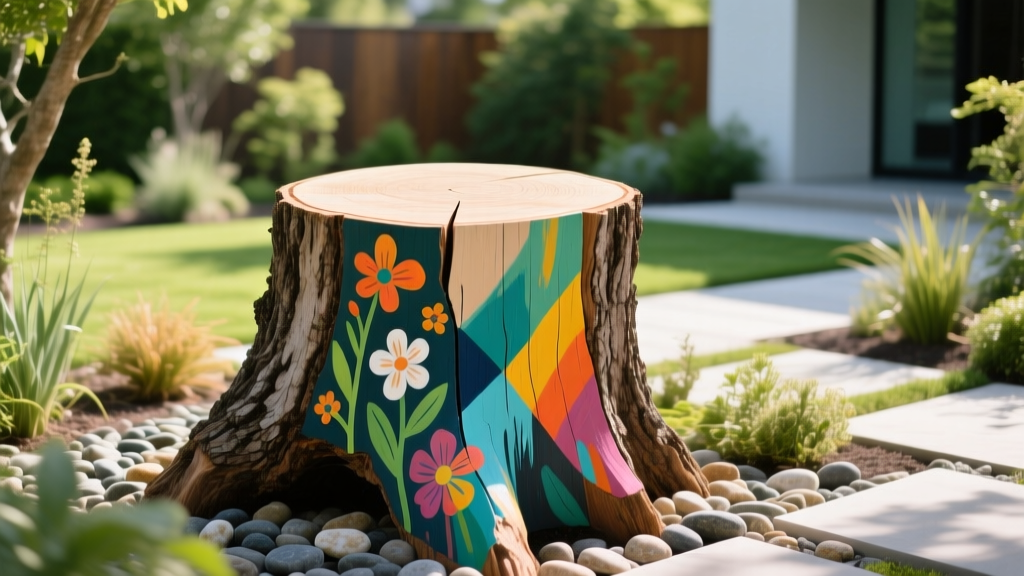
Creative Tree Stump Decor: Transform Yard Waste into Landscape Art
The Economics of Stump Upcycling vs. Grinding
When a tree is removed, homeowners are typically left with a stubborn stump and an immediate decision: pay for grinding or leave it. Professional stump grinding averages $3 to $5 per inch of diameter in 2026. A standard 24-inch oak stump will cost between $75 and $120 to grind, leaving behind a massive pile of woodchips and a depression in the soil that requires grading and topsoil replacement. By pivoting to tree stump decor, you not only eliminate the grinding expense but also integrate a permanent, natural hardscape feature into your landscape design.
However, not every stump is a viable candidate for decoration. The structural integrity of the remaining cambium and heartwood dictates whether your stump will serve as a lasting planter and seating area, or become a collapsing hazard and pest harbor. According to University of Minnesota Extension, the decay rate of a stump is heavily influenced by the tree species and local moisture levels, meaning preparation is just as critical as the aesthetic design.
Stump Assessment Matrix: Decorate or Destroy?
Before purchasing sealants or carving tools, evaluate your stump using this diagnostic framework. Strike the base with a rubber mallet; a dull thud indicates internal rot, while a sharp, resonant bounce indicates solid heartwood.
| Stump Condition | Visual Indicators | Recommended Action | Expected Lifespan |
|---|---|---|---|
| Solid Heartwood | Bark firmly attached, no fungal conks, mallet bounce | Decorate & Seal | 10–15+ Years |
| Early Stage Decay | Bark slipping, minor insect galleries, soft outer rings | Harden & Cap | 5–8 Years |
| Advanced Brown Rot | Fruiting bodies (mushrooms), spongy wood, soil sinking at base | Grind & Remove | Unsafe for Decor |
| Active Infestation | Fresh frass (sawdust), large carpenter ant trails, exit holes | Treat or Remove | Requires Borate Treatment |
High-Impact Tree Stump Decor Projects
1. The Living Basin Planter (Succulents & Ferns)
Hollowing out a stump creates a microclimate perfect for shade-loving ferns or drought-tolerant succulents, depending on sun exposure. The critical failure point in stump planters is water pooling at the base, which accelerates internal rot and drowns roots.
- Carve the Basin: Use a compact chainsaw (like the Makita XCU03 18V) to make a grid of plunge cuts 6 inches deep, leaving a 2-inch thick outer wall. Knock out the blocks with a steel mallet and 2-inch wood chisel.
- Drill Drainage: Using a 3/4-inch Irwin Forstner bit, drill 4 to 6 drainage holes through the bottom of the basin at a 15-degree downward angle. This prevents water from capillary-wicking back into the heartwood.
- Line and Fill: Line the cavity with heavy-duty landscaping fabric. Fill the bottom 2 inches with coarse pumice or perlite for drainage, then top with a peat-free potting mix. Avoid standard garden soil, which compacts and retains excessive moisture against the wood.
2. Rustic Outdoor Seating (Sealed & Capped)
If the stump is between 18 and 24 inches in diameter and cut relatively level, it can serve as heavy-duty garden seating. The goal is to protect the end-grain from absorbing rainwater like a sponge.
- Preparation: Sand the top surface starting with 40-grit and moving to 120-grit to smooth chainsaw kerf marks.
- Penetrating Sealer: Apply two coats of a penetrating epoxy sealer, such as TotalBoat Clear Penetrating Epoxy Sealer (CPES). Unlike surface film finishes that peel and trap moisture, CPES sinks deep into the wood fibers and hardens, effectively turning the top layer of wood into a moisture-proof plastic barrier.
- Capping: For a premium finish, mount a 2-inch thick live-edge cedar or black locust slab on top using 3/8-inch stainless steel lag screws driven through the stump and into the slab.
3. Illuminated Pathway Markers
For stumps lining a walkway, integrate low-voltage or solar lighting. Route a shallow 1/2-inch channel down the side of the stump using a router to hide wiring. Mount brass well-lights or solar puck lights directly into the top surface using a hole saw. Ensure all electrical connections are sealed with marine-grade heat shrink tubing to prevent short circuits from morning dew and irrigation overspray.
The Science of Wood Preservation and Pest Deterrence
A decorated stump is essentially a dead, stationary piece of organic matter sitting in damp soil—the exact environment that attracts wood-destroying organisms. As noted by University of Kentucky Entomology, wood-boring insects and subterranean termites are constantly foraging for cellulose. Leaving a stump untreated is an invitation for pests that could eventually migrate to your home's structural timbers.
⚠️ CRITICAL FOUNDATION WARNING: Never decorate or preserve a tree stump that is located within 15 feet of your home's foundation, wooden decks, or siding. Even heavily treated stumps can serve as a 'bridge' or secondary food source for subterranean termites. If the stump is too close to the house, bypass decor and hire a professional to grind it below grade.
The Borate Treatment Protocol
To protect your stump long-term, treat the exposed wood and the soil immediately surrounding the base with a borate-based preservative like Bora-Care (disodium octaborate tetrahydrate). Borates are highly toxic to termites, carpenter ants, and powderpost beetles, but remain relatively safe for mammals and the broader soil microbiome when applied correctly.
- Mixing: Dilute the borate solution 1:1 with water for unsealed wood.
- Application: Spray the solution heavily onto the sides of the stump and the soil within a 2-foot radius. The borate will diffuse into the damp wood up to 4 inches deep over the course of 30 days.
- Frequency: Reapply to the soil perimeter every 3 years, or whenever you notice fresh ant activity near the base.
Project Budget & Tool Requirements
Upcycling a stump requires an initial investment in tools and chemicals, but it pays for itself compared to professional grinding and hardscape replacement.
| Item / Material | Estimated Cost (2026) | Purpose |
|---|---|---|
| Professional Stump Grinding (24'') | $95 - $130 | Alternative removal method |
| TotalBoat CPES Epoxy Sealer (Quart) | $45 - $55 | End-grain waterproofing |
| Bora-Care Borate Treatment (Gallon) | $85 - $100 | Termite and borer prevention |
| 3/4'' Forstner Drill Bit Set | $20 - $30 | Planter drainage holes |
| Landscaping Fabric & Pumice | $25 - $40 | Planter lining and drainage base |
Frequently Asked Questions
How long will a decorated tree stump last in the yard?
A solid hardwood stump (like White Oak or Black Locust) that has been properly sealed on the top and treated with borates can last 10 to 15 years. Softwoods (like Pine or Spruce) or stumps in constantly shaded, damp environments may begin to structurally fail in 5 to 7 years, even with treatment.
Should I dig up the roots when decorating the stump?
No. Leave the root system intact. As the roots slowly decay underground over the next 10 to 20 years, they create channels that improve soil aeration and water infiltration, while feeding beneficial mycorrhizal fungi. Digging up roots disrupts the surrounding soil structure and damages the root zones of adjacent, healthy trees.
Can I grow edible plants in a stump planter?
It is not recommended. Stumps can harbor specific fungal pathogens or heavy metals depending on the tree species and prior soil treatments. Additionally, the borate treatments required to keep the stump from rotting and attracting pests can leach into the soil over time. Stick to ornamental plants, succulents, ferns, and mosses for your tree stump decor planters.

