
Tree Care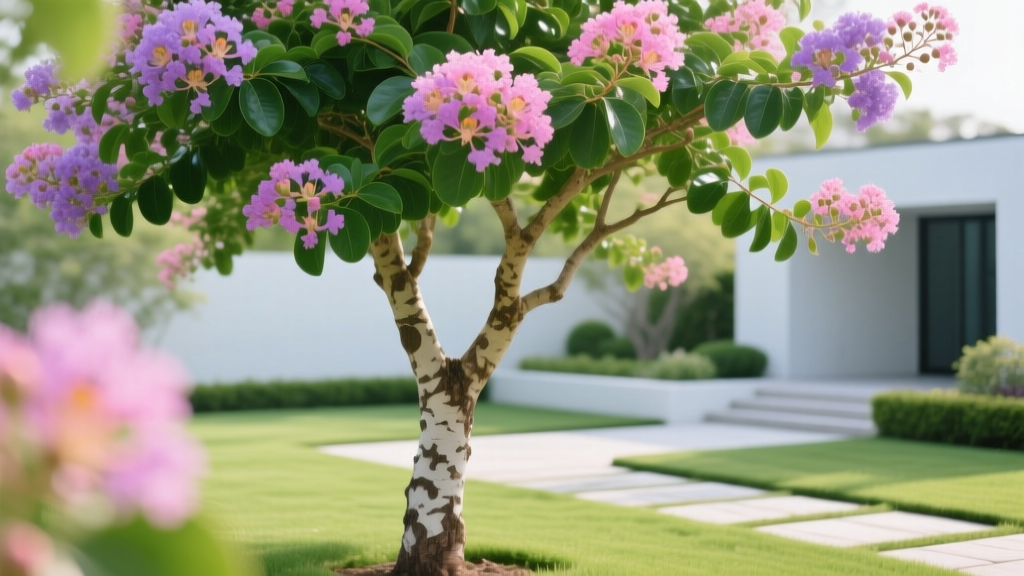
Crep Myrtle Trees: A Beginner's Guide to Planting and Care
Why Choose Crep Myrtle Trees for Your Landscape?
Often searched by home gardeners as crep myrtle trees (and formally known in horticulture as crape or crepe myrtles), Lagerstroemia species are undisputed champions of the summer landscape. For beginners, these trees offer an unmatched combination of vibrant, long-lasting floral displays, striking exfoliating bark, and exceptional heat tolerance. Unlike many flowering trees that bloom for a fleeting two weeks in spring, a well-sited myrtle will produce dense flower panicles for 90 to 120 days, typically from early June through September.
🌿 The Spelling Quirk: Whether you call them crep, crape, or crepe myrtles, you are referring to the exact same genus. The National Arboretum and university extensions typically use 'crape myrtle,' but all three spellings point to the same resilient Lagerstroemia hybrids.
Beyond their flowers, modern breeding programs have developed varieties with high resistance to powdery mildew and Cercospora leaf spot, drastically reducing the maintenance required for novice gardeners. When matched to the correct USDA Hardiness Zone (primarily zones 7 through 9), these trees require minimal supplemental watering once established.
Selecting the Right Cultivar for Your Yard
The most frequent mistake beginners make is planting a cultivar that outgrows its space, leading to severe and damaging pruning later. The U.S. National Arboretum's breeding program, spearheaded by Dr. Donald Egolf, released dozens of disease-resistant hybrids named after Native American tribes. Choosing the right mature size for your specific landscape zone is critical.
| Cultivar | Mature Height | Flower Color | Best Use Case |
|---|---|---|---|
| Natchez | 25–30 ft | White | Street trees, large shade canopies |
| Dynamite | 15–20 ft | Cherry Red | Focal points, patio borders |
| Tuscarora | 15–20 ft | Dark Coral Pink | Privacy screens, property lines |
| Pocomoke | 3–5 ft | Deep Rose Pink | Foundation plantings, small beds |
Step-by-Step Planting Specifications
Proper installation dictates the next 20 years of your tree's health. According to Clemson University's Home & Garden Information Center, myrtles demand full sun (minimum 6 hours of direct, unfiltered light) and well-draining soil with a slightly acidic pH between 5.0 and 6.5.
- Test and Amend Soil pH: Use a digital soil probe. If your pH is above 7.0, incorporate elemental sulfur at a rate of 1 pound per 100 square feet to lower it. Alkaline soil causes iron chlorosis, resulting in yellowing leaves with green veins.
- Dig the Hole Correctly: The hole must be 2 to 3 times wider than the nursery container, but no deeper. The root flare (where the trunk widens at the base) must sit 1 to 2 inches above the surrounding soil grade. Planting too deep is the number one cause of transplant failure and trunk rot.
- Backfill and Water: Backfill with the native soil you just dug out. Do not add rich potting mix or compost to the hole, as this creates a 'bathtub effect' that traps water and rots roots. Water deeply with 10–15 gallons immediately after planting.
- Mulch in a Donut Shape: Apply 2 to 3 inches of pine bark mulch over the root zone, but keep it 3 inches away from the trunk base. Volcano mulching against the trunk invites fungal pathogens and rodent damage.
The Golden Rule of Pruning: Avoiding 'Crepe Murder'
The term 'crepe murder' refers to the aggressive, indiscriminate topping of myrtle trees, leaving behind ugly, thick knuckles and weak, spindly water sprouts. This practice ruins the tree's natural architectural beauty, delays blooming by up to a month, and drastically increases susceptibility to powdery mildew by reducing air circulation.
The 'Pencil Rule' for Late Winter Pruning
Instead of topping, perform structural pruning in late February or early March before bud break. Use the pencil rule: only remove branches that are thinner than the diameter of a standard wooden pencil. Focus your cuts on:
- Crossing Branches: Remove branches that rub against each other to prevent bark wounds.
- Inward Growth: Cut branches growing toward the center of the canopy to maintain an open, vase-like shape that allows sunlight and airflow.
- Basal Suckers: Snap off or prune any shoots emerging from the root base or lower trunk flush with the bark.
⚠️ Pruning Cut Mechanics: When making a reduction cut, always slice at a 45-degree angle exactly 1/4 inch above an outward-facing bud. Cutting too far above the bud leaves a dead stub; cutting too close damages the bud tissue.
Fertilization and Disease Management
Mature crep myrtle trees are light feeders. Over-fertilizing, particularly with high-nitrogen lawn fertilizers, promotes excessive leafy growth at the expense of flowers and makes the tree highly vulnerable to aphid infestations.
Apply a balanced, slow-release granular fertilizer (such as an 8-8-8 or 10-10-10 NPK ratio) in early spring just as buds begin to swell. The University of Florida IFAS Extension recommends applying no more than 1 pound of actual nitrogen per 1,000 square feet of root zone. Broadcast the fertilizer evenly under the canopy drip line, keeping it 6 inches away from the trunk.
Managing Powdery Mildew
If you have an older, susceptible variety (like the classic 'Carolina Beauty'), powdery mildew can coat new shoots in a white, powdery fungus, causing leaves to curl and drop. Prevent this by ensuring full sun exposure and proper pruning. If an outbreak occurs during humid spring weather, treat the foliage with a fungicide containing myclobutanil or propiconazole at the first sign of white spotting, repeating every 14 days until the weather dries out.
Frequently Asked Questions
Do I need to deadhead the spent flower clusters?
No. While some gardeners snip off the brown seed pods in late summer to encourage a second, smaller flush of blooms, it is not biologically necessary. Leaving the seed heads provides winter interest and food for foraging birds like goldfinches and chickadees.
Why is my tree's bark peeling off in large strips?
Do not panic—this is a sign of a healthy, maturing tree. Species like 'Natchez' and 'Fantasy' are prized specifically for their exfoliating bark. As the tree grows, the outer gray bark sloughs off to reveal stunning inner layers of cinnamon, cream, and pale green.
Can I plant a myrtle tree near my home's foundation?
Only if you select a true dwarf cultivar like 'Pocomoke' or 'Chickasaw'. Standard varieties have expansive, shallow root systems that can heave nearby sidewalks or interfere with shallow foundation drains if planted closer than 10 feet to the structure.

