
Tree Care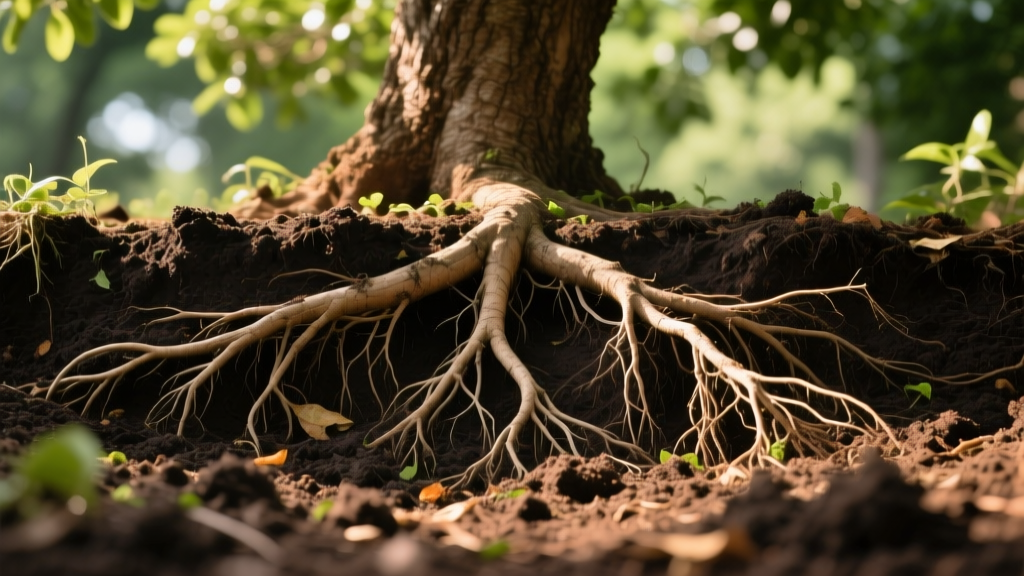
The Crepe Myrtle Tree Root System: Planting Depth & Invasive Facts
Homeowners frequently choose Lagerstroemia (crepe myrtle) for its vibrant summer blooms and striking winter bark, but underground concerns often halt the planting process. The most common question we receive at LawnsGuide is whether the crepe myrtle tree root system will damage foundations, sidewalks, or underground plumbing. Understanding the biological behavior of these roots is the first step toward a thriving, hazard-free landscape.
Anatomy of a Crepe Myrtle Tree Root System
Unlike deep-rooted species such as oaks or hickories that rely on a massive central taproot, crepe myrtles develop a shallow, fibrous root network. When first planted from a nursery container, the tree may exhibit a temporary taproot, but as it matures, this gives way to a sprawling, lateral system designed to capture surface moisture and nutrients.
Quick Root Facts:
- Depth: The vast majority of the root mass resides in the top 12 to 24 inches of soil.
- Spread: Roots typically extend 1.5 to 2 times the width of the tree’s canopy drip line.
- Structure: Highly fibrous and dense, lacking thick, aggressive structural roots near the trunk base.
Because this species thrives in well-draining soil, heavy clay environments can force the roots even closer to the surface in search of oxygen. According to the University of Florida IFAS Extension, soil compaction is the primary driver for surface-level root exposure in urban landscapes. If your yard features dense clay, incorporating a 3-inch layer of organic mulch out to the drip line will regulate soil temperature and prevent the roots from pushing upward through the topsoil.
Are Crepe Myrtle Roots Invasive?
The short answer is no. The crepe myrtle tree root system is classified as non-invasive. Invasive roots are typically characterized by their aggressive search for water, which leads them to infiltrate sewer lines and heave concrete. Crepe myrtles lack the sheer hydraulic force and structural thickness required to crack intact foundations or crush PVC piping.
However, if your underground plumbing already has pre-existing cracks or loose joints, any tree's roots will eventually exploit that moisture source. To illustrate how crepe myrtles compare to truly problematic species, review the structural risk matrix below.
| Tree Species | Root Aggressiveness | Hardscape Risk Level | Safe Distance to Foundation |
|---|---|---|---|
| Crepe Myrtle | Low (Fibrous, non-seeking) | Minimal | 6 to 8 feet |
| Weeping Willow | Extreme (Water-seeking) | Severe | 50+ feet |
| Silver Maple | High (Surface heaving) | High | 20 to 30 feet |
| Ficus (Fig) | Extreme (Structural cracking) | Severe | 30+ feet |
Exact Planting Distances for Hardscapes and Utilities
While the roots will not actively destroy your property, planting too close to structures creates maintenance headaches. As the trunk matures, it undergoes secondary growth, expanding in girth. If planted flush against a fence or wall, the trunk itself will eventually press against the structure.
Minimum Clearance Guidelines
- House Foundations: Plant at least 6 to 8 feet away. This allows for canopy airflow, reducing powdery mildew on the leaves, and prevents trunk rubbing.
- Sidewalks and Driveways: Maintain a 4 to 5-foot buffer. While the roots won't heave the concrete, falling sap and flower debris can stain paved surfaces if the canopy overhangs too closely.
- Sewer Lines and Septic Tanks: Keep a minimum distance of 10 feet. Though non-invasive, roots will naturally gravitate toward the nutrient-rich, moist soil surrounding leach fields.
- Overhead Power Lines: Select dwarf varieties (like 'Pocomoke' or 'Chickasaw') that max out at 5 to 7 feet tall if planting directly under utility lines. Standard varieties can reach 25 feet and will require aggressive, damaging pruning if planted below wires.
Utility Warning: Always call 811 before digging your planting hole. This free service marks underground gas, water, and electrical lines, preventing catastrophic damage and personal injury.
Troubleshooting Surface Roots and Suckers
Beginners often mistake root suckers for surface roots. Suckers are thin, vertical shoots that sprout directly from the root collar or shallow lateral roots near the base of the trunk. According to Clemson University Cooperative Extension, excessive suckering is a biological stress response, not a sign of a healthy, expanding root system.
Why Suckers Form and How to Stop Them
- Improper Planting Depth: If the root flare (where the trunk widens at the base) is buried under soil or mulch, the tree suffocates and pushes out root suckers to survive. Fix: Carefully excavate the soil around the base until the root flare is fully exposed to the air.
- "Crepe Murder" Pruning: Chopping off the top of the canopy destroys the tree's hormonal balance (auxin distribution), triggering the roots to panic and send up dozens of water sprouts. Fix: Practice selective branch thinning in late winter rather than blunt heading cuts.
- Drought Stress: Shallow, frequent watering keeps roots near the surface. Fix: Water deeply but infrequently, applying 1 to 1.5 inches of water per week directly to the drip line to encourage the roots to anchor deeper.
When removing existing suckers, do not use a string trimmer or lawn mower, which leaves jagged wounds that invite fungal pathogens. Use a pair of sharp bypass loppers or a pruning saw to cut the sucker as close to the main root collar as possible without tearing the bark of the parent trunk.
Transplanting and Root Pruning Best Practices
If you need to relocate an established crepe myrtle, understanding the root ball-to-trunk ratio is critical for survival. Because the roots are fibrous and spread laterally, you must capture a wide enough soil mass to sustain the canopy during the transplant shock phase.
The Root Ball Formula: For every 1 inch of trunk diameter (measured 6 inches above the soil line), you need 10 to 12 inches of root ball width. A tree with a 4-inch trunk diameter requires a root ball that is at least 40 to 48 inches across and 18 to 24 inches deep.
Root pruning should be performed 6 to 8 weeks before the actual transplant. Using a sharp, flat spade, slice vertically into the soil along the calculated root ball perimeter. This severs the outer lateral roots and forces the tree to generate dense, secondary feeder roots inside the ball, drastically increasing the survival rate when you finally lift the tree.
Frequently Asked Questions
Will crepe myrtle roots grow into my swimming pool?
No. The roots do not possess the structural strength to crack concrete or gunite pool shells. However, plant the tree at least 10 feet away from the pool edge to prevent flower petals, sap, and shedding bark from clogging your skimmer baskets and pool filters.
Can I plant grass over a crepe myrtle root system?
Turfgrass will struggle to grow directly under the canopy due to shade competition and the dense mat of shallow fibrous roots stealing surface moisture. Instead of forcing grass to grow, apply a 2-to-3-inch layer of pine bark mulch extending out to the drip line. Keep the mulch 3 inches away from the actual trunk to prevent collar rot.
How do I treat girdling roots on a newly planted tree?
Nursery-grown crepe myrtles often develop circling roots inside their plastic pots. If you do not score or tease these roots outward during planting, they will eventually wrap around the main trunk, strangling the tree's vascular system (girdling). If you spot a root wrapping tightly around the base of a young tree, use a sterilized pruning saw to cleanly sever the offending root before it fuses to the trunk.

