Tree Care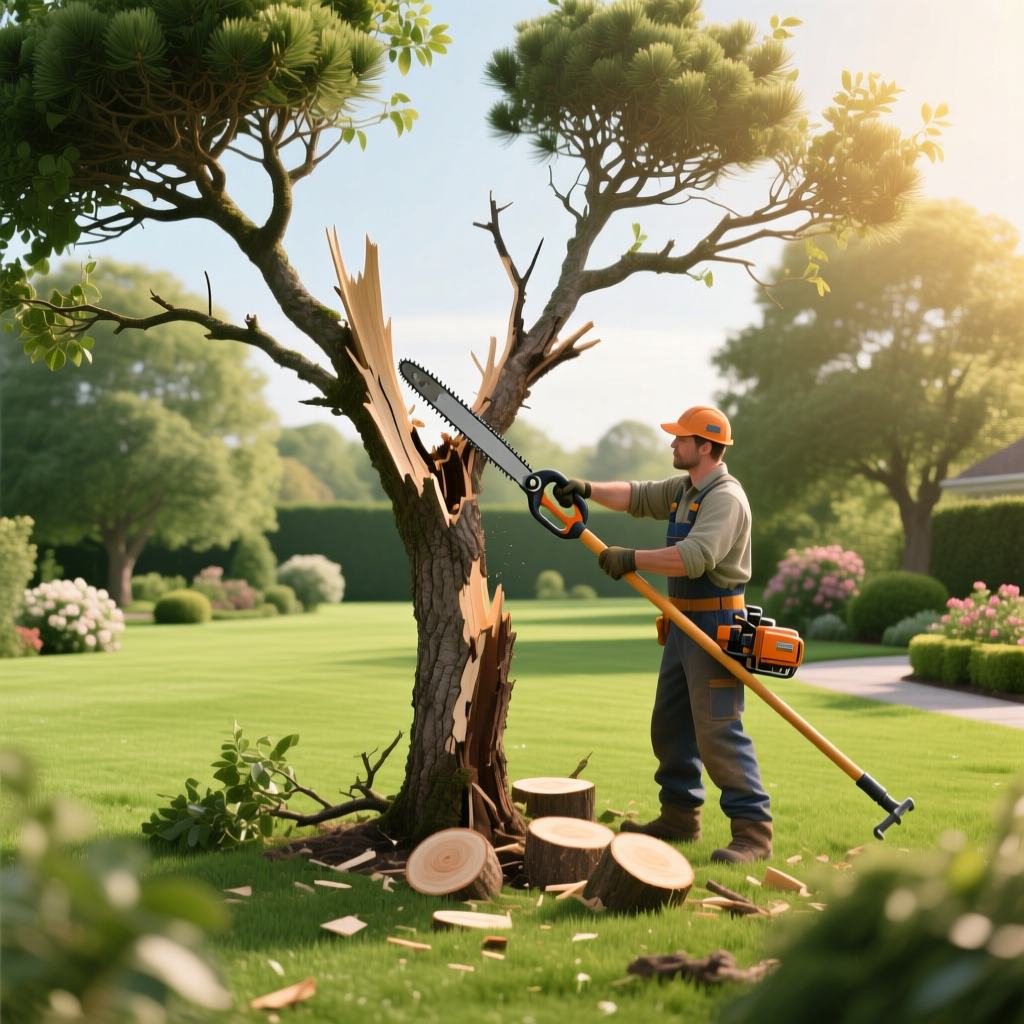
Crown Restoration for Storm-Damaged Trees: A Complete Guide
Anna KowalskiPublished
Crown Restoration for Storm-Damaged Trees: A Complete Guide
Severe storms can wreak havoc on your landscape, leaving behind broken branches, split trunks, and decimated tree crowns. When high winds, heavy ice, or lightning strike your property, the damage to mature trees can feel devastating. However, many storm-damaged trees can recover beautifully with proper crown restoration techniques and patient, informed care.
Crown restoration is the careful, strategic process of pruning and training a storm-damaged tree to rebuild a healthy, structurally sound canopy. Unlike simple cleanup pruning, crown restoration takes a long-term view — reshaping the tree over months or even years so it regains its natural form, strength, and beauty. Whether you are dealing with a beloved shade oak that lost major limbs or a flowering ornamental battered by hail, understanding the principles of crown restoration will help you make the best decisions for your landscape.
In this comprehensive guide, we will walk you through everything you need to know about restoring storm-damaged tree crowns, from initial damage assessment to advanced pruning strategies, disease prevention, and seasonal care routines. If you also need to repair surrounding turf after a storm, our storm damage lawn recovery guide can help you restore your entire yard.
Assessing Storm Damage & Determining if Crown Restoration Is Possible
Before picking up a pruning saw, it is essential to evaluate the extent of storm damage and determine whether crown restoration is a viable path forward. Not every damaged tree can — or should — be saved. Making an accurate assessment early on will save you time, money, and emotional investment.
Evaluating the Severity of Crown Damage
Start by examining the tree from multiple angles. Walk around the entire perimeter and look for the following indicators:
- Percentage of crown loss: As a general rule, if more than 50 percent of the crown has been destroyed, the tree's chances of full recovery diminish significantly. Trees that have lost between 25 and 50 percent of their canopy are often good candidates for restoration.
- Trunk integrity: Check the main trunk for deep cracks, large wounds, or vertical splits. A compromised trunk often means the tree cannot be safely restored and may pose a hazard.
- Leader damage: The central leader (the main upward-growing branch) is critical to a tree's structure. If it has been snapped or severely damaged, restoration becomes more complex but is still possible through leader training techniques.
- Branch collar condition: Examine where broken branches connect to the trunk or larger limbs. Clean breaks at the branch collar heal more readily than ragged tears that strip bark down the trunk.
- Root system health: Look for signs of root damage such as soil heaving, leaning, or exposed roots. A tree with a compromised root system may not be stable enough to restore.
When to Save a Tree vs. Remove It
A tree is generally worth saving if it is otherwise healthy, has a strong root system, and has lost less than half of its crown. Young trees are remarkably resilient and can often bounce back from significant damage. Mature, well-established trees with good overall health are also strong candidates for crown restoration.
Consider removal when the tree has a split trunk, extensive bark stripping, severe root damage, or pre-existing disease or decay. Trees that are already stressed from drought, pest infestations, or poor soil conditions may lack the energy reserves needed to regenerate a new crown. For guidance on maintaining overall tree vitality, our tree health maintenance guide offers year-round strategies.
Documenting Damage for Insurance
Before beginning any restoration work, photograph all damage thoroughly. Take wide-angle shots showing the entire tree as well as close-ups of specific wounds and broken limbs. This documentation may be essential for insurance claims, especially if the tree was damaged by a named storm event. Many homeowner policies cover tree removal and, in some cases, restoration work.
Crown Restoration Pruning Techniques for Storm-Damaged Trees
Once you have determined that a tree is a good candidate for crown restoration, the real work begins. Crown restoration pruning is fundamentally different from routine maintenance pruning. It requires a strategic, phased approach that guides the tree's natural growth patterns over an extended period.
Phase One: Emergency Cleanup Pruning
The first step after a storm is to address immediate hazards and clean up the damage. This phase should be completed as soon as it is safe to do so, ideally within days of the storm event.
- Remove hanging and broken branches: These pose an immediate safety risk. Use a pole saw or chainsaw for large limbs, and always wear appropriate protective gear including a helmet, eye protection, and gloves.
- Make clean cuts at branch collars: Ragged, torn wounds invite disease and decay. Use sharp pruning tools to make clean, angled cuts just outside the branch collar — the swollen area where the branch meets the trunk or parent limb.
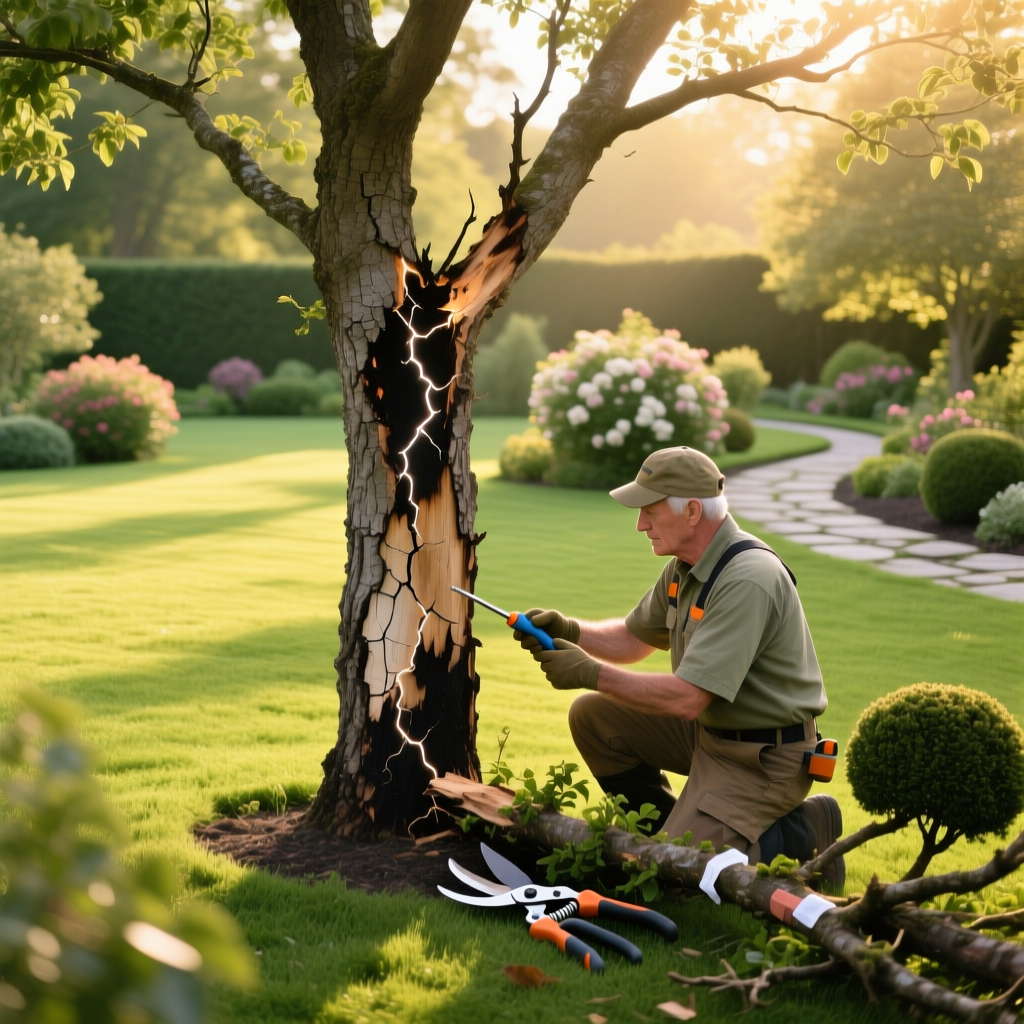
- Remove torn bark carefully: Where bark has been peeled back but the underlying cambium is still alive, use a sharp knife to carefully trim the loose bark. Create smooth, oval-shaped edges that allow water to run off rather than collect in the wound.
- Do not top the tree: Topping — cutting all remaining branches back to stubs — is one of the worst things you can do to a storm-damaged tree. It stimulates weak, fast-growing water sprouts that are poorly attached and highly susceptible to future breakage.
Phase Two: Structural Restoration Pruning
After the emergency cleanup is complete, allow the tree a full growing season before beginning structural restoration. During this second phase, your goal is to establish a strong framework of scaffold branches that will form the new crown.
- Select new scaffold branches: Identify vigorous, well-positioned lateral branches that can serve as the foundation of the restored crown. Ideally, these branches should be spaced evenly around the trunk and have wide attachment angles (greater than 45 degrees).
- Train a new leader if needed: If the central leader was lost, select the most upright, vigorous lateral branch and stake or tie it into a vertical position. Over time, this branch will assume the role of the new leader.
- Subordinate competing branches: Reduce the length of branches that compete with your selected scaffolds or new leader. This directs the tree's energy into the branches you want to develop.
- Remove water sprouts selectively: After storm damage, trees often produce a flush of fast-growing vertical shoots called water sprouts or epicormic growth. While some of these can be useful for rebuilding the crown, most should be removed to prevent overcrowding and weak attachment.
Phase Three: Crown Thinning & Balancing
Over the next two to three growing seasons, continue refining the crown shape. The objective is to create a balanced, well-distributed canopy that allows light and air to penetrate while maintaining structural integrity.
- Thin crowded areas: Remove crossing branches, inward-growing limbs, and any branches that rub against each other. Each remaining branch should have its own space in the canopy.
- Reduce end weight on long limbs: Long, heavy branches that extend far from the trunk are vulnerable to future storms. Reduce their length by cutting back to a lateral branch that is at least one-third the diameter of the branch being removed.
- Maintain a natural form: The goal of crown restoration is not to create a perfectly symmetrical tree but to guide the tree back to a natural, structurally sound form. Study the species' typical growth habit and prune accordingly.
For more detailed pruning guidance, including species-specific recommendations, check out our tree pruning techniques guide for step-by-step instructions.
Essential Tools for Crown Restoration
Having the right tools makes crown restoration safer and more effective. Invest in quality equipment and keep everything sharp and clean:
- Hand pruners (bypass style): For branches up to three-quarters of an inch in diameter.
- Lopping shears: For branches up to two inches thick.
- Pruning saw (folding or fixed): For limbs between two and six inches in diameter.
- Pole pruner or pole saw: For reaching high branches without a ladder.
- Chainsaw: For large-diameter limbs, used only by experienced operators.
- Sharp knife: For trimming bark wounds and making precise finishing cuts.
- Disinfectant solution: A 10 percent bleach solution or 70 percent rubbing alcohol to sterilize tools between cuts, preventing disease transmission.
Disease Prevention & Wound Care After Storm Damage
Storm wounds create entry points for a wide range of fungal pathogens, bacteria, and wood-boring insects. Protecting your tree from secondary infections is a critical component of successful crown restoration.
Common Diseases That Attack Storm-Damaged Trees
Understanding the threats your tree faces will help you take proactive steps to prevent infection:
- Heart rot fungi: Species such as Ganoderma, Armillaria, and Phellinus enter through large wounds and slowly decay the tree's internal wood. By the time fruiting bodies (mushrooms or conks) appear on the trunk, significant internal damage has already occurred.
- Canker diseases: Fungi like Nectria and Cytospora create sunken, discolored areas on branches and trunks. These can girdle and kill affected limbs.
- Hypoxylon canker: This aggressive fungus attacks stressed trees, particularly oaks, and can rapidly colonize large wounds. It produces a gray-to-black crusty layer over infected bark.
- Bacterial wetwood (slime flux): Common in elms, maples, and mulberries, this condition causes foul-smelling liquid to ooze from wounds, staining the bark below.
- Wood-boring insects: Beetles and moth larvae are attracted to stressed, wounded trees. Their tunneling weakens branches and introduces additional pathogens.
Best Practices for Wound Care
Modern arboriculture has moved away from many traditional wound-care practices. Here is what current research supports:
- Do not apply wound paint or sealants: Studies have consistently shown that wound dressings do not prevent decay and may actually trap moisture against the wound, accelerating rot. Trees have their own highly effective defense system called compartmentalization (CODIT — Compartmentalization of Decay in Trees), which walls off damaged tissue.
- Make clean, precise cuts: The single most important thing you can do to prevent disease is to make smooth, clean pruning cuts that allow the tree's natural callus tissue to close over the wound quickly.
- Avoid flush cuts: Cutting flush with the trunk damages the branch collar and trunk tissue, creating a much larger wound that takes longer to close and is more susceptible to infection.
- Monitor wounds regularly: Check wounds every few weeks during the growing season. Look for signs of callus formation (a ridge of new tissue growing around the wound edge), which indicates healthy healing. If you notice oozing, discoloration spreading beyond the wound, or fungal growth, consult a certified arborist.
Supporting Tree Immunity Through Proper Care
A healthy tree is far better equipped to resist diseases and recover from wounds. Support your tree's natural defenses with these practices:
- Mulch properly: Apply a two-to-four-inch layer of organic mulch around the base of the tree, extending to the drip line if possible. Keep mulch at least three inches away from the trunk to prevent bark rot. Mulch conserves soil moisture, moderates temperature, and reduces competition from grass roots. Learn more about proper mulching in our mulching around trees guide.
- Water deeply during dry periods: Storm-damaged trees are under tremendous stress and need consistent moisture to fuel wound closure and new growth. Provide deep, infrequent watering rather than frequent shallow sprinklings.
- Avoid over-fertilizing: High-nitrogen fertilizers can stimulate excessive, weak growth that is more susceptible to pests and disease. If a soil test indicates nutrient deficiencies, apply targeted amendments rather than broad-spectrum fertilizers.
- Protect the root zone: Avoid soil compaction from heavy equipment, foot traffic, or material storage within the tree's drip line. Compacted soil restricts oxygen and water flow to roots, further stressing an already vulnerable tree.
Seasonal Care Tips for Restoring Storm-Damaged Tree Crowns
Crown restoration is not a one-time event — it is an ongoing process that unfolds over multiple seasons. Understanding what to do at each time of year will maximize your tree's recovery potential and minimize the risk of setbacks.
Spring: Assessment & Early Growth Management
Spring is the season of renewal and your best opportunity to evaluate how well the tree has survived the winter after storm damage.
- Assess winter dieback: Wait until buds begin to swell and open before making final judgments about which branches are alive. A branch that looks dead in late winter may still produce leaves in spring.
- Remove confirmed deadwood: Once you can clearly distinguish live from dead branches, remove all dead, diseased, and broken wood. Make cuts back to healthy tissue or to a lateral branch.
- Monitor water sprout emergence: Spring growth often triggers a flush of epicormic shoots along the trunk and on large limbs. Evaluate which sprouts are well-positioned to contribute to the new crown and rub off or prune the rest while they are still small and tender.
- Apply fresh mulch: Top up the mulch layer if it has decomposed over winter. This helps retain spring moisture and suppresses weed competition as the growing season begins.
Summer: Growth Guidance & Stress Management
Summer is when the tree puts on the majority of its annual growth. Your role during this season is to guide that growth and help the tree cope with heat and drought stress.
- Water during droughts: A recovering tree needs approximately one inch of water per week during the growing season. Use a soaker hose or drip irrigation to deliver water slowly and deeply to the root zone.
- Perform light corrective pruning: Summer is an excellent time to identify and remove branches with weak crotches, crossing growth, or poor form. Because the tree is in full leaf, you can clearly see the crown structure and make informed decisions.
- Watch for pest activity: Borers, aphids, and scale insects are attracted to stressed trees. Inspect the trunk and branches regularly for signs of insect activity, including sawdust-like frass, honeydew, or unusual bark damage.
- Avoid heavy pruning: Removing large amounts of foliage during summer can further stress the tree by reducing its photosynthetic capacity. Limit summer pruning to small, targeted cuts.
Fall: Preparation & Structural Evaluation
As growth slows and the tree prepares for dormancy, fall offers a valuable window for structural assessment and planning.
- Evaluate crown development: With leaves still on the tree but growth nearly complete, assess how the crown has filled in over the growing season. Note areas that need further thinning or redirection next year.
- Address hazard limbs before winter: Remove any branches that appear weak, cracked, or poorly attached before winter storms arrive. Ice and snow loading can turn marginal branches into dangerous projectiles.
- Continue watering until the ground freezes: Adequate fall moisture helps trees enter dormancy in good condition and reduces the risk of winter desiccation, particularly for evergreens.
- Protect young bark: If your restoration efforts have exposed previously shaded trunk areas to direct sunlight, consider wrapping the trunk with tree wrap to prevent sunscald during winter.
Winter: Structural Pruning & Planning
Winter dormancy is the ideal time for the most significant structural pruning cuts. With the leaves gone, the branch architecture is fully visible, making it easier to make strategic decisions.
- Perform major structural cuts: Remove large competing leaders, reduce overextended limbs, and thin crowded branch clusters. Wounds made during dormancy are less attractive to disease-carrying insects and will begin callusing as soon as spring growth starts.
- Inspect for hidden damage: Without leaves obscuring the view, look closely for cracks, cavities, and signs of decay that may not have been visible during the growing season.
- Plan the next year's work: Crown restoration typically takes three to five years for moderate damage and longer for severe cases. Use the winter months to review your progress, adjust your strategy, and schedule professional arborist visits if needed.
- Protect from ice and snow: Gently brush heavy snow accumulations off vulnerable branches using an upward motion. Do not shake branches, as frozen wood is brittle and can snap easily.
For tips on keeping your entire landscape healthy through the colder months, our fall lawn and tree preparation guide provides seasonal checklists you can follow every year.
When to Call a Certified Arborist for Crown Restoration
While many aspects of crown restoration can be handled by a knowledgeable homeowner, certain situations demand professional expertise. Recognizing when to call in help is just as important as knowing how to prune.
Situations Requiring Professional Assistance
- Large trees with damage above 20 feet: Working at height with chainsaws and heavy limbs is extremely dangerous without proper training, climbing equipment, and insurance.
- Trees near power lines: Never attempt to prune branches that are within 10 feet of utility lines. Contact your utility company or hire a line-clearance certified arborist.
- Significant trunk damage: Large trunk wounds, cavities, or splits require professional evaluation to determine whether the tree can be saved or must be removed for safety.
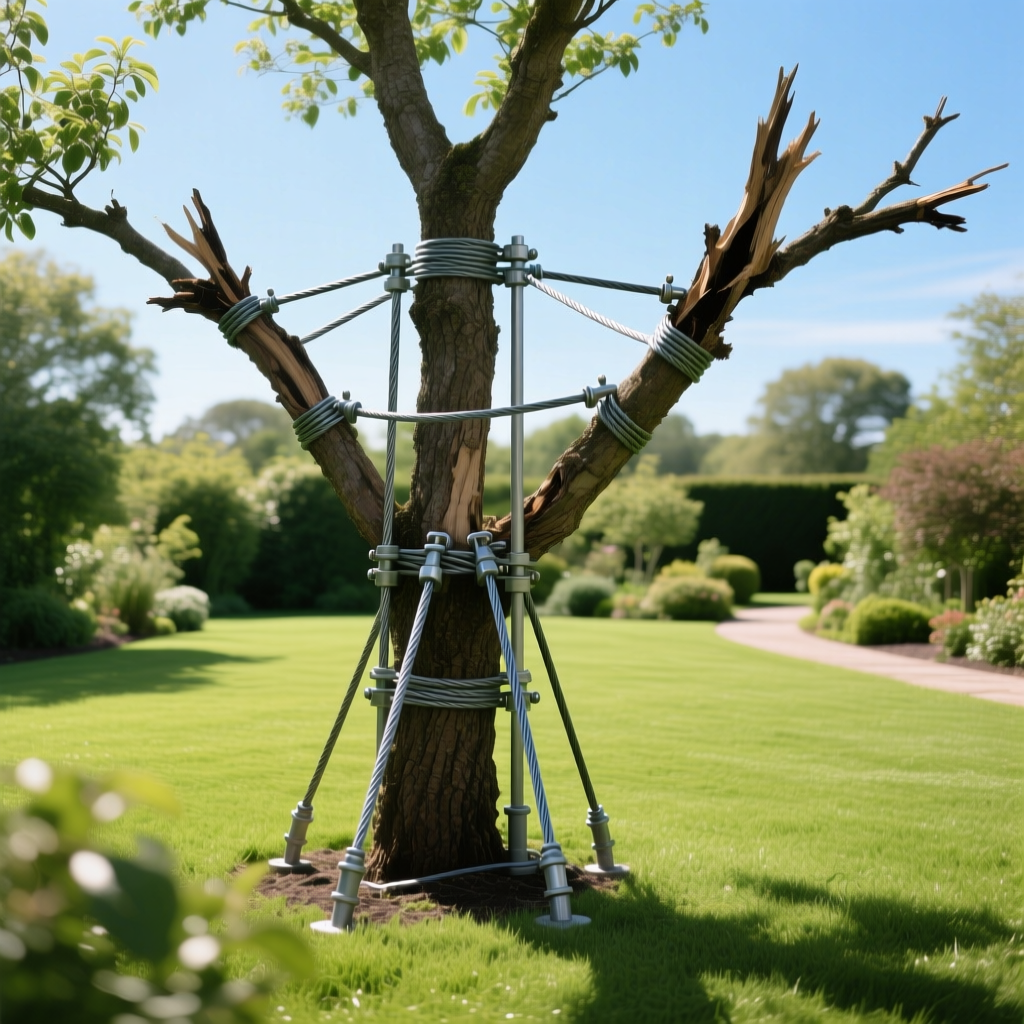
- Cabling and bracing needs: Some storm-damaged trees benefit from supplemental support systems such as cables, braces, or props. These must be designed and installed by a qualified arborist to be effective and safe.
- Heritage or high-value trees: If the tree has significant sentimental, historical, or property value, invest in professional care to maximize its chances of recovery.
Choosing the Right Arborist
Look for an arborist certified by the International Society of Arboriculture (ISA) or an equivalent credentialing body in your region. Ask for proof of liability insurance and workers' compensation coverage. Request references and view before-and-after photos of previous crown restoration projects. A reputable arborist will provide a detailed written estimate and explain the proposed work in terms you can understand.
A healthy, well-maintained landscape starts from the ground up. Pair your tree care efforts with a strong lawn care routine by exploring our complete lawn care guides for mowing, fertilizing, and soil health tips.
Frequently Asked Questions About Crown Restoration
How long does crown restoration take for a storm-damaged tree?
Crown restoration is a multi-year process that typically takes three to five years for trees with moderate damage. Trees that have lost a significant portion of their canopy may require five to ten years of careful pruning and training to rebuild a functional, attractive crown. The timeline depends on the species, the tree's age and health, the severity of the damage, and growing conditions. Fast-growing species such as maples, poplars, and willows tend to recover more quickly than slow-growing species like oaks and hickories. Patience is essential — rushing the process by over-pruning or forcing growth can lead to weak, poorly attached branches that are vulnerable to future storms.
Should I fertilize a storm-damaged tree to speed up crown recovery?
Fertilization is generally not recommended immediately after storm damage unless a soil test confirms specific nutrient deficiencies. A storm-damaged tree has lost a significant portion of its leaf canopy, which means it has a reduced ability to photosynthesize and utilize nutrients. Applying high-nitrogen fertilizer can stimulate a flush of weak, fast-growing shoots that are poorly attached and more susceptible to pest attacks. Instead, focus on providing adequate water, proper mulching, and protecting the root zone. If the tree shows signs of nutrient deficiency — such as pale, undersized leaves or poor growth — in the second or third year after the storm, a balanced, slow-release fertilizer applied in early spring may be beneficial. Always base fertilization decisions on soil test results rather than assumptions.
Can a tree that has been split by lightning be restored?
Lightning damage presents unique challenges for crown restoration. When lightning strikes a tree, the intense electrical current superheats the moisture within the wood, often causing bark to explode off the trunk, branches to shatter, and internal wood to split. Whether the tree can be saved depends on the extent of the damage. If the lightning strike created a single vertical crack and the tree still has a substantial portion of its crown intact, restoration may be possible. The wound should be cleaned of loose bark and splintered wood, and the tree should be monitored closely for signs of decay or structural failure over the following years. However, if the trunk is shattered, the root system is damaged, or more than half the crown is destroyed, removal is usually the safest option. A certified arborist can perform a resistograph or sonic tomography test to evaluate internal decay and help you make an informed decision.
Will water sprouts that grow after storm damage eventually become strong branches?
Water sprouts — the vigorous, upright shoots that emerge from dormant buds on branches and trunks after storm damage — are a natural part of the tree's recovery response. While they are initially weakly attached and grow at a rapid rate, some water sprouts can develop into strong scaffold branches if they are properly managed. The key is selection and training. Identify water sprouts that emerge at good angles (ideally 45 to 60 degrees from the trunk or parent branch) and are well-positioned to fill gaps in the crown. Remove competing sprouts to direct energy into the selected ones. Over the course of two to three growing seasons, gradually reduce the length of selected water sprouts to encourage lateral branching and stronger attachment. Sprouts that grow straight up with narrow attachment angles should be removed, as they will remain structurally weak and are likely to break in future storms.
Is it better to prune a storm-damaged tree immediately or wait until the next season?
The timing of pruning after storm damage depends on the type of cuts needed. Emergency pruning to remove hazardous hanging branches, clear blocked pathways, and eliminate immediate dangers should be done as soon as conditions are safe. These cuts are about safety, not aesthetics or long-tree health. However, for the more strategic work of crown restoration — selecting scaffold branches, training a new leader, and shaping the crown — it is generally better to wait. Allowing the tree at least one full growing season gives you the opportunity to see which branches survive, where new growth emerges, and how the tree responds to the damage. This information is invaluable for making sound structural decisions. Performing major restoration pruning too early, before you can assess the full extent of dieback, may result in removing branches that would have recovered or leaving branches that will eventually die. A phased approach — emergency cleanup immediately, followed by strategic restoration over subsequent seasons — produces the best long-term results.
How can I protect my trees from future storm damage?
While you cannot control the weather, you can take proactive steps to make your trees more resilient to storms. Regular structural pruning throughout a tree's life is the single most effective preventive measure. This includes eliminating co-dominant leaders (two or more main branches of similar size growing from the same point), reducing end weight on long limbs, and removing dead or weak branches before they fail. Proper spacing during planting ensures that roots have room to develop a strong, wide-spreading anchor system. Avoid planting large trees in compacted soil or in areas where root growth is restricted by pavement, foundations, or utility trenches. Maintain tree health through proper watering, mulching, and pest management, as healthy trees are more flexible and better able to withstand wind and ice loads. For trees with known structural weaknesses, consult an arborist about preventive cabling or bracing systems. For broader landscape resilience strategies, our wind-resistant tree species guide can help you choose trees that are naturally adapted to stormy conditions.
Crown restoration is a rewarding investment in the long-term health and beauty of your landscape. With careful assessment, strategic pruning, diligent disease prevention, and seasonally appropriate care, many storm-damaged trees can recover to become cherished features of your yard for decades to come. Take the process one season at a time, work with the tree's natural growth patterns, and do not hesitate to seek professional guidance when the situation calls for it. Your patience and effort will be repaid with a thriving, resilient tree that has weathered the storm and come back stronger.