
Tree Care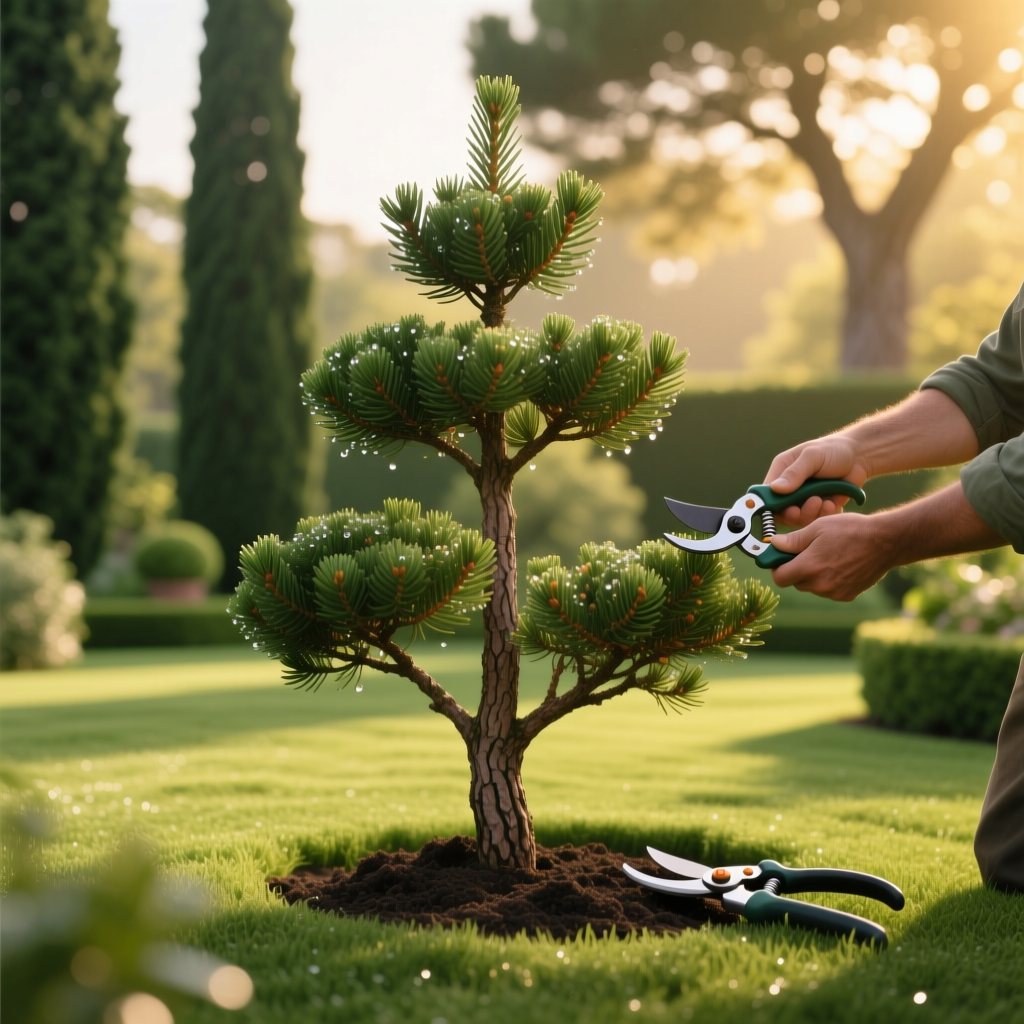
The Ultimate Guide to Cypress Tree Maintenance: Care,
The Ultimate Guide to Cypress Tree Maintenance: Care, Pruning, & Disease Prevention
Cypress trees are among the most majestic and versatile evergreens available to homeowners and landscape designers. Whether you are planting a towering Bald Cypress near a water feature, establishing a dense Leyland Cypress privacy screen, or framing a driveway with elegant Italian Cypress trees, these conifers offer year-round beauty, rapid growth, and exceptional architectural structure. However, achieving a lush, vibrant, and healthy cypress landscape requires more than just planting them in the ground and hoping for the best. Proper cypress tree maintenance is essential to prevent fungal diseases, manage pests, and ensure your trees reach their full potential.
In this comprehensive guide, we will explore everything you need to know about cypress tree care. From understanding the specific soil and water requirements of different cypress varieties to mastering the art of pruning and defending against common diseases, this resource will serve as your ultimate reference. For those looking to integrate their tree care routine with broader landscape health, be sure to explore our complete tree care hub and lawn maintenance guides to create a cohesive, thriving outdoor environment.
Understanding Cypress Tree Care Requirements
The term "cypress" encompasses several different genera, including Cupressus (true cypresses like the Italian and Monterey cypress), Chamaecyparis (false cypresses like the Hinoki and Leyland cypress), and Taxodium (the deciduous Bald Cypress). While they share some common traits, their specific care requirements can vary significantly based on their native habitats. Understanding these foundational needs is the first step in successful cypress tree maintenance.
Sunlight and Placement
Most cypress varieties thrive in full sun, requiring a minimum of six to eight hours of direct sunlight per day. Adequate sunlight is crucial for maintaining dense foliage and preventing the inner branches from becoming sparse or susceptible to fungal infections. While some species, such as the Hinoki false cypress, can tolerate partial shade, planting them in overly shaded areas often results in leggy growth, reduced vigor, and an increased risk of moisture-related diseases. When planning your landscape, ensure your cypress trees are positioned away from the heavy shade cast by larger, established canopy trees or tall structures.
Soil Conditions and Drainage
Soil drainage is arguably the most critical factor in cypress tree health. With the notable exception of the Bald Cypress—which naturally grows in swamps and tolerates standing water—most evergreen cypress species require well-draining soil. Heavy clay soils that retain water can quickly lead to fatal root rot. If your landscape features dense clay, it is highly recommended to amend the planting area with organic compost or plant the tree slightly elevated on a berm to encourage runoff. Conducting a thorough soil analysis before planting is a smart move; refer to our soil testing guide to understand your pH levels and nutrient profiles. Most cypresses prefer a slightly acidic to neutral soil pH, ranging from 5.5 to 7.0.
Watering Best Practices
Newly planted cypress trees require consistent moisture to establish a deep, robust root system. During the first two growing seasons, water your trees deeply once or twice a week, depending on rainfall and temperature. The goal is to moisten the soil to a depth of at least 12 to 18 inches. Shallow, frequent watering encourages roots to stay near the surface, making the tree highly vulnerable to drought stress and windthrow. Once established, most evergreen cypresses become remarkably drought-tolerant. However, during prolonged dry spells, supplemental deep watering using a soaker hose or drip irrigation system will prevent needle drop and maintain vibrant color. For more detailed irrigation strategies, check out our guide on deep watering techniques.
Mulching for Moisture Retention and Weed Control
Applying a 2-to-3-inch layer of organic mulch around the base of your cypress trees helps regulate soil temperature, retain moisture, and suppress competing weeds. However, proper mulching technique is vital. Never pile mulch against the trunk of the tree—a practice known as "volcano mulching." This traps moisture against the bark, leading to rot and inviting boring insects. Instead, create a "donut" shape, leaving a 3-to-4-inch gap between the mulch and the tree trunk. Proper mulching also complements your broader weed control strategies by reducing the need for chemical herbicides near the tree's sensitive root zone.
Pruning and Shaping Your Cypress Trees
Pruning is a vital component of cypress tree maintenance, serving both aesthetic and health-related purposes. Proper pruning improves air circulation through the canopy, reduces the weight of heavy branches, and removes diseased or dead wood. However, conifers have unique growth habits that require specific pruning techniques to avoid permanent damage.
Understanding the "Blind Zone"
One of the most important concepts in cypress tree pruning is the "blind zone" or "dead zone." Unlike deciduous trees, most cypress species will not generate new growth from old, bare wood that lacks needles or leaves. If you cut a branch back into this blind zone, the branch will remain permanently bare and may eventually die back to the trunk. Therefore, when pruning, always make your cuts just above a cluster of green needles or a lateral branch that is actively growing. This ensures the tree can continue to produce foliage and heal the pruning wound effectively.
Timing Your Pruning Sessions
The optimal time to prune most cypress trees is in late winter or early spring, just before the onset of new growth. Pruning during the dormant season minimizes stress on the tree and reduces the risk of transmitting fungal diseases, which are most active during the warm, humid months. Light shaping and the removal of dead or damaged branches can be done at any time of the year, but heavy structural pruning should be strictly reserved for late winter. For a deeper dive into seasonal timing and tool selection, visit our comprehensive tree pruning guide.
Pruning Techniques for Different Cypress Varieties
The approach to pruning depends heavily on the specific type of cypress and its role in your landscape:
- Leyland Cypress Hedges: When maintained as a privacy screen, Leyland cypresses require annual shearing to maintain density and control height. Always shear the hedge so that the base is slightly wider than the top. This "A-frame" or tapered shape ensures that sunlight reaches the lower branches, preventing the bottom of the hedge from thinning out and turning brown.
- Italian Cypress: Known for their tall, narrow, columnar growth, Italian cypresses generally require very little pruning. If they begin to splay outward due to heavy snow or wind, you can gently tie the branches together with soft arborist tape or prune the lateral branches back to the central leader to maintain their tight, pencil-like silhouette.
- Bald Cypress: As a deciduous conifer, the Bald Cypress is pruned similarly to traditional shade trees. Focus on establishing a strong central leader and removing crossing, rubbing, or structurally weak branches during the winter dormancy period.
Tool Sanitation
Always use sharp, high-quality bypass pruners, loppers, or hedging shears. Before moving from one tree to the next, sterilize your tools with a solution of 70% isopropyl alcohol or a 10% bleach solution. This critical step prevents the accidental spread of devastating fungal pathogens like Seiridium canker from an infected tree to a healthy one.
Common Cypress Tree Diseases and Pest Management
Despite their rugged appearance, cypress trees are susceptible to a variety of fungal diseases and insect pests. Early detection and proactive management are the cornerstones of effective cypress tree maintenance.
Seiridium Canker
Seiridium canker is one of the most destructive fungal diseases affecting Leyland and Italian cypresses. The fungus enters the tree through wounds or natural openings, causing sunken, dark lesions on the branches and trunk. These lesions often ooze a sticky, amber-colored resin. As the canker girdles the branch, the foliage above it will rapidly turn yellow, then brown, and die. There is no chemical cure for Seiridium canker. Management relies entirely on cultural practices: prune out infected branches at least 6 to 12 inches below the visible canker, destroy the pruned material, and ensure your trees are not drought-stressed, as water stress severely compromises the tree's natural defenses.
Phytophthora Root Rot
Root rot is a soil-borne water mold that thrives in poorly draining, waterlogged soils. Symptoms include a general decline in tree vigor, yellowing of the foliage, and dieback starting at the top of the tree. Once root rot has extensively colonized the root system, the tree is usually unsalvageable. Prevention is the only reliable strategy. Ensure proper planting depth, avoid overwatering, and improve soil drainage before planting. If you suspect soil-borne pathogens are affecting your landscape, integrating broader landscape pest control methods and soil amendments can help restore ecological balance.
Spider Mites
Spider mites are microscopic arachnids that thrive in hot, dry, and dusty conditions. They feed on the sap of cypress needles, causing the foliage to take on a stippled, grayish, or bronzed appearance. If left unchecked, severe infestations can lead to significant needle drop and branch dieback. To check for spider mites, hold a piece of white paper beneath a branch and tap the foliage sharply; if tiny, moving specks fall onto the paper, you have an infestation. Regularly hosing down the foliage with a strong stream of water can dislodge minor populations. For severe outbreaks, apply horticultural oils or insecticidal soaps, ensuring thorough coverage of the inner canopy.
Bagworms
Bagworms are caterpillars that construct protective, spindle-shaped bags out of silk and cypress needles. They feed voraciously on the foliage and can defoliate large sections of a tree in a single season. Because their bags camouflage perfectly with the cypress cones and needles, they often go unnoticed until significant damage has occurred. The most effective control method is manual removal during the fall and winter months before the eggs hatch. If the infestation is too large for hand-picking, apply a biological insecticide containing Bacillus thuringiensis (Bt) in late spring when the young caterpillars are actively feeding and most vulnerable.
Seasonal Maintenance Tips for Cypress Trees
Adapting your cypress tree maintenance routine to the changing seasons ensures your trees receive the exact care they need when they need it. Aligning your tree care with your seasonal lawn maintenance schedule creates a highly efficient landscape management routine.
Spring Care: Inspection and Nutrition
As the soil warms and new growth begins, conduct a thorough visual inspection of your cypress trees. Look for signs of winter damage, cankers, or early pest activity. Spring is also the ideal time to apply a slow-release, balanced fertilizer. A formulation with an NPK ratio of 10-10-10 or 16-4-8 provides the necessary nitrogen for lush, green foliage without promoting excessively weak, rapid growth. For more details on nutrient timing, review our guide on fertilizing your lawn and landscape. Refresh your mulch layer to prepare the root zone for the upcoming summer heat.
Summer Care: Hydration and Pest Monitoring
Summer places the highest environmental stress on cypress trees. Monitor soil moisture closely, especially during July and August. Deep watering is far superior to frequent, light sprinklings. Summer is also the peak season for spider mites and bagworms. Walk your property weekly to inspect the inner canopy of your cypress hedges and specimen trees, catching pest populations before they can cause irreversible damage.
Fall Care: Preparation and Cleanup
In the fall, focus on preparing the tree for winter dormancy. Continue to water deeply until the ground freezes; a well-hydrated tree is far less susceptible to winter desiccation (winter burn). Rake up fallen needles and debris from around the base of the tree to eliminate overwintering sites for fungal spores and insects. Avoid pruning or applying high-nitrogen fertilizers in the fall, as this can stimulate tender new growth that will be easily killed by the first hard frost.
Winter Care: Protection from the Elements
While cypress trees are generally cold-hardy, heavy snow and ice accumulation can cause the branches of multi-stemmed or hedge-planted cypresses to splay and break. Gently brush heavy snow off the branches using a broom, sweeping upward to avoid snapping the limbs. For tall, narrow hedges, you can wrap the trees loosely with burlap or arborist twine to keep the branches tightly bound against the weight of ice. If your area experiences harsh, drying winter winds, applying an anti-desiccant spray to the foliage in late fall can help seal in moisture and prevent the needles from turning brown.
Frequently Asked Questions About Cypress Tree Care
How fast do cypress trees grow?
The growth rate of a cypress tree depends heavily on the species and the growing conditions. The Leyland Cypress is famous for its explosive growth rate, capable of adding 3 to 4 feet per year under optimal conditions, making it a top choice for rapid privacy screens. The Italian Cypress grows at a moderate pace of 1 to 2 feet per year, while the Bald Cypress typically adds 1 to 2 feet annually. Soil quality, sunlight exposure, and consistent watering during the establishment phase will significantly influence these growth rates.
Why is my cypress tree turning brown?
Browning foliage on a cypress tree can be caused by several factors. If the browning is localized to the inner branches, it may be natural "needle drop," a process where older, shaded needles are shed to make way for new growth. However, if the browning starts at the tips or affects entire branches, it could indicate drought stress, winter burn, Seiridium canker, or root rot. Inspect the trunk for oozing sap (canker) and check the soil moisture levels to diagnose the exact cause before taking corrective action.
Can cypress trees grow in shaded areas?
Most cypress trees are sun-loving species that require full sun to thrive. Planting them in heavily shaded areas will result in thin, sparse foliage, weak branch structure, and a high susceptibility to fungal diseases due to poor air circulation and prolonged leaf wetness. If you have a heavily shaded landscape, consider alternative evergreen species like the Yew or Canadian Hemlock, which are much better adapted to low-light environments.
How often should I water a newly planted cypress tree?
During the first two years after planting, your cypress tree is focused on establishing its root system and is highly vulnerable to drought. Water the tree deeply once or twice a week, providing roughly 10 to 15 gallons of water per session, depending on the size of the root ball and the soil drainage. Use a soaker hose left on for several hours to ensure the water penetrates deeply into the soil rather than running off the surface. Always check the soil moisture 6 inches below the surface before watering to avoid waterlogging the roots.
What is the best fertilizer for cypress trees?
Cypress trees generally do not require heavy fertilization if planted in healthy, amended soil. However, if a soil test indicates a nutrient deficiency, a slow-release, balanced granular fertilizer with an NPK ratio of 10-10-10 or a slightly higher nitrogen ratio like 16-4-8 is ideal. Apply the fertilizer in early spring just as the tree breaks dormancy, spreading it evenly under the drip line of the canopy. Avoid piling fertilizer against the trunk, and always water it in thoroughly to prevent root burn.
Maintaining healthy, vibrant cypress trees requires a proactive approach that combines proper planting techniques, consistent watering, strategic pruning, and vigilant pest management. By understanding the unique needs of your specific cypress variety and adapting your care routine to the changing seasons, you can enjoy the architectural beauty and privacy these magnificent evergreens provide for decades. For more expert advice on cultivating a flawless outdoor space, continue exploring the resources available at Lawns Guide, your trusted partner in comprehensive lawn and landscape care.

