Tree Care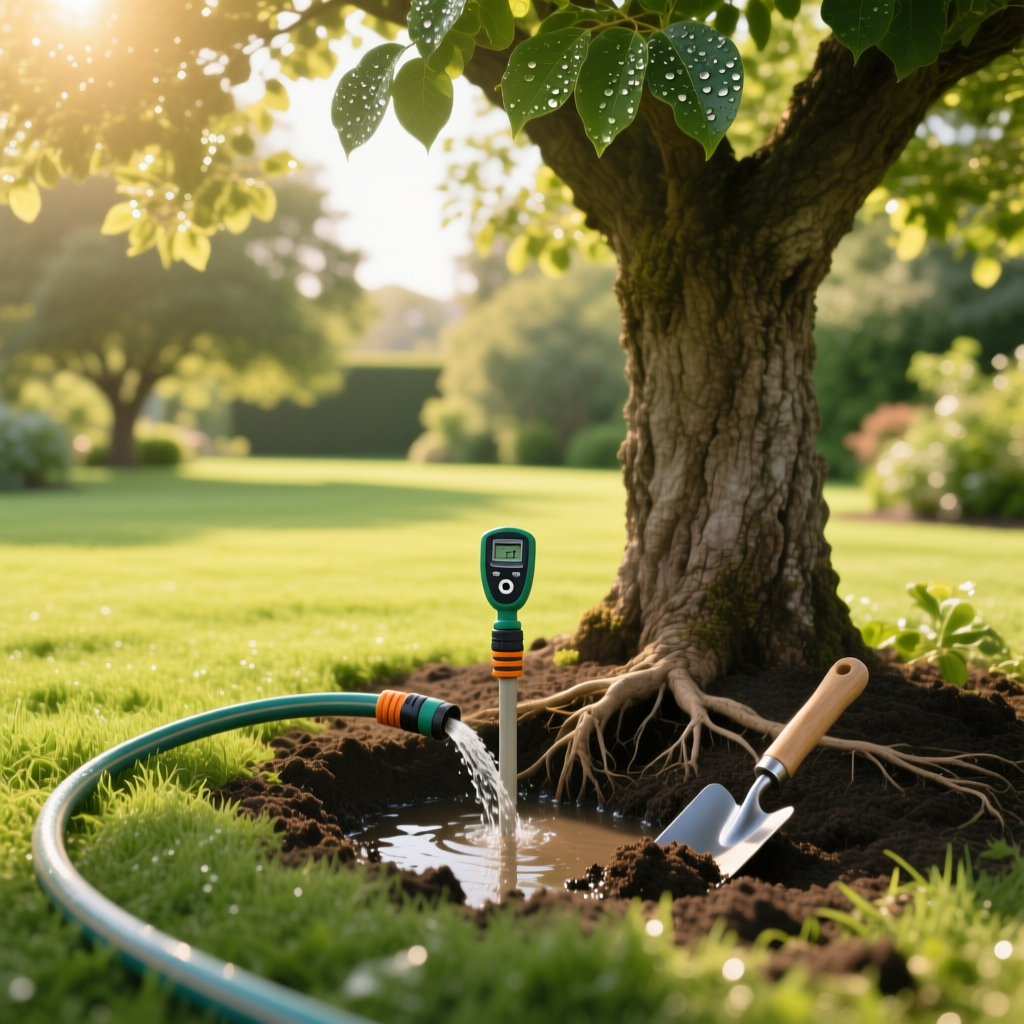
Deep Root Watering for Mature Trees During Extended
Deep Root Watering for Mature Trees During Extended Droughts
Mature trees are among the most valuable assets on your property. They provide shade, improve air quality, increase property values, and anchor your landscape with decades of growth. Yet during extended droughts, even the most established trees face severe stress that can lead to irreversible decline. Unlike a lawn that can be reseeded or a garden bed that can be replanted, a mature tree represents an investment of 20, 30, or even 100 years that cannot simply be replaced.
Deep root watering is the single most effective technique for sustaining mature trees through prolonged dry periods. This method delivers water directly to the root zone where trees need it most, bypassing the inefficiencies of surface watering and ensuring that moisture reaches the fine feeder roots responsible for nutrient and water uptake. In this comprehensive guide, you will learn exactly how, when, and why to deep root water your mature trees so they survive — and even thrive — through the most challenging drought conditions.
If you are also managing turfgrass during dry spells, our guide to watering lawns during drought conditions offers complementary strategies to keep your entire landscape resilient.
Why Mature Trees Need Deep Root Watering During Droughts
It is a common misconception that mature trees with extensive root systems can simply fend for themselves during dry weather. While it is true that established trees have deeper and wider root networks than young plantings, extended droughts deplete soil moisture at every depth, eventually leaving even the deepest roots without adequate water.
Understanding the Root Zone
The root system of a mature tree typically extends well beyond the drip line — the imaginary circle on the ground that corresponds to the outermost reach of the canopy. In fact, most of the active feeder roots responsible for absorbing water and nutrients are concentrated in the top 12 to 24 inches of soil, spreading outward to a distance one and a half to three times the height of the tree. During an extended drought, this critical zone dries out progressively from the surface downward.
Surface watering methods such as sprinklers and hose-end spray nozzles wet only the top inch or two of soil. This shallow moisture evaporates rapidly in hot, dry conditions and encourages roots to grow upward toward the surface in search of water — the opposite of what you want. Deep root watering, by contrast, delivers moisture to a depth of 8 to 12 inches or more, directly into the zone where feeder roots are most concentrated. This encourages roots to remain deep and resilient, better equipping the tree to withstand ongoing drought stress.
Signs Your Mature Tree Is Drought-Stressed
Recognizing drought stress early is essential because once visible symptoms become severe, the tree has already sustained significant internal damage. Watch for these warning signs:
- Wilting or curling leaves — Leaves may fold along the midrib or curl at the edges to reduce surface area and minimize water loss.
- Leaf scorch — Browning along leaf margins and between veins, particularly on the south- and west-facing side of the canopy.
- Premature leaf drop — Trees shed leaves early as a survival mechanism to reduce transpiration demand.
- Dieback in the canopy — Twigs and small branches at the outer edges of the canopy begin to die, creating a thin, sparse appearance.
- Increased pest activity — Stressed trees emit chemical signals that attract borers, bark beetles, and other opportunistic pests. Learn more in our tree pest identification guide.
- Cracks in the soil — Visible gaps and cracks around the base of the tree indicate critically dry soil.
If you observe two or more of these symptoms, your tree needs immediate deep watering intervention.
Deep Root Watering Techniques and Tools
There are several effective methods for delivering water deep into the root zone of a mature tree. The best approach depends on your soil type, the size of the tree, available equipment, and the severity of the drought.
Soaker Hose and Drip Irrigation Method
A soaker hose arranged in a spiral pattern beneath the canopy is one of the simplest and most effective deep root watering tools. Lay the hose in concentric circles starting about two feet from the trunk and extending out to and slightly beyond the drip line. Turn the water on to a slow trickle and let it run for several hours — typically six to eight hours for a large mature tree. The slow flow rate allows water to percolate deeply into the soil rather than running off the surface.
Drip irrigation systems with inline emitters spaced 12 to 18 inches apart can serve the same purpose and offer the advantage of being left in place permanently. If you already have a home irrigation system, consider adding a dedicated drip zone for your most valuable trees.
Deep Root Watering Probes and Wands
Deep root watering probes are metal or heavy-duty plastic stakes that connect to a garden hose and feature perforations along their length. You push the probe into the soil to a depth of 12 to 18 inches, turn on the water, and move the probe to a new location every few minutes. This method is particularly useful for targeting specific areas beneath the canopy and for breaking through compacted soil layers that resist surface water penetration.
Space probe insertions approximately 24 to 30 inches apart in a grid pattern beneath the canopy. For a large mature tree, you may need 20 to 40 insertion points to adequately cover the root zone. While labor-intensive, this method delivers water precisely where it is needed and is highly effective for trees showing advanced drought stress.
Bucket and Slow-Release Bag Method
For those who prefer a low-tech approach, filling five-gallon buckets with water and drilling small holes in the bottom creates an effective slow-release watering system. Place several buckets beneath the canopy and allow them to drain slowly over the course of several hours. Commercial tree watering bags, which wrap around the base of the trunk and hold 15 to 20 gallons, work similarly but are generally better suited for younger trees with smaller root zones.
How Much Water Does a Mature Tree Need?
A general guideline is to apply approximately 10 gallons of water per inch of trunk diameter (measured at chest height) during each deep watering session. For a mature tree with a 20-inch trunk, that translates to roughly 200 gallons per session. While this sounds like a large volume, remember that you are watering deeply and infrequently — typically once every two to four weeks during a drought rather than daily.
Soil type plays a critical role in how much water is needed and how quickly it penetrates:
- Clay soils absorb water slowly but retain it longer. Water at a very slow rate to prevent runoff and allow longer intervals between sessions.
- Sandy soils absorb water quickly but drain rapidly. You may need to water more frequently and in slightly larger volumes.
- Loamy soils offer the ideal balance of absorption and retention, making deep root watering highly efficient.
For tips on identifying and improving your soil, our soil testing and amendment guide provides detailed instructions that benefit both trees and turf.
Seasonal Watering Strategies and Drought Preparedness
Effective deep root watering is not a one-size-fits-all practice. The timing, frequency, and volume of watering should shift with the seasons and the specific stage of the drought.
Spring Preparation
The best defense against summer drought begins in spring. When spring rains are still falling, take the opportunity to deeply water trees if rainfall has been below average. A well-hydrated tree entering the summer months has a far greater reserve of moisture in its tissues and surrounding soil. Spring is also the ideal time to apply a two- to four-inch layer of organic mulch — such as wood chips, shredded bark, or composted leaves — across the root zone. Mulch dramatically reduces soil moisture evaporation, moderates soil temperature, and suppresses water-competing weeds.
Keep mulch at least six inches away from the trunk to prevent rot and rodent damage. For more on proper mulching practices, visit our complete tree mulching guide.
Summer Drought Management
During peak summer drought, prioritize deep root watering over all other landscape maintenance tasks. Water mature trees deeply every two to three weeks when no significant rainfall occurs. Schedule watering sessions for early morning hours — ideally between 4:00 AM and 8:00 AM — when temperatures are coolest, wind is calm, and evaporation rates are lowest.
Resist the urge to fertilize drought-stressed trees during summer. Fertilizer stimulates new growth that demands additional water, worsening the tree's stress. Similarly, avoid heavy pruning during drought, as open wounds lose moisture and invite disease. If you must remove dead or hazardous branches, consult our mature tree pruning guide for proper technique.
Autumn Recovery Watering
Even as temperatures cool, drought-stressed trees need continued watering through autumn. Trees that have endured a dry summer must rebuild their moisture reserves before winter dormancy. Continue deep root watering every three to four weeks until the ground freezes or substantial rainfall resumes. Fall is also the appropriate time to apply a slow-release, low-nitrogen fertilizer to support root recovery, as well as to address any soil compaction issues through careful aeration around the drip line.
Winter Considerations
In regions where winter droughts occur — particularly in the western and southwestern United States — evergreen trees and trees with shallow root systems benefit from occasional deep watering during warm spells when the ground is not frozen. Water once a month when temperatures are above 40°F and no snow cover is present. This is especially important for trees planted within the last five years, but mature trees in sandy soils or exposed locations also benefit.
Protecting Tree Health Beyond Watering
Deep root watering is essential during droughts, but it is only one component of a comprehensive tree care strategy. Addressing soil health, managing pests, and performing appropriate maintenance all contribute to a tree's ability to withstand and recover from prolonged dry periods.
Soil Health and Compaction
Compacted soil is one of the most significant barriers to effective deep root watering. When soil particles are pressed tightly together, pore spaces collapse, and water cannot penetrate to the root zone. Urban and suburban landscapes are particularly prone to compaction from foot traffic, construction equipment, and repeated mowing.
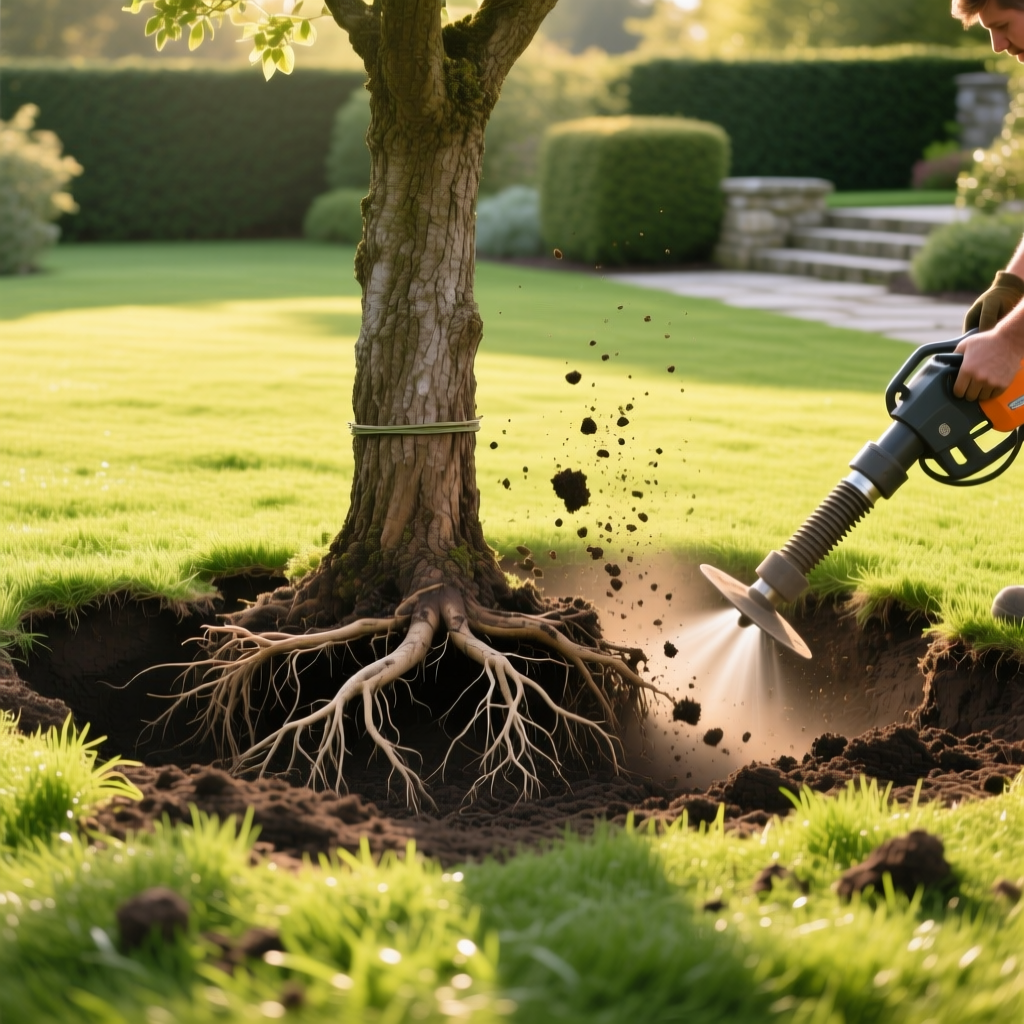
To alleviate compaction around mature trees, use a hand-held soil auger or a professional air-spade service to create vertical channels in the soil beneath the canopy. Fill these channels with compost or coarse sand to maintain open pathways for water and air. Avoid using heavy rototillers near established trees, as they sever fine feeder roots and damage the tree's ability to absorb the very water you are trying to provide.
Disease Prevention During Drought
Drought-stressed trees are significantly more susceptible to fungal diseases and canker infections. Common diseases that exploit weakened trees include:
- Hypoxylon canker — A fungal disease that attacks stressed hardwoods, particularly oaks, causing bark to slough off and revealing black, stroma-covered wood beneath.
- Armillaria root rot — Also known as oak root fungus, this pathogen attacks weakened root systems and can spread to adjacent trees through root grafts.
- Verticillium wilt — A soil-borne fungus that blocks the tree's vascular system, causing branch dieback and leaf wilting even when water is available.
- Fire blight — A bacterial disease affecting fruit trees in the rose family, which becomes more aggressive when trees are under environmental stress.
The best disease prevention strategy is maintaining tree vigor through consistent deep watering, proper mulching, and avoiding mechanical damage to bark and roots. If you suspect a disease, consult a certified arborist for diagnosis and treatment. Our tree disease identification guide can help you recognize early warning signs.
Companion Planting and Root Zone Management
What you plant — or do not plant — around the base of a mature tree has a direct impact on its drought resilience. Dense groundcovers, annual flower beds, and turfgrass all compete with tree roots for available water. During drought conditions, consider removing non-essential plantings from within the drip line to reduce competition.
If you wish to maintain some underplanting, choose drought-tolerant native species that require minimal supplemental water once established. Shade-tolerant options such as native ferns, wild ginger, and sedges can coexist with mature trees without placing excessive demand on soil moisture. For more ideas on building a water-wise landscape, see our drought-tolerant landscaping guide.
Frequently Asked Questions
How often should I deep root water a mature tree during an extended drought?
During an extended drought with no meaningful rainfall, deep root water your mature trees every two to three weeks in summer and every three to four weeks in spring and autumn. The exact frequency depends on soil type, tree species, temperature, and the severity of the drought. Sandy soils may require watering every 10 to 14 days, while heavy clay soils can often go three to four weeks between sessions. The goal is to maintain consistent — but not waterlogged — moisture in the root zone. Use a soil probe or a long screwdriver to check moisture depth; the tool should penetrate easily to a depth of 8 to 12 inches when adequate moisture is present.
Can I overwater a mature tree during a drought?
Yes, overwatering is possible and can be just as damaging as underwatering. Saturated soil fills pore spaces with water, displacing the oxygen that roots need for respiration. Chronically waterlogged roots suffocate, become vulnerable to root rot pathogens, and ultimately die. Signs of overwatering include yellowing leaves, a spongy or mossy soil surface, a foul odor from the soil, and the presence of mushrooms or fungal fruiting bodies near the base of the tree. To avoid overwatering, always check soil moisture before irrigating and ensure that the watering area has adequate drainage. If water pools on the surface and does not drain within an hour, reduce the flow rate or shorten the watering duration.
Is deep root watering different from regular surface watering, and why does it matter?
Deep root watering and surface watering differ fundamentally in where the water is delivered and how the tree responds. Surface watering wets only the top one to two inches of soil, much of which evaporates within hours in hot, dry weather. Trees that receive only surface water develop shallow root systems that are highly vulnerable to heat and drought — essentially creating a cycle of dependency. Deep root watering delivers moisture to a depth of 8 to 18 inches, reaching the fine feeder roots that form the tree's primary absorption network. This encourages roots to grow and remain active at depth, where soil temperatures are cooler and moisture persists longer between watering events. The result is a more resilient, self-sufficient tree that is better equipped to handle ongoing drought stress.
Should I water the area beyond the drip line of my mature tree?
Absolutely. In fact, watering beyond the drip line is one of the most important and most overlooked aspects of deep root watering a mature tree. The majority of a mature tree's active feeder roots extend well beyond the outermost reach of the canopy — often to a distance one and a half to three times the height of the tree. Concentrating all of your watering effort directly beneath the canopy misses a significant portion of the root system. For best results, extend your watering zone at least several feet beyond the drip line in all directions. If water or time is limited, prioritize the area from just inside the drip line to several feet outside it, as this transition zone typically contains the highest density of active feeder roots.
What is the best time of day to deep root water mature trees?
The optimal time for deep root watering is early morning, between 4:00 AM and 8:00 AM. During these hours, temperatures are at their lowest, wind speeds are typically calm, and evaporation rates are minimal, allowing the maximum amount of water to penetrate the soil. Morning watering also gives the soil surface time to dry before nightfall, reducing the risk of fungal diseases that thrive in prolonged moisture. The second-best option is late evening, after sunset, though you should ensure that water does not pool around the trunk overnight. Avoid watering during midday hours when evaporation losses can exceed 30 percent of the applied water, making your efforts significantly less efficient. If you are using an automated drip system or soaker hose, set a timer to start watering in the pre-dawn hours for the best results with the least effort.
Taking a proactive approach to deep root watering will protect your mature trees through even the most punishing droughts. These trees have given your landscape character, shade, and ecological value for decades — and with the right care, they will continue to do so for decades to come. For more tree care strategies, explore our complete tree care library and our lawn care guides to keep every part of your landscape healthy and thriving.