Tree Care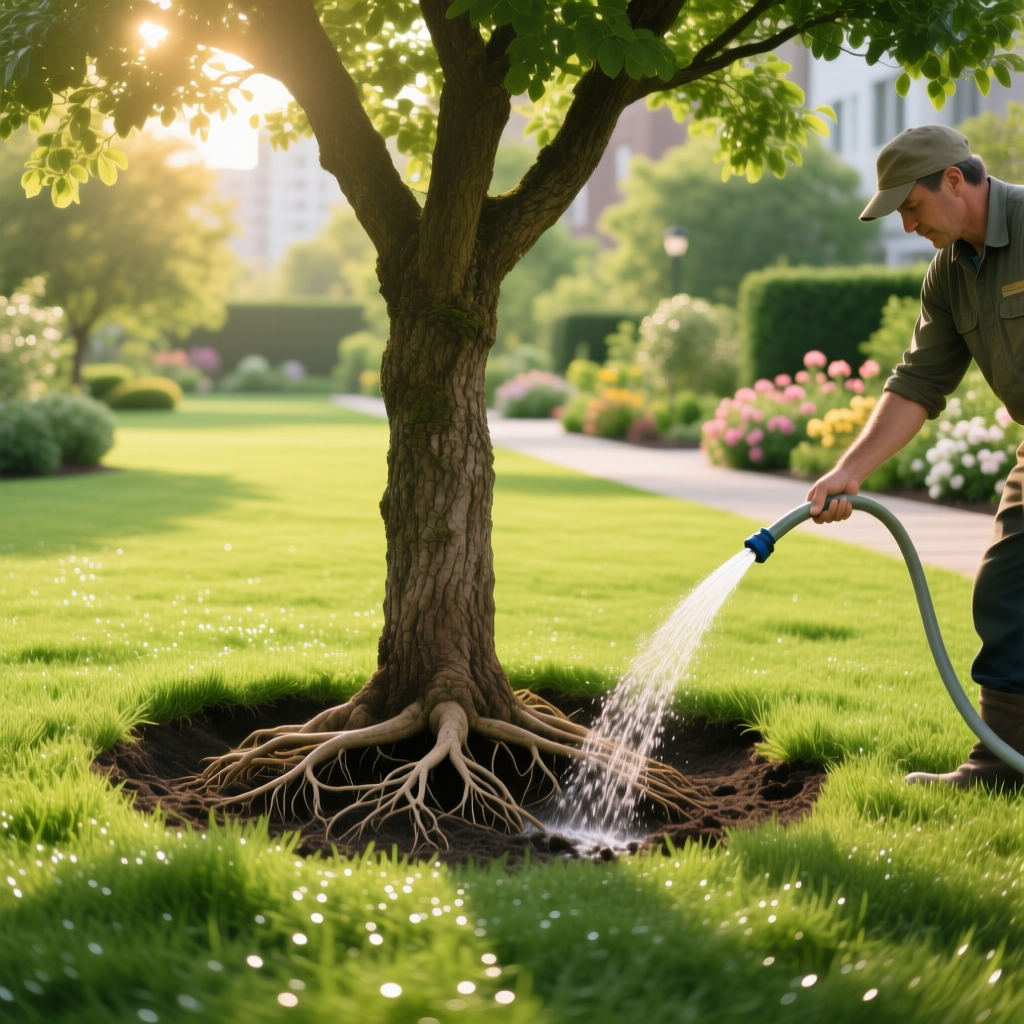
Deep Root Watering Techniques for Established Trees During Drought
Emily WatsonPublished
Established trees are the majestic anchors of our landscapes, providing invaluable shade, improving air quality, and significantly boosting property values. Because they have survived for decades, it is easy to assume that mature trees are entirely self-sufficient and immune to environmental hardships. However, prolonged drought is a silent killer that can severely compromise the structural integrity and long-term health of even the most deeply rooted specimens. When rainfall becomes scarce, the soil moisture reserves that established trees rely upon begin to deplete, leading to a cascade of physiological stress that can take years to reverse.
One of the most common mistakes homeowners make during dry spells is relying on standard lawn sprinklers to hydrate their trees. Surface watering encourages shallow root growth, increases evaporation, and fails to reach the critical absorbing roots located deeper in the soil profile. To truly protect your mature landscape, you must adopt specialized deep root watering techniques. This comprehensive guide will explore the science behind tree root systems, detail the most effective tools and methods for deep hydration, and provide essential care requirements, pruning strategies, and seasonal tips to ensure your trees survive and thrive during severe drought conditions.
Understanding the Root System of Established Trees
To effectively water a mature tree, you must first understand where its roots are located and how they absorb moisture. A common misconception is that a tree's root system mirrors its canopy, plunging deep into the earth like a massive taproot. In reality, the vast majority of a tree's fine, water-absorbing roots are located in the top 12 to 18 inches of soil, extending horizontally far beyond the edge of the canopy.
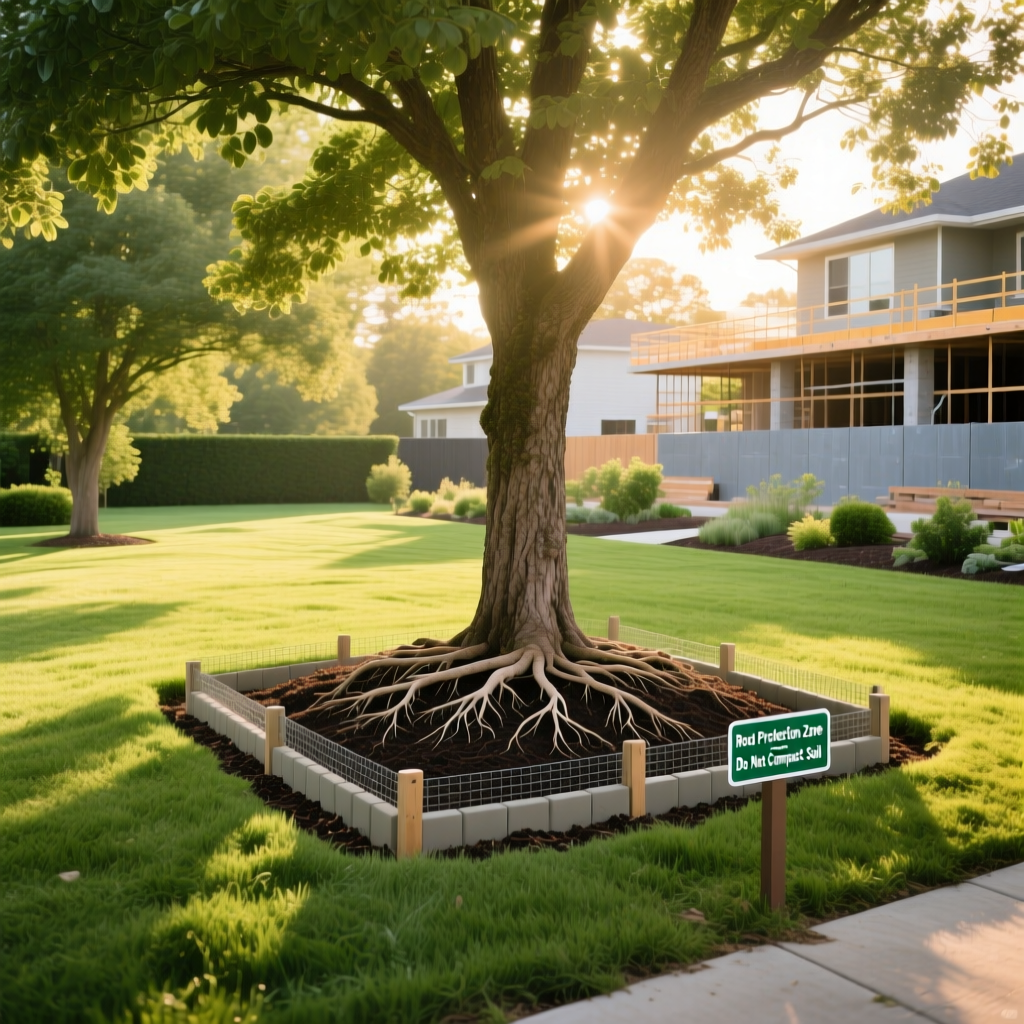
The area directly beneath the outer edge of the tree's branches is known as the "drip line." The zone extending from the trunk to just past the drip line is referred to as the critical root zone. During a drought, this is the primary target area for your watering efforts. The fine root hairs in this zone are responsible for the uptake of water and essential nutrients. If you only water the soil immediately adjacent to the trunk, you are largely wasting water, as the thick, structural roots near the base are not designed for absorption and are highly susceptible to rot if kept constantly wet.
Soil composition also plays a massive role in how water moves through the root zone. Clay soils hold moisture exceptionally well but absorb it very slowly; applying water too quickly to clay will result in massive runoff. Sandy soils, conversely, absorb water rapidly but drain it just as fast, requiring more frequent watering sessions. Loamy soils offer the ideal balance of retention and drainage. Understanding your soil type is crucial for calibrating the flow rate and duration of your deep root watering sessions. Furthermore, compacted soil—a common issue in high-traffic yards—prevents water from penetrating the surface. If your soil is heavily compacted, you may need to explore soil aeration techniques to open up the soil profile before water can effectively reach the deeper root zones.
Essential Deep Root Watering Techniques & Tools
Delivering water slowly and deeply is the golden rule of drought tree care. The goal is to moisten the soil to a depth of at least 12 inches without creating waterlogged conditions. Here are the most effective techniques and tools for achieving deep soil penetration.
Soaker Hoses and Drip Irrigation
Soaker hoses are arguably the most accessible and effective tool for deep root watering. These porous hoses "sweat" water along their entire length, delivering a slow, steady trickle directly to the soil surface. To use a soaker hose effectively on an established tree, coil the hose in concentric circles starting a few feet away from the trunk and extending out to the drip line and slightly beyond. Turn the water pressure on just enough to allow the hose to weep, and leave it running for several hours. This slow application allows capillary action to pull the moisture deep into the soil profile without causing runoff.
Drip irrigation systems equipped with multiple emitters can also be highly effective. By placing emitters strategically around the drip line, you can customize the water delivery to match the specific needs of the tree and the topography of your yard.
Deep Root Watering Probes
For heavily compacted soils or areas where surface evaporation is extreme, a deep root watering probe (or root feeder) is an invaluable tool. These metal wands attach directly to your garden hose and feature a perforated tip that you push 12 to 18 inches into the ground. By delivering water directly into the subsoil, probes bypass the dry, baked surface layer and place moisture exactly where the absorbing roots live. When using a probe, insert it at regular intervals around the drip line, allowing it to run for a few minutes at each spot before moving to the next.
Slow-Release Tree Watering Bags
Tree watering bags, often seen wrapped around the trunks of newly planted trees, can also be adapted for smaller established trees or those with restricted root zones. These heavy-duty plastic bags hold 15 to 20 gallons of water and feature microscopic holes in the bottom that allow the water to seep out slowly over 5 to 9 hours. While they are placed near the trunk, they are best used in conjunction with soaker hoses at the drip line for larger, mature specimens.
The DIY Bucket Method
If you do not have specialized equipment, you can achieve excellent deep watering results using standard 5-gallon buckets. Drill three or four small holes (about 1/8-inch in diameter) into the bottom of the bucket. Place the bucket under the drip line, fill it with water, and let it drain completely. The slow drip mimics a soaker hose, pushing water deep into the soil. Move the bucket to several different locations around the tree's perimeter to ensure even hydration.
Drought Care Requirements & Pruning Strategies
Watering is only one piece of the puzzle when it comes to drought survival. How you manage the surrounding landscape, mulch, and canopy directly impacts how efficiently your tree utilizes the water you provide.
Prioritizing Trees Over Lawns
During severe water restrictions or droughts, you must prioritize your trees over your turfgrass. A lawn can be allowed to go dormant and turn brown; it will typically recover once moisture returns. An established tree, however, cannot be easily replaced, and its death represents a massive loss of time, money, and ecological value. If you must choose where to allocate your limited water supply, always direct it toward the critical root zones of your mature trees. For tips on managing your turf during dry spells without wasting water, review our lawn watering schedules guide to optimize your irrigation efficiency.
The Importance of Proper Mulching
Mulch is a tree's best defense against drought. A 2-to-4-inch layer of organic mulch (such as wood chips or shredded bark) spread over the root zone dramatically reduces soil surface evaporation, keeps root temperatures cool, and suppresses water-stealing weeds. However, proper application is critical. Never pile mulch against the tree trunk in a "volcano" shape, as this traps moisture against the bark, leading to rot and inviting pests. Instead, create a "donut" shape, keeping the mulch a few inches away from the trunk and extending it out toward the drip line. For a detailed breakdown of materials and application methods, consult our complete mulching guide.
Drought Pruning Strategies
It is highly counterintuitive, but you should avoid heavy pruning during a drought. A tree's canopy provides essential shade to its own root zone, keeping the soil cool and reducing evaporation. Furthermore, pruning stimulates new growth, which requires massive amounts of water and energy that the tree simply cannot spare during a dry spell. Limit your pruning strictly to the removal of dead, diseased, or hazardous branches. Removing deadwood helps the tree conserve energy and prevents secondary pests from finding a home in decaying tissue. Always ensure your cuts are clean and precise by reviewing our tree pruning basics tutorial.
Hold Off on Fertilization
Never fertilize a drought-stressed tree. High-nitrogen fertilizers force the tree to push out new leafy growth. This new growth demands water that the compromised root system cannot provide, ultimately accelerating the tree's decline. Wait until the drought has broken and normal rainfall patterns have resumed before resuming your fertilization regimen.
Identifying Drought Stress & Preventing Diseases
Trees cannot vocalize their distress, but they display clear physiological symptoms when they are starved of moisture. Recognizing these signs early is the key to saving the tree before irreversible damage occurs.
Visible Symptoms of Drought Stress
The earliest signs of drought stress usually appear in the canopy. You may notice leaves wilting, curling inward, or developing scorched, brown margins. In broadleaf trees, yellowing leaves and premature autumn coloration in the middle of summer are major red flags. Evergreens may exhibit browning needles, particularly at the tips, and may drop older, interior needles to conserve resources. In severe cases, you will see "flagging" or dieback, where entire branches at the top or outer edges of the canopy turn brown and die.
Secondary Pests & Diseases
A healthy, well-hydrated tree produces defensive chemicals and physical barriers (like sap and resin) to fend off invaders. A drought-stressed tree loses these defenses. Worse, stressed trees emit specific volatile organic compounds (pheromones) that actually attract destructive insects. Wood-boring beetles, ambrosia beetles, and bark beetles specifically target weakened trees, tunneling into the cambium layer and severing the tree's vascular system. Fungal pathogens, such as Hypoxylon canker or various root rot diseases, also take advantage of compromised immune systems. If you notice unusual bore holes, sawdust-like frass at the base of the trunk, or fungal conks growing on the bark, the tree is likely suffering from secondary infections. To learn how to identify and manage these threats, visit our directory on common tree diseases.
Seasonal Tips for Drought-Resilient Tree Care
Drought preparedness is not just a summer task; it requires a year-round approach to build a tree's resilience and ensure it has the resources to survive extreme weather events.
Spring: Inspection and Preparation
Use the spring to assess any winter damage and prepare the soil for the upcoming heat. Refresh your mulch layer before the summer sun bakes the soil. Inspect your soaker hoses and irrigation systems for leaks or clogs. Spring is also the ideal time to perform any necessary structural pruning or fertilization, allowing the tree to build up its energy reserves before the stress of summer begins.
Summer: Active Monitoring and Hydration
During the peak heat of summer, monitor your trees weekly. Implement your deep root watering schedule, adjusting based on recent rainfall and temperature spikes. Avoid parking vehicles or storing heavy materials under the tree canopy, as soil compaction will crush fine roots and prevent water infiltration. Keep an eye out for early signs of pest infestations, which can explode in population during hot, dry weather.
Fall: Preparing for Winter Dormancy
Many homeowners mistakenly believe that once the leaves drop, the tree no longer needs water. This is a dangerous fallacy. Fall is when trees store energy and moisture in their root systems to survive the winter. Continue deep watering your established trees well into the autumn until the ground begins to freeze. A tree that enters winter dormancy in a state of drought stress is highly susceptible to winter desiccation and frost cracking.
Winter: Combating Winter Drought
Winter droughts—periods with no snow cover and dry, freezing winds—can be just as lethal as summer droughts. Evergreens are particularly vulnerable, as they continue to lose moisture through their needles even when the ground is frozen. If you experience a dry winter with temperatures above 40°F (4°C), take the opportunity to deep water your trees during the middle of the day, allowing the water to soak in before nighttime freezing temperatures return.
Frequently Asked Questions
How often should I deep water established trees during a drought?
As a general rule, established trees require deep watering once every 10 to 14 days during a severe drought. However, this frequency should be adjusted based on your soil type and the ambient temperature. Trees in sandy soils may need water every 7 to 10 days, while those in heavy clay soils might only need a deep soaking every 2 to 3 weeks. Always check the soil moisture before watering to avoid waterlogging the root zone.
Can I use a standard sprinkler system for deep root watering?
No, standard lawn sprinklers are highly inefficient for deep root watering. Sprinklers apply water quickly to the surface, which leads to massive evaporation losses and encourages shallow, weak root growth. Furthermore, the water rarely penetrates deeply enough to reach the critical absorbing roots of a mature tree. Slow, targeted application methods like soaker hoses or root probes are vastly superior for tree health.
What is the best time of day to water trees in extreme heat?
The optimal time to water trees is in the early morning, between 4:00 AM and 8:00 AM. Watering in the early morning allows the moisture to penetrate deeply into the soil before the heat of the sun causes rapid surface evaporation. Watering in the late evening is a secondary option, but it can sometimes leave the surface soil and mulch damp overnight, which may encourage certain fungal diseases if the air is entirely stagnant.
How do I know if I have watered deeply enough?
The most reliable way to test your watering depth is to use a simple soil probe or a long metal rod, such as a screwdriver. After you finish your watering session and the water has had a few hours to percolate, push the rod into the soil under the drip line. If the rod slides easily into the ground to a depth of 12 inches or more, you have watered deeply enough. If you hit hard, dry resistance after only a few inches, you need to increase your watering duration.
Should I remove mulch before deep watering?
You do not need to remove organic mulch before watering. In fact, watering directly through the mulch is beneficial, as it helps the mulch retain moisture and slowly release it into the soil below. However, if you are using a thick layer of impermeable landscape fabric or plastic weed barrier beneath your mulch, this must be removed, as it will completely block water and oxygen from reaching the root zone.