
Tree Care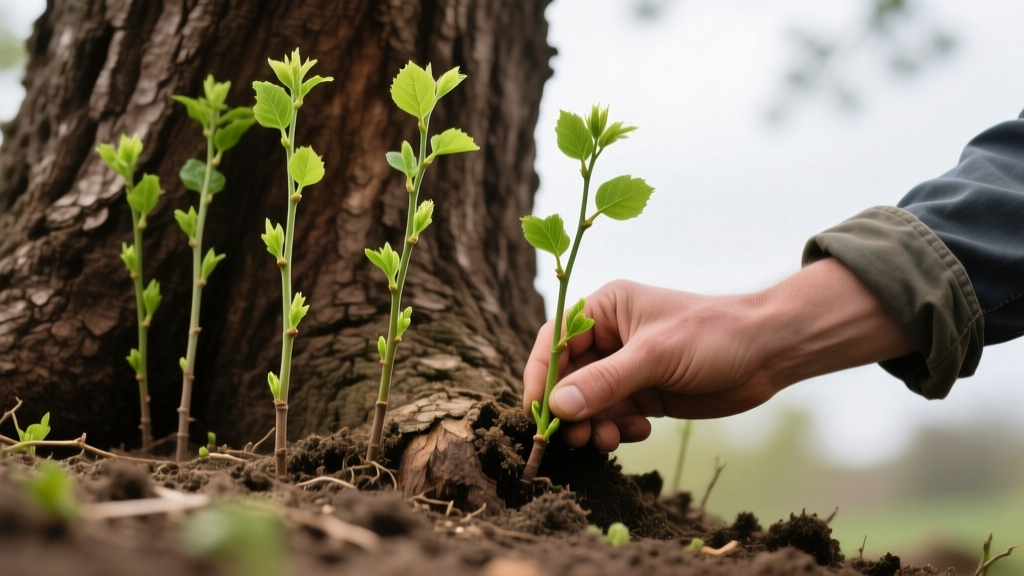
Stop Suckers on Trees: Diagnosis, Removal, and Prevention
The Biology of Suckers: Why Your Tree is Overcompensating
When you notice aggressive, fast-growing shoots emerging from the base of your tree or its root system, you are witnessing a biological stress response. Suckers on trees are not merely aesthetic nuisances; they are the tree's emergency survival mechanism. When the main canopy is compromised, or the root system is stressed, the tree activates dormant buds located at the root crown or along the trunk to generate new foliage for photosynthesis. If left untreated, these parasitic growths siphon vital carbohydrates and water away from the primary canopy, stunting the tree's overall growth and increasing susceptibility to fungal pathogens like Armillaria root rot.
Suckers vs. Water Sprouts: Diagnosing the Growth
Before reaching for your pruning shears, accurate diagnosis is critical. Homeowners frequently confuse root suckers with water sprouts, but their origins and treatment protocols differ significantly. According to the University of Minnesota Extension, understanding wood anatomy is the first step in effective canopy management.
| Growth Type | Origin Point | Primary Trigger | Removal Strategy |
|---|---|---|---|
| Root Suckers | Emerges directly from the soil/roots, often feet away from the trunk. | Root damage, soil compaction, graft union failure. | Excavate soil, tear from root collar, apply growth inhibitor. |
| Trunk Suckers | Grows from the lower trunk, usually below the graft union on grafted trees. | Canopy stress, severe pruning, drought. | Flush tear at the trunk collar, monitor for disease entry. |
| Water Sprouts | Shoots straight up from existing branches or the upper trunk. | Over-pruning, winter injury, excess nitrogen fertilizer. | Prune to branch collar during dormant season; thin canopy. |
Why Trees Produce Suckers (The Stress Response)
Trees do not produce suckers on trees without a catalyst. Identifying the underlying stressor is mandatory for long-term prevention. The most common triggers include:
- Graft Union Incompatibility: In grafted trees (like many crabapples and Japanese maples), the rootstock is a different, often more aggressive species than the scion. If the scion is stressed, the rootstock will push its own genetics upward via trunk suckers.
- Soil Compaction and Hypoxia: Heavy foot traffic or construction equipment compresses soil pores, depriving roots of oxygen. The tree pushes root suckers to compensate for the dying primary root system.
- Improper Mulching (Volcano Mulching): Piling mulch against the trunk traps moisture and blocks oxygen to the root flare. This triggers dormant adventitious buds on the lower trunk to break dormancy and sprout.
- Severe Canopy Loss: Storm damage, deer browsing, or aggressive topping removes too much leaf area. The tree panics and pushes suckers to replace lost photosynthetic capacity.
Step-by-Step Sucker Removal Technique
The most common mistake homeowners make is cutting suckers flush with the soil or trunk using loppers. Cutting leaves the basal collar intact. This collar contains a cluster of dormant buds that are immediately stimulated by the pruning cut to produce three or four new suckers in the exact same spot. To break the cycle, you must use the "tear and pull" method.
Step 1: Expose the Origin Point
Use a hand trowel or a blunt screwdriver to carefully excavate the soil or mulch around the base of the sucker. You must visually identify the exact point where the sucker connects to the root or trunk collar. Do not sever the main root.
Step 2: The Tear and Pull Method
Grip the sucker firmly as close to the base as possible. Bend it sharply downward and away from the tree. The goal is to tear the sucker off, pulling the bark and the basal bud cluster away with it. If the sucker is too thick (over 1/2 inch in diameter) to tear by hand, use a sharp bypass pruner like the Felco F-2 to make a cut, then immediately use the pruners to grip the remaining stub and twist/pull it out of the collar. For massive root suckers, a Fiskars 32" PowerGear lopper provides the necessary leverage.
Step 3: Clean and Protect the Wound
If tearing removes a significant strip of bark from the main trunk or a large surface root, clean the wound with a sterilized cloth (wiped with 70% isopropyl alcohol). Do not apply traditional black pruning sealants, which trap moisture and encourage rot. The Arbor Day Foundation recommends allowing the tree's natural compartmentalization process (CODIT) to seal the wound, provided the area is kept dry and free of soil contact.
⚠️ Warning: The Danger of Flush Cutting
Never cut a sucker flush with the trunk or root using a saw or shears and walk away. A flush cut leaves the apical dominance hormones in the remaining collar intact. Within 6 to 8 weeks, that single cut sucker will be replaced by a hydra-like cluster of 4 to 6 new, weaker shoots that drain even more energy from the tree.
Chemical Growth Inhibitors: Do They Work?
For trees with chronic, aggressive sucker problems (particularly ornamental pears, crape myrtles, and grafted fruit trees), mechanical removal alone may not suffice. This is where synthetic auxins come into play.
The industry standard active ingredient is Ethyl 1-naphthaleneacetate (NAA). Products like Monterey Sucker-Stopper RTU utilize NAA to suppress the cell division of dormant buds at the removal site. When applied correctly, it provides 6 to 12 months of suppression.
Application Protocol and Pricing
- Cost: A 16 oz ready-to-use bottle typically retails between $16.00 and $22.00 in 2026, which is sufficient to treat dozens of removal sites on a mature tree.
- Timing: Apply immediately after tearing the sucker. The chemical must penetrate the fresh cambium layer at the tear site.
- Method: Swab or spray the NAA solution directly onto the wound. Do not drench the surrounding soil or spray the main canopy, as NAA can cause severe leaf cupping and epinasty if absorbed by the primary foliage.
According to plant care guidelines from the Missouri Botanical Garden, chemical inhibitors are highly effective but should be viewed as a supplement to, not a replacement for, addressing the underlying environmental stress causing the suckering.
Long-Term Prevention and Root Care
Stopping suckers on trees permanently requires optimizing the tree's root environment so it no longer feels the need to trigger its emergency survival response.
Correcting the Mulch Profile
Remove any mulch touching the trunk. The root flare (the widening of the trunk at the soil line) must be 100% visible. Apply a 2 to 3-inch layer of arborist wood chips in a 3-foot radius around the tree. This regulates soil temperature, retains moisture, and prevents lawnmower damage to the surface roots—a primary trigger for root suckers.
Deep Root Hydration
Drought stress forces the tree to abandon upper canopy maintenance and push basal growth. During dry spells, provide 1 inch of water per week. Use a soaker hose placed at the drip line (the outer edge of the canopy) rather than at the base of the trunk. Watering at the drip line encourages the expansion of the fine feeder root network, reducing the hypoxic stress that triggers root suckering.
Frequently Asked Questions
Will tree suckers ruin my lawn?
Yes. Root suckers from species like the American Elm, Sycamore, and certain Poplars can spread laterally through the root system and emerge in your turfgrass. Mowing over them repeatedly damages your mower blades and creates unsightly brown stubble in the lawn. Digging a physical root barrier (a 24-inch deep high-density polyethylene sheet) between the tree and the lawn can halt lateral root sucker spread.
Can I plant a sucker to grow a new tree?
Technically, yes, but it is rarely advisable. If the parent tree is grafted, a root sucker will grow into the aggressive, often inferior rootstock species, not the ornamental canopy you desire. Furthermore, suckers lack a well-formed root system of their own; severing them from the parent root usually results in transplant shock and death within the first summer.
Is it safe to use herbicide on tree suckers?
Absolutely not. Applying systemic herbicides like Glyphosate or Triclopyr to a sucker will translocate the poison directly into the parent tree's vascular system, potentially killing or severely damaging the entire mature tree. Always use mechanical tearing or targeted NAA growth inhibitors specifically formulated for sucker suppression.

