
Tree Care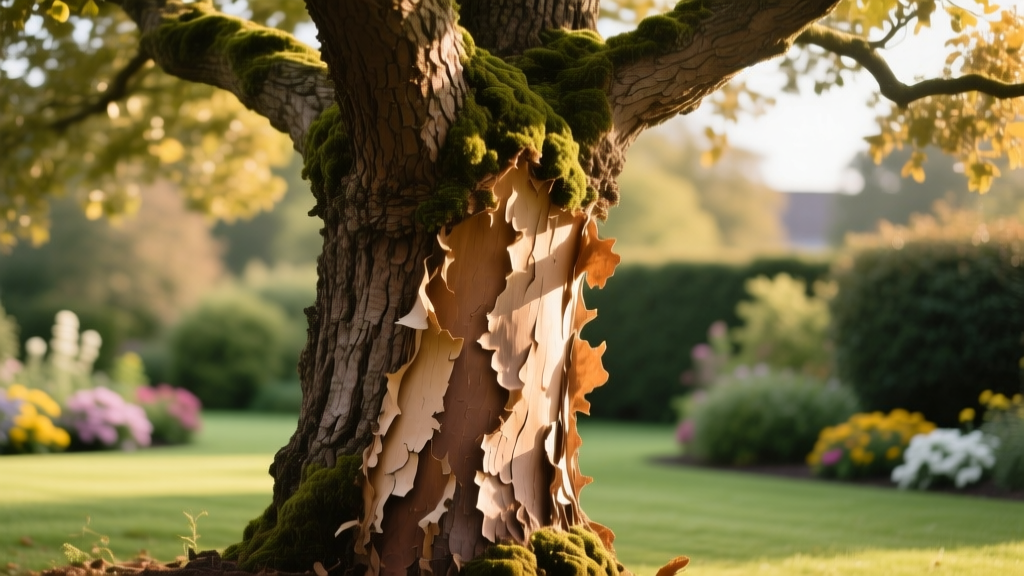
Tree Peeling Bark: How to Diagnose and Treat Yard Trees
The Anatomy of Bark Shedding: Normal vs. Abnormal
Bark is a tree’s primary defense against moisture loss, temperature extremes, and boring insects. When you notice tree peeling bark, the immediate reaction is often panic. However, bark exfoliation is a natural growth process for specific species, while for others, it signals severe environmental stress, fungal infection, or fatal insect infestation. Accurate diagnosis requires understanding the difference between natural shedding and pathological sloughing.
Natural Exfoliators: If your tree is a Sycamore, River Birch, Crape Myrtle, Silver Maple, Lacebark Pine, or Paperbark Maple, peeling bark is a sign of healthy trunk expansion. The outer bark dies and flakes off to reveal vibrant inner bark. No treatment is required.
For non-exfoliating species like Oak, Ash, Linden, and Fruit Trees, peeling bark indicates that the cambium layer (the living tissue just beneath the bark) has died. Once the cambium dies, the outer bark loses its moisture supply, dries out, and detaches. The goal of this guide is to help you identify the root cause of this cambial death and execute the correct intervention.
Four Primary Causes of Abnormal Tree Peeling Bark
1. Sunscald (Southwest Winter Injury)
Sunscald primarily affects thin-barked trees (Maples, Ashes, Lindens, and fruit trees) during late winter. The southwest-facing side of the trunk absorbs intense afternoon sun, warming the cambium and stimulating cellular activity. When the sun sets and temperatures plummet below freezing, the active cells rupture and die. By spring, the damaged bark dries, cracks, and peels away, leaving a vertical, sunken wound.
2. Hypoxylon Canker (Fungal Pathogen)
Hypoxylon is an opportunistic fungus that attacks stressed hardwoods, particularly oaks suffering from drought, root compaction, or construction damage. The fungus colonizes the sapwood, killing the cambium. As the bark sloughs off, it reveals a crusty, grayish-black or tan fungal mat (stroma) underneath. According to the Morton Arboretum, once the fungal mat is visible on the main trunk, the structural integrity of the tree is severely compromised.
3. Wood-Boring Insects
Borers like the Emerald Ash Borer (EAB) and Bronze Birch Borer lay eggs in bark crevices. The larvae tunnel through the cambium and phloem, creating S-shaped galleries that girdle the tree and cut off nutrient flow. The tree attempts to push the larvae out, causing the bark to split and peel. Look for D-shaped exit holes (1/8 inch wide) and woodpecker damage, as birds flock to trees to eat the larvae.
4. Mechanical Girdling and Root Flare Burial
Repeated impacts from lawnmowers and string trimmers destroy the cambium at the base of the trunk. Additionally, piling mulch against the trunk (“volcano mulching”) or burying the root flare during landscaping keeps the bark constantly wet, leading to phytophthora rot and subsequent bark sloughing at the soil line.
Step-by-Step Field Diagnosis Protocol
Before applying any treatments, you must confirm whether the affected tissue is dead and identify the specific pathogen or stressor. Follow this diagnostic sequence:
- The Cambium Scratch Test: Using a sterilized pocket knife, gently scrape away a small sliver of the outer bark at the edge of the peeling area. If the tissue underneath is green and moist, the tree is still alive and fighting. If it is brown, dry, and brittle, the cambium is dead.
- Gallery and Frass Inspection: Peel back a loose flap of bark. Look for sawdust-like frass and winding, packed tunnels. If you find D-shaped exit holes on the outer bark, you are dealing with borers. The Penn State Extension notes that EAB galleries are distinctly serpentine and packed with fine brown frass.
- Canopy Correlation: Look up. Bark peeling on the trunk will correspond to dead, leafless branches in the canopy directly above it. If more than 40% of the canopy is dead, the tree is in decline and may not be savable.
- Orientation Check: If the peeling is strictly isolated to the southwest-facing side of the trunk and the tree is a thin-barked species, sunscald is the primary diagnosis.
Treatment and Mitigation Strategies
Treatment viability depends entirely on the cause and the percentage of the trunk circumference affected. If bark peeling encompasses more than 50% of the trunk's circumference, the tree will likely girdle and die, making removal the most cost-effective option.
| Cause | Intervention Strategy | Specific Products / Costs | Success Rate |
|---|---|---|---|
| Sunscald | Protective wrapping in winter; painting exposed wood to reflect UV. | White polypropylene tree wrap ($8-$12/roll). 50/50 white interior latex paint and water. | High (Preventative) |
| Wood Borers | Systemic trunk injections applied by a licensed arborist. | Emamectin benzoate (ArborMectin). Professional cost: $12-$18 per inch of DBH. | High (If <30% canopy dead) |
| Hypoxylon Canker | No chemical cure. Prune affected limbs; remove tree if on main trunk. | Professional removal: $800 - $2,500 depending on height and access. | Zero (Curative) |
| Mechanical Damage | Trace the wound with a sterilized knife to remove jagged bark; keep soil moist. | Mulch ring installation (2-3 inches deep, keeping away from trunk flare). | Moderate (Depends on width) |
Warning: Avoid Pruning Sealers. Never apply black tar, pruning paint, or wound sealers to exposed wood where bark has peeled off. Research from university forestry programs confirms these products trap moisture and fungal spores against the wood, accelerating decay. Trees compartmentalize wounds naturally; leave the exposed wood clean and dry.
Executing Sunscald Prevention
To prevent winter sunscald on newly planted or thin-barked trees, wrap the trunk from the base up to the first major scaffold branches using a white polypropylene tree wrap. Apply the wrap in late November (around Thanksgiving) and remove it in early April (around Easter). Leaving wrap on year-round traps moisture and invites fungal cankers. If the bark has already peeled due to sunscald, trace the edges of the wound with a sharp knife to create smooth, oval margins, which helps the tree form callus tissue faster. Paint the exposed wood with a 50/50 mixture of water and white interior latex paint to prevent further UV and temperature damage.
Managing Borer Infestations
If you identify borer galleries, soil drenches containing Imidacloprid are largely ineffective against heavy Emerald Ash Borer infestations due to uptake limitations in mature trees. The current industry standard is professional trunk injection using Emamectin benzoate. This provides two to three years of systemic protection. According to University of Minnesota Extension, preventive treatments are vastly more successful than attempting to save a tree that has already lost significant canopy to borer girdling.
When to Remove: The Hazard Assessment Framework
Not all trees with peeling bark can or should be saved. Use this framework to determine if the tree has become a structural liability:
- The 30% Rule: If peeling bark and associated canopy dieback exceed 30% of the tree's total volume, the tree is in irreversible decline. Remove it before it drops limbs on your property.
- Fungal Conks and Mats: If Hypoxylon canker or Armillaria root rot is present on the main trunk, the internal wood is rotting. The tree is a windthrow hazard.
- Severe Girdling: If mechanical damage or frost cracks have destroyed more than 50% of the trunk's circumference, the vascular system cannot support the canopy. The tree will slowly starve and become brittle.
Addressing tree peeling bark early is the difference between a $150 preventative trunk injection and a $2,000 emergency hazardous tree removal. Inspect your yard trees bi-annually, perform the scratch test when anomalies appear, and consult an ISA-certified arborist when structural integrity is in question.

