
Tree Care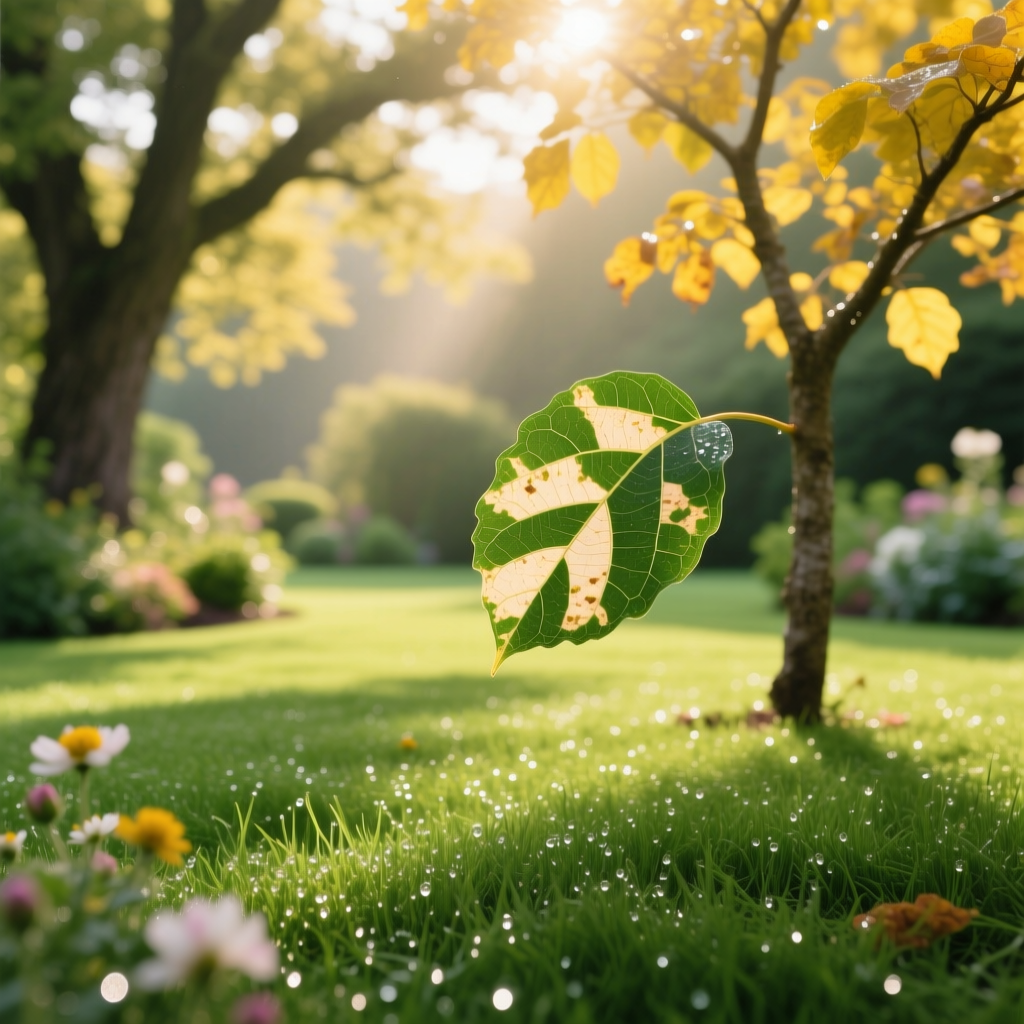
Diagnosing and Treating Iron Chlorosis: A Guide to Yellowing Tree Leaves
Anna KowalskiPublished
Diagnosing and Treating Iron Chlorosis: A Guide to Yellowing Tree Leaves
Trees are the majestic anchors of any landscape, providing essential shade, improving air quality, and boosting property value. However, when the vibrant green canopy of your favorite tree begins to fade into a sickly yellow, it is a clear distress signal. One of the most common and destructive nutritional disorders affecting landscape trees is iron chlorosis. If left untreated, this condition can lead to severe dieback, increased susceptibility to pests and diseases, and eventually the death of the tree.
Iron chlorosis is not merely a cosmetic issue; it is a fundamental breakdown in the tree’s ability to photosynthesize and produce energy. For homeowners and landscape enthusiasts, understanding the underlying causes of yellowing leaves is the first step toward restoring tree vitality. Furthermore, the health of your trees is deeply intertwined with the health of your surrounding turf. A struggling tree can alter light patterns and soil chemistry, impacting your grass. By integrating comprehensive tree care practices with holistic landscape management, you can protect both your canopy and your lawn.
In this extensive guide, we will explore the science behind iron chlorosis, how to accurately diagnose it, the most effective treatment protocols, and the seasonal maintenance routines required to keep your trees thriving for generations.
Understanding Iron Chlorosis and Its Causes
Iron is an essential micronutrient required for the synthesis of chlorophyll, the green pigment responsible for capturing sunlight and converting it into usable energy through photosynthesis. While iron is typically abundant in most soils, it is frequently present in forms that plant roots cannot absorb. When a tree cannot uptake sufficient iron, the production of chlorophyll halts, resulting in the characteristic yellowing of the foliage known as chlorosis.
The primary culprit behind iron chlorosis is high soil pH, also known as alkaline soil. In soils with a pH above 7.0, iron oxidizes and binds tightly to soil particles, rendering it completely insoluble and unavailable to tree roots. Many regions naturally possess alkaline soils rich in calcium carbonate (lime), which severely restricts iron mobility. Additionally, the use of hard, alkaline irrigation water can gradually raise soil pH over time, exacerbating the problem.
Beyond soil chemistry, physical soil conditions play a massive role in nutrient uptake. Compacted soils, poor drainage, and heavy clay profiles restrict root expansion and suffocate the fine feeder roots responsible for nutrient absorption. When soil is waterlogged, oxygen is depleted, and root respiration ceases, effectively shutting down the tree’s ability to draw up iron and other vital minerals. Furthermore, construction damage, root girdling, and severe root rot diseases can destroy the vascular pathways needed to transport whatever iron is available from the soil to the upper canopy.
It is also important to consider the surrounding landscape environment. Over-application of certain phosphorus-heavy fertilizers on nearby lawns can create a chemical antagonism in the soil. Excess phosphorus can bind with iron, forming insoluble iron phosphate complexes that tree roots cannot utilize. Therefore, maintaining a balanced approach to soil testing and fertilization is critical for the entire ecosystem of your yard.
Diagnosing Yellowing Leaves: Is It Iron Chlorosis?
Accurate diagnosis is crucial before applying any treatments, as yellowing leaves can be symptomatic of various environmental stresses, diseases, and nutrient deficiencies. Iron chlorosis presents a very specific visual pattern known as interveinal chlorosis. In this condition, the leaf tissue turns pale yellow or almost white, while the veins remain distinctly green. This creates a striking, net-like appearance on the foliage.
One of the most reliable ways to differentiate iron deficiency from other nutrient issues is to observe where the symptoms first appear on the tree. Iron is an immobile nutrient within the plant, meaning the tree cannot easily translocate it from older leaves to support new growth. Consequently, iron chlorosis always manifests first on the newest, youngest leaves at the tips of the branches. In contrast, a nitrogen deficiency—which is a mobile nutrient—will cause the older, interior leaves to yellow first as the tree scavenges nitrogen to support new growth.
As iron chlorosis progresses from a mild deficiency to a severe one, the symptoms worsen. The yellowed leaf margins and tips may begin to turn brown and crispy, a condition known as necrosis. This tissue death occurs because the cells, lacking chlorophyll, are essentially starved and damaged by sunlight. Eventually, the affected branches will experience dieback, and the tree will prematurely drop its leaves. Severe, multi-year chlorosis leaves the tree highly vulnerable to secondary invaders, such as borers, fungal cankers, and root rot pathogens.
To confirm your visual diagnosis, it is highly recommended to conduct a professional soil test. A comprehensive soil analysis will reveal the exact pH level, the presence of free lime, and the baseline nutrient profile. Testing the foliar tissue of the affected leaves can also provide definitive proof of iron starvation. If you suspect that poor drainage or soil compaction is the underlying cause, a physical inspection of the root flare and a percolation test can help pinpoint the environmental stressors. Accurate diagnosis ensures you do not waste time and money treating for fungal diseases or nitrogen deficiencies when the true issue is locked-up iron.
Effective Treatments for Iron Deficient Trees
Once iron chlorosis is confirmed, a multi-pronged treatment strategy is required to restore the tree’s health. The best approach depends on the severity of the deficiency, the size of the tree, the soil pH, and the time of year. Below are the most effective treatment methods utilized by arborists and landscape professionals.
Soil Application of Chelated Iron
Chelates are organic molecules that bind to iron ions, protecting them from oxidizing and locking up in alkaline soils. This keeps the iron soluble and available for root uptake. However, not all chelates are created equal. EDTA chelates are effective in slightly acidic to neutral soils but break down rapidly in high-pH environments. For alkaline soils (pH above 7.5), EDDHA chelated iron is the gold standard. EDDHA remains stable even in highly calcareous soils, delivering iron directly to the root zone. Soil drenches or granular applications of EDDHA chelated iron should be applied in the early spring just before bud break for maximum efficacy.
Trunk Injections and Macro-Infusions
For massive, mature trees or cases of severe, acute chlorosis where rapid results are necessary, trunk injections are the most effective delivery method. This process involves drilling small holes into the xylem tissue of the lower trunk and using pressurized systems or gravity-fed capsules to introduce soluble iron compounds directly into the tree’s vascular system. Trunk injections bypass the soil entirely, providing a rapid greening response often within weeks. However, this method is invasive and creates physical wounds on the trunk. It should only be performed by certified arborists using sterile equipment to prevent the introduction of wood-decaying fungi or vascular diseases like oak wilt.
Foliar Sprays
Spraying a liquid iron solution directly onto the leaves can provide a very quick, albeit temporary, cosmetic fix. The iron is absorbed through the leaf stomata, causing the treated leaves to green up within days. The major limitation of foliar sprays is that they do not address the underlying root or soil issues, and the treatment must be repeated multiple times throughout the growing season. Furthermore, foliar sprays only affect the leaves they touch; new growth that emerges after the spray will still be chlorotic. This method is best reserved for small trees or as a stop-gap measure while long-term soil treatments take effect.
Soil Acidification and Amendment
To address the root cause of the problem in alkaline soils, lowering the soil pH is a vital long-term strategy. Applying elemental sulfur or sulfur-based soil acidifiers can gradually reduce soil pH, naturally freeing up bound iron. This process is slow and can take months or even years to significantly alter the soil chemistry, especially in heavy clay soils. Incorporating organic matter, such as peat moss or well-rotted compost, into the root zone can also help buffer soil pH, improve drainage, and stimulate microbial activity that aids in nutrient cycling. For more tips on improving your overall landscape soil, review our guide on mulching best practices and organic soil amendments.
Pruning and Maintaining Trees with Chlorosis
While treating the soil and vascular system addresses the chemical imbalance, physical tree maintenance is equally important to help a chlorotic tree recover. Trees suffering from severe iron deficiency are under immense physiological stress. They are expending energy trying to produce leaves that cannot photosynthesize effectively. Strategic pruning can help alleviate this stress and redirect the tree’s limited resources toward healthy, viable growth.
The first step in pruning a chlorotic tree is crown cleaning. This involves the careful removal of dead, dying, diseased, or severely necrotic branches. Deadwood acts as a sink for the tree’s defensive compounds and provides entry points for opportunistic pests and decay fungi. By removing these non-productive limbs, the tree can focus its energy on sustaining the remaining healthy foliage and generating new, vigorous shoots.
However, it is absolutely critical to avoid over-pruning. A tree already weakened by chlorosis cannot handle the shock of a heavy canopy reduction. Removing too much live tissue will force the tree to expend its depleted carbohydrate reserves to push out emergency water sprouts and epicormic growth, further weakening its overall structure and immune system. Limit pruning to less than 10% of the live canopy in a single season.
Sanitation is another non-negotiable aspect of pruning stressed trees. Always sterilize your pruning saws, loppers, and shears with a 10% bleach solution or 70% isopropyl alcohol between cuts, especially when removing diseased wood. This prevents the accidental transmission of bacterial or fungal pathogens from infected branches to healthy tissue. For a comprehensive breakdown of proper cutting techniques, branch collar identification, and tool maintenance, consult our detailed pruning techniques guide.
Finally, inspect the base of the tree for girdling roots or soil mounded over the root flare. If the tree was planted too deeply or if mulch has been piled against the trunk (creating a ‘mulch volcano’), the root flare must be carefully excavated using an air spade or hand tools. Exposing the root flare allows the tree to breathe and prevents the slow strangulation of the vascular system, which severely mimics and exacerbates the symptoms of iron chlorosis.
Seasonal Tips and Preventative Lawn and Tree Care
Managing iron chlorosis is not a one-time event; it requires a proactive, seasonal approach to landscape management. By aligning your tree care routines with the natural growth cycles of the tree, you can maximize treatment efficacy and prevent future outbreaks.
Spring: Assessment and Early Intervention
Spring is the most critical season for treating iron chlorosis. As the tree breaks dormancy and sap begins to flow, it is the ideal time to apply soil drenches of EDDHA chelated iron or perform trunk injections. The upward movement of water and nutrients will rapidly distribute the iron throughout the expanding canopy. Monitor the new growth closely; if the emerging leaves are still showing severe interveinal chlorosis, supplemental foliar sprays can be applied once the leaves have fully expanded and hardened off.
Summer: Moisture Management and Stress Reduction
During the heat of summer, chlorotic trees are highly susceptible to drought stress and sunscald, as their compromised leaves cannot regulate temperature or retain moisture effectively. Deep, infrequent watering is essential. Utilize soaker hoses or drip irrigation to deliver water slowly to the outer two-thirds of the root zone, encouraging deep root growth. Avoid overhead watering, which can promote fungal foliar diseases. Proper watering techniques not only save your trees but also align with efficient proper watering strategies for your surrounding turfgrass.
Fall: Soil Amendment and Root Building
Autumn is the perfect time to focus on long-term soil remediation. While the canopy is going dormant, the root system is still actively growing and absorbing nutrients. Apply elemental sulfur to begin the slow process of lowering soil pH. Fall is also an excellent time to apply a slow-release, low-phosphorus organic fertilizer to stimulate root development without forcing vulnerable late-season top growth. Top-dressing the root zone with a thin layer of high-quality compost will improve soil structure and microbial life over the winter months.
Winter: Protection and Planning
Use the dormant season to assess the tree’s structure and perform any major corrective pruning that was delayed during the growing season. Protect the trunks of young, thin-barked trees from winter sunscald and frost cracks, which can damage the cambium layer and disrupt future nutrient transport. Review your soil test results from the previous year and order your chelated iron and soil amendments so you are fully prepared to treat the tree the moment spring arrives.
Frequently Asked Questions (FAQ)
Can iron chlorosis kill my tree?
Yes, if left untreated for multiple consecutive years, severe iron chlorosis can absolutely kill a tree. The chronic inability to photosynthesize depletes the tree’s stored carbohydrate reserves. As the tree starves, it experiences progressive branch dieback and loses its natural ability to produce defensive chemicals. This makes the tree highly susceptible to fatal secondary attacks from wood-boring insects, bark beetles, and aggressive fungal pathogens like Armillaria root rot.
How long does it take for chelated iron to work?
The timeline depends heavily on the application method and the tree’s growth cycle. Trunk injections can produce visible greening in as little as two to four weeks. Soil drenches applied in early spring typically take four to eight weeks to show results, as the roots must absorb the iron and transport it to the canopy. Foliar sprays work the fastest, often greening up treated leaves within a few days, but the effect is strictly temporary and does not cure the underlying systemic deficiency.
Will treating my tree's iron chlorosis affect my lawn?
Generally, treatments for tree iron chlorosis are safe for surrounding lawns when applied correctly. Chelated iron soil drenches and elemental sulfur are often used in turfgrass management as well. However, if you are using heavy applications of soil acidifiers, be mindful that drastically lowering the pH of the soil immediately beneath the tree canopy could eventually affect the adjacent turfgrass, potentially making it more susceptible to certain weeds or fungal diseases. Always follow label rates and water soil amendments in thoroughly to prevent root burn to nearby grass.
What trees are most susceptible to iron chlorosis?
While any tree can suffer from iron deficiency in highly alkaline or compacted soils, certain species are notoriously sensitive and prone to severe chlorosis. These include pin oaks, silver maples, red maples, river birches, sweetgums, and bald cypresses. If you live in an area with naturally high-pH soils, it is highly recommended to select tolerant species, such as bur oaks, white oaks, ash, or hackberry, to avoid chronic maintenance issues.
Can I use lawn fertilizer to fix tree iron chlorosis?
No, standard lawn fertilizers are generally ineffective and can sometimes worsen tree iron chlorosis. Most turf fertilizers are heavily weighted toward nitrogen and phosphorus. While the nitrogen might temporarily push out some green growth, the high phosphorus content can bind with iron in the soil, locking it up further. Trees require specialized, low-phosphorus formulations with specific micronutrient chelates designed for deep-root woody plants, not shallow-rooted grasses.
By understanding the intricate relationship between soil chemistry, root health, and canopy vitality, you can successfully diagnose and treat iron chlorosis. Consistent monitoring, proper pruning, and targeted seasonal treatments will ensure your trees remain vibrant, healthy, and deeply rooted in your landscape for decades to come.

