
Tree Care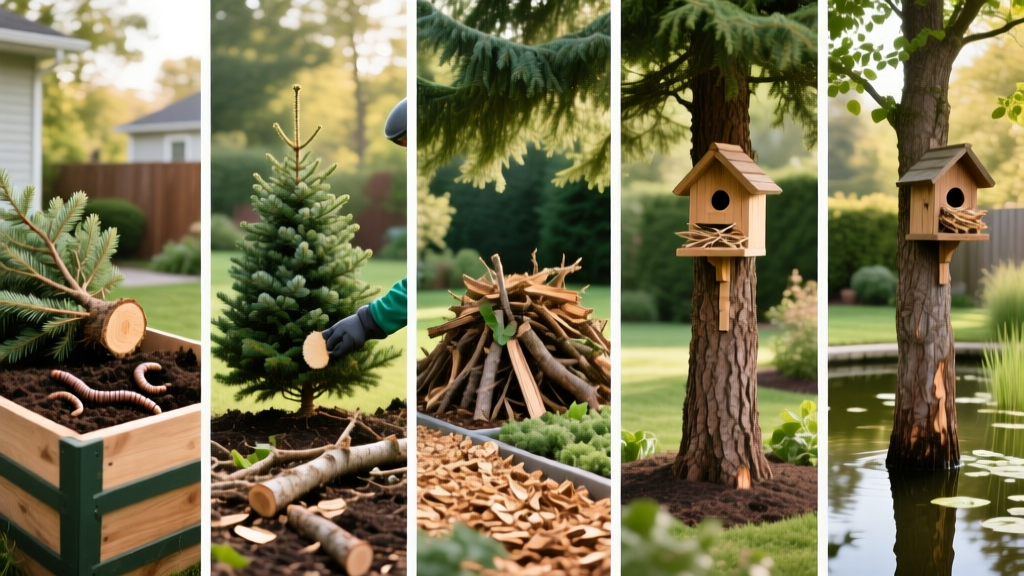
How to Dispose of a Christmas Tree: 5 Eco-Friendly Methods
Once the holidays end, a live Christmas tree rapidly transitions from a festive centerpiece to a severe fire hazard and a shedding nuisance. According to the National Fire Protection Association (NFPA), dried-out conifers are highly combustible, capable of engulfing a living room in flames in under 30 seconds. Proper disposal is not just about clearing floor space; it is a critical safety measure and an opportunity to return valuable organic matter to the local ecosystem.
Determining exactly how to dispose of a Christmas tree depends on your municipality's infrastructure, the tree's condition, and whether it has been chemically treated. Below is a comprehensive diagnostic guide to routing your tree away from the landfill and into productive environmental channels.
Diagnostic Matrix: Choosing Your Disposal Route
Not all trees can be processed identically. Use this decision matrix to identify the correct disposal pathway based on your specific tree type and condition.
| Tree Condition | Flocked / Painted? | Optimal Disposal Route | Estimated Cost |
|---|---|---|---|
| Standard Live Cut (Fraser, Douglas, Noble Fir) | No | Municipal Curbside Yard Waste | Free (Included in taxes) |
| Standard Live Cut (Over 6 ft. tall) | No | Drop-off Mulching Center | $0 - $10 drop fee |
| Flocked or Artificial Snow-Coated | Yes | Landfill (Solid Waste Bin) | Standard trash pickup |
| Root-Balled / Living Potted Tree | No | Transplant to Yard or Donate | Cost of soil/amendments |
| Untreated Pine / Fir (Rural Properties) | No | DIY Garden Habitat & Erosion Control | Free |
Method 1: Municipal Curbside Pickup (The Standard Route)
Most suburban and urban waste management districts offer a two-to-three-week window in early January specifically for Christmas tree collection. However, municipal composting facilities utilize heavy-duty industrial grinders, and improper preparation can cause catastrophic equipment failure.
The Tinsel and Wire Problem
You must strip the tree of every single piece of tinsel, garland, and wire ornament hook. Tinsel is typically made of PVC or metallized vinyl. When fed into a commercial tub grinder, this material wraps tightly around the main rotor shafts, requiring facilities to shut down for hours and incur thousands of dollars in maintenance to cut the material free. Penn State Extension explicitly warns that a single strand of garland can contaminate an entire 20-ton batch of premium landscape mulch, rendering it unsellable.
Size Restrictions and Cutting
If your tree exceeds 6 feet in height, most municipalities require you to cut it in half or into 3-foot segments. Use a pruning saw or reciprocating saw to make clean cuts through the trunk. Do not attempt to jam a 7-foot tree into a 32-gallon yard waste cart; it will be flagged as illegal dumping and left on the curb.
⚠️ CRITICAL WARNING: Never Burn Your Tree
Do not burn Christmas tree wood in an indoor fireplace or standard wood stove. Conifers like pine and fir contain high levels of volatile resins and creosote. Burning them causes rapid creosote buildup in your chimney flue, drastically increasing the risk of a chimney fire. Furthermore, the sudden moisture-to-steam expansion in dry needles can cause wood to pop explosively, shattering fireplace glass doors.
Do not burn Christmas tree wood in an indoor fireplace or standard wood stove. Conifers like pine and fir contain high levels of volatile resins and creosote. Burning them causes rapid creosote buildup in your chimney flue, drastically increasing the risk of a chimney fire. Furthermore, the sudden moisture-to-steam expansion in dry needles can cause wood to pop explosively, shattering fireplace glass doors.
Method 2: Drop-Off Recycling and Mulching Programs
If you miss the curbside window or live outside municipal pickup zones, local parks departments and botanical gardens frequently host "Treecycling" drop-off events. These programs chip the trees on-site, often allowing residents to take a bucket of fresh woodchips home for free.
A standard 6-foot Douglas Fir yields approximately 15 to 20 pounds of usable mulch. Fresh Christmas tree mulch is highly acidic (pH 5.0 to 6.0) and rich in carbon, making it an excellent top-dressing for acid-loving shrubs like azaleas, rhododendrons, and blueberries. Pro-Tip: Bring a heavy-duty tarp and bungee cords to the drop-off site. Shoveling loose, damp mulch directly into the bed of a pickup truck will result in significant loss and staining during the drive home.
Method 3: DIY Yard Habitat and Erosion Control
For homeowners with larger properties, the tree can be systematically deconstructed to serve multiple ecological functions in the winter garden.
- Frost Heave Prevention: Cut the branches flush with the trunk using bypass loppers. Lay these pine boughs over shallow-rooted perennial beds (like garlic, strawberries, or newly planted bulbs). The branches act as a breathable insulation blanket, preventing the freeze-thaw cycles of late winter from pushing plant roots out of the soil—a phenomenon known as frost heave.
- Wildlife Brush Piles: Stack the cut branches in a secluded corner of the yard to create a brush pile. This provides critical winter thermal cover for overwintering birds, toads, and beneficial insects.
- Trunk Edging and Staking: The main trunk can be cut into 6-inch logs using a chainsaw or handsaw to create natural, biodegradable edging for garden paths. Alternatively, save the straightest sections of the trunk to use as sturdy stakes for supporting tomato plants or peonies in the spring.
DIY Wood Chipping Logistics
If you prefer to turn the entire tree into mulch yourself, you can rent a commercial-grade wood chipper from equipment rental centers. Expect to pay between $120 and $180 for a 4-hour rental of a 3-inch capacity chipper. Note: January trees are notoriously dry. To prevent the chipper from jamming on brittle wood, heavily soak the tree with a hose 24 hours before chipping to reintroduce moisture into the cambium layer.
Method 4: Aquatic Habitat and Wetland Restoration
Many state Departments of Natural Resources (DNR) and local conservation districts collect untreated Christmas trees to sink into lakes, ponds, and reservoirs. Submerged conifers provide complex structural habitats for juvenile fish, particularly largemouth bass and bluegill, offering protection from predators and ambush points for feeding.
To qualify for these programs, the tree must be 100% natural. No flocking, no painted trunks, and absolutely no metal wire or plastic netting (often used by tree farms to transport the trees). Conservation crews typically bundle 5 to 10 trees together, attach them to cinder blocks, and drop them into designated underwater structures mapped by sonar.
The Flocked Tree Problem: Landfill Mandates
Flocked trees present a unique disposal challenge. The "snow" applied to these trees is a mixture of cellulose fibers, synthetic adhesives, and chemical flame retardants. Because of this chemical composition, flocked trees cannot be composted, mulched, or sunk into fish habitats. The adhesives do not break down in commercial composting windrows, and the chemical runoff is toxic to aquatic ecosystems.
If your tree is flocked, it must be treated as standard solid waste. Cut it into manageable sections that fit inside your black landfill trash bin, or schedule a special bulk pickup with your local waste hauler, which may incur a $15 to $30 surcharge.
Pre-Disposal Preparation Checklist
Before moving the tree out of your home, execute this step-by-step containment protocol to protect your interior floors and prevent pest migration:
- Hydrate the Needles: Give the tree stand one final watering an hour before removal. Slightly damp needles are less likely to shatter and drop during transit.
- The Sheet Wrap Method: Drape a large cotton bed sheet or a specialized tree disposal bag over the top of the tree, pulling it down to the trunk. This catches 90% of falling needles and loose debris.
- Secure the Trunk: Use twine or ratchet straps to bind the lower branches tightly against the trunk, reducing the tree's profile for navigating narrow doorways.
- Inspect for Hitchhikers: While wrapping, visually scan the lower branches for praying mantis egg cases (oothecae) or spider egg sacs. If found, carefully prune that specific twig and place it outside in a garden bed so the beneficial insects can hatch naturally in the spring.

