
Tree Care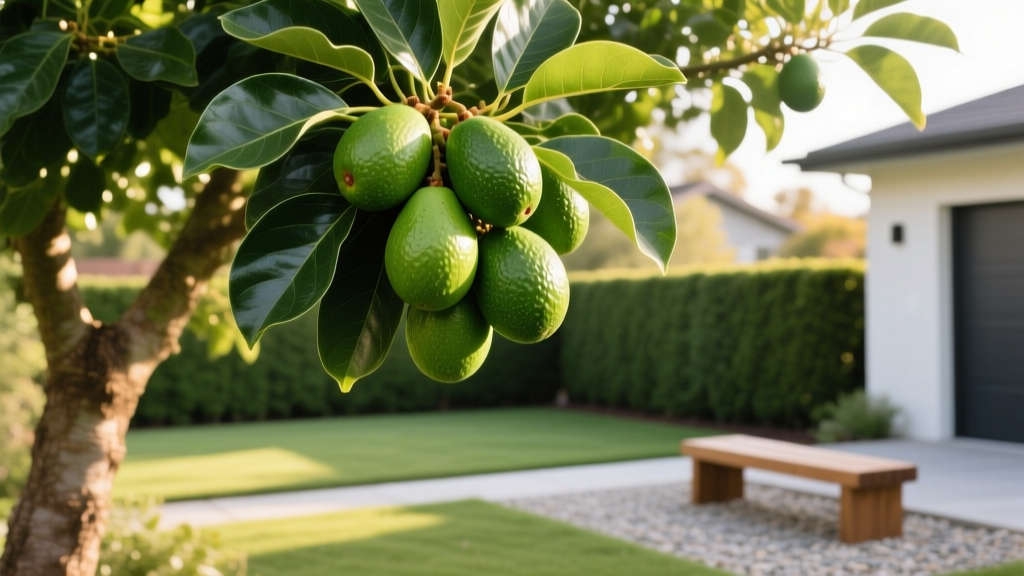
Do Avocados Grow on Trees? Botanical Facts & Yard Care Guide
The Short Answer: Yes, Avocados Grow on Large Evergreen Trees
If you have ever wondered, "do avocados grow on trees?" the answer is a definitive yes. Avocados are the fruit of Persea americana, a large, broadleaf evergreen tree belonging to the Lauraceae (laurel) family. Unlike bush berries or ground-dwelling melons, avocado trees can reach staggering heights of 30 to 60 feet in their natural, unmanaged environment. In residential landscapes, however, they are typically maintained at a more manageable 10 to 15 feet through strategic pruning.
Native to the Americas, these trees thrive in frost-free environments, specifically USDA Hardiness Zones 9 through 11. Understanding the botanical anatomy, flowering mechanics, and specific soil requirements of the avocado tree is critical for homeowners looking to transition from simply growing a leafy canopy to harvesting a reliable yield of high-quality fruit.
Anatomical Identification: How to Spot an Avocado Tree
Identifying an avocado tree requires looking at specific morphological traits that distinguish it from other tropical and subtropical fruit trees like citrus or mango.
Leaf Structure and Canopy
Avocado leaves are elliptic to oval-shaped, typically measuring 4 to 12 inches in length. They are dark, glossy green on the upper surface with a distinctly paler, almost whitish-green underside. The venation is pinnate, with prominent midribs. A unique identification trait of the Mexican race of avocados is the distinct anise or licorice-like scent emitted when a leaf is crushed between your fingers.
Bark and Trunk Characteristics
Young avocado trees feature smooth, pale grayish-green bark. As the tree matures, the trunk thickens and the bark develops shallow, irregular fissures, turning a darker grayish-brown. The root system is surprisingly shallow and highly susceptible to suffocation, which dictates strict planting and mulching protocols (detailed below).
The Botanical Miracle: Protogynous Dichogamy
The most complex aspect of avocado tree care is understanding its flowering behavior. Avocado trees exhibit a rare botanical phenomenon called protogynous dichogamy. Each flower opens twice: first as female, then closes, and reopens the next day as male. To maximize fruit set, arborists and horticulturists categorize cultivars into Type A and Type B flowering schedules. Planting one of each type in close proximity dramatically increases cross-pollination and fruit yield.
| Flowering Type | Day 1 (Female Stage) | Day 2 (Male Stage) | Common Cultivars |
|---|---|---|---|
| Type A | Opens morning, closes afternoon | Opens late afternoon | Hass, Gwen, Pinkerton, Reed, Mexicola |
| Type B | Opens late afternoon, closes evening | Opens late morning | Bacon, Zutano, Fuerte, Sharwil, Winter Mexican |
Source: Flowering data adapted from the UC Riverside Avocado Varieties database.
Expert Tip: While a single 'Hass' (Type A) tree can self-pollinate to some degree because its male and female stages occasionally overlap in warm weather, pairing it with a 'Bacon' or 'Zutano' (Type B) tree will increase your fruit set by up to 40%.
Cultivar Selection and Cold Hardiness
Choosing the right tree for your yard depends heavily on your local microclimate. Avocado trees are broadly divided into three ecological races, each with distinct temperature tolerances:
- Mexican Race: The most cold-hardy. Can survive brief dips down to 18°F (-7°C). Leaves have an anise scent. Fruit is small, thin-skinned, and highly flavorful (e.g., 'Mexicola Grande', 'Lila').
- Guatemalan Race: Moderate cold tolerance (down to 26°F / -3°C). Produces large, thick-skinned fruit with high oil content (e.g., 'Hass', 'Reed').
- West Indian Race: Highly sensitive to cold; damaged at 31°F (-0.5°C). Produces massive, low-oil, watery fruit. Best reserved for deep South Florida or tropical zones.
For homeowners in marginal zones (Zone 8b or 9a), selecting a cold-hardy Mexican hybrid like 'Lila' (a semi-dwarf reaching only 8-10 feet) or 'Joey' is essential for long-term survival. According to the UF/IFAS Extension, planting on the south side of a building or under a protective tree canopy can provide up to 4 degrees of frost protection.
Essential Yard Care: Soil, Water, and Disease Prevention
Avocado trees are notoriously finicky regarding soil moisture and drainage. The leading cause of avocado tree death in residential yards is Phytophthora cinnamomi, a devastating water mold that causes root rot.
Planting and Drainage Protocols
Never plant an avocado tree in heavy, unamended clay soil or in a low-lying depression where water pools. If your yard has poor drainage, plant the tree on a raised mound or berm 12 to 18 inches high and 3 to 5 feet wide.
The Mulch Rule: Apply a coarse wood chip mulch layer 4 to 6 inches thick to retain moisture and suppress weeds. Crucial: Keep the mulch at least 6 to 8 inches away from the actual trunk. Piling mulch against the bark (volcano mulching) invites collar rot and fungal cankers, which will girdle and kill the tree.
Fertilization and Micronutrients
Mature avocado trees require a balanced fertilizer with a higher potassium ratio, such as a 10-5-20 NPK formulation. However, they are highly susceptible to zinc and boron deficiencies, which manifest as small, mottled, yellowing leaves and misshapen fruit. Apply a foliar spray containing chelated zinc and boron twice a year (spring and late summer) to correct these deficiencies.
Structural Pruning for Young Trees
Unlike peach or apple trees, avocados do not require aggressive annual fruiting wood pruning. The goal is structural integrity and canopy management.
- Initial Heading Cut: When planting a young, whippy grafted tree, snip the central leader at 24 inches above the soil line. This forces lateral scaffolding branches to emerge lower on the trunk.
- Scaffold Selection: Select 3 to 4 strong lateral branches spaced evenly around the trunk to serve as your primary scaffolds. Remove competing vertical water sprouts.
- Canopy Skirting: Once mature, prune the lowest branches so the canopy starts about 2 feet off the ground. This prevents soil-borne pathogens from splashing onto the lower leaves during heavy rains and allows for easier mulching and irrigation access.
Frequently Asked Questions
Can I grow an avocado tree from a grocery store pit?
Yes, you can sprout a pit in water, but it is not recommended for fruit production. A tree grown from a seed is not a genetic clone of the parent and may take 7 to 15 years to fruit, if it ever does. The fruit quality is highly unpredictable. For reliable harvests within 2 to 3 years, always purchase a grafted tree from a certified nursery.
Why is my avocado tree dropping all its small fruit?
Avocado trees naturally drop up to 90% of their initial fruit set as a self-regulating mechanism. However, excessive drop of marble-sized fruit is usually caused by water stress (either drought or waterlogged roots) or extreme heat spikes above 90°F during the spring flowering window. Maintain consistent, deep watering to mitigate stress-induced abscission.
Do avocados grow on trees indoors?
While dwarf cultivars like 'Wurtz' (Little Cado) can be grown in large 25-gallon containers and moved indoors during winter, they require intense, direct sunlight (minimum 8 hours) to thrive. Indoor trees rarely produce fruit due to the lack of natural pollinators and the inability to achieve the necessary temperature fluctuations for flower induction.

