
Tree Care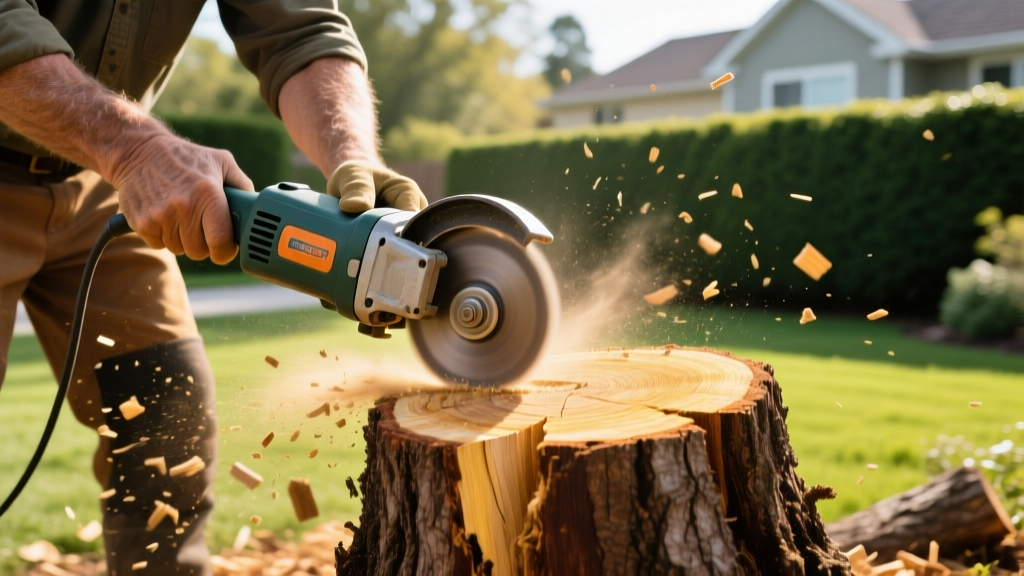
Easy Stump Removal: A Pest and Weed Eradication Playbook
The Hidden Pest Liability of Decaying Stumps
Leaving a felled tree stump in your yard is rarely just an aesthetic compromise; it is an active invitation for structural pests and invasive pathogens. From a pest management perspective, a decaying stump acts as a biological sponge and a staging ground for wood-destroying organisms. Subterranean termites, particularly the aggressive Coptotermes formosanus (Formosan termite), use buried root systems and stumps as satellite colonies before migrating to your home's foundation. According to the University of Kentucky Entomology Department, mulch and wood debris in direct contact with soil significantly increase the foraging radius of subterranean termites, bridging the gap between the yard and your structural timber.
Beyond termites, stumps harbor carpenter ants (Camponotus spp.), which excavate galleries in moist, decaying wood, and bark beetles, which can pivot to attack nearby stressed ornamental trees. On the fungal front, stumps are the primary vector for Armillaria mellea (honey fungus) and Ganoderma root rot. These pathogens travel through interconnected root grafts, systematically killing adjacent healthy trees and shrubs. Achieving easy stump removal is the first critical step in breaking the life cycle of these yard-destroying pests.
Pest Threat Matrix: What Hides in Your Stump
- Carpenter Ants: Nest in the moist heartwood; swarm in late spring to establish new colonies in roof eaves.
- Subterranean Termites: Consume the cellulose in the sapwood; build mud tubes up the stump to reach nearby wooden fences or siding.
- Rodents: Voles and chipmunks tunnel under the root ball, undermining lawn grade and damaging nearby shallow-rooted perennials.
- Opportunistic Weeds: Creeping charlie and bindweed exploit the nitrogen-rich, disturbed soil immediately surrounding the decaying root flare.
Method 1: Chemical Acceleration (The Easy Route)
For homeowners seeking easy stump removal without heavy machinery, chemical acceleration is the most practical playbook. This method relies on Potassium Nitrate (KNO3), a powerful oxidizer that accelerates wood decay by feeding the fungi and bacteria that break down lignin and cellulose. Products like Bonide Stump Out or Spectracide Stump Remover typically cost between $10 and $15 per application and require minimal physical labor, though they demand patience.
Step-by-Step Chemical Application
- Reduce the Height: Use a chainsaw or reciprocating saw to cut the stump as close to the ground as possible (within 1 to 2 inches of the soil line). This minimizes the volume of wood to be decayed and prevents the stump from acting as a physical barrier to lawn mowers.
- Drill the Reservoir Holes: Equip a cordless drill (14.4V or higher) with a 1-inch spade bit or auger bit. Drill holes 8 to 10 inches deep into the top of the stump. Space the holes 2 inches apart in a concentric circle, keeping them at least 1 inch away from the outer bark edge to prevent the chemical from spilling out.
- Angle the Side Bores: Drill additional holes into the sides of the stump at a 45-degree downward angle, intersecting the vertical holes you just drilled. This creates a subterranean channel network for the chemical to pool and penetrate the lateral roots.
- Apply the Accelerant: Pour 3 to 4 ounces of Potassium Nitrate granules into each vertical hole. Fill the remaining space in the holes with warm water to dissolve the granules and carry the solution deep into the root system.
- Seal and Wait: Cover the stump with a heavy-duty black plastic tarp, securing the edges with landscape staples. The black plastic traps solar heat, creating a greenhouse effect that supercharges the microbial decay process. In 4 to 6 weeks, the wood will become spongy enough to break apart with a mattock or splitting maul.
Method 2: Mechanical Extraction for Active Infestations
While chemical removal is easy, it is too slow if the stump is already harboring an active termite colony or if the roots are lifting a nearby concrete walkway. In these scenarios, immediate mechanical extraction is mandatory. Renting a walk-behind stump grinder (such as a Toro SGX or Vermeer SC30TX) from a local equipment rental yard typically costs $150 to $250 for a four-hour window.
According to the University of Minnesota Extension, mechanical grinding removes the stump and the upper root flare, physically destroying the pest habitat immediately. When operating the grinder, use a sweeping side-to-side motion, grinding down in 2-inch increments. Grind the stump to a depth of 8 to 12 inches below the soil grade to ensure all lateral root collars are severed, preventing the tree from sending up aggressive suckering shoots (a common issue with species like Tree of Heaven, Bradford Pear, and Poplar).
Removal Method Comparison Matrix
| Method | Time to Completion | Estimated Cost | Pest Eradication Speed | Best Use Case |
|---|---|---|---|---|
| Chemical (KNO3) | 4 - 8 Weeks | $10 - $20 | Slow (Pests may remain active during decay) | Remote yard areas, budget-friendly, no heavy lifting |
| Mechanical Grinding | 2 - 4 Hours | $150 - $300 | Immediate (Habitat instantly destroyed) | Near foundations, active termite zones, immediate replanting |
| Manual Extraction | 1 - 3 Days | $50 (Tools) + High Labor | Immediate | Small stumps (< 10 inches), tight gate access where grinders cannot fit |
Post-Removal Soil Remediation and Weed Prevention
The most frequently overlooked step in stump removal playbooks is soil remediation. When a stump decays or is ground into woodchips, the massive influx of raw carbon into the soil triggers a biological process called nitrogen immobilization. Soil microbes consume all available nitrogen to break down the woodchips, starving your surrounding lawn and creating a perfect, nutrient-depleted environment for invasive weeds like nutsedge and crabgrass to take over.
The Carbon-to-Nitrogen Fix: For every cubic yard of woodchips left in the soil cavity, you must add approximately 1 pound of actual nitrogen to compensate for microbial drawdown. Apply a high-nitrogen, slow-release fertilizer (such as a 24-0-6 or 32-0-10 ratio) directly into the hole before backfilling with topsoil. This prevents the localized yellowing of your turf and starves out opportunistic weeds that thrive in low-nitrogen, high-carbon soil profiles.
After backfilling the cavity with a 50/50 mix of native soil and compost, tamp the ground firmly with a hand tamper to eliminate air pockets that could later settle and create tripping hazards or water pooling zones. Apply a pre-emergent herbicide containing prodiamine over the patched area if you are treating in early spring, preventing weed seeds from colonizing the freshly disturbed soil.
CRITICAL WARNING: Utility Line Clearance
Before drilling deep holes for chemical removal or operating a mechanical stump grinder, you must identify underground utilities. Tree root systems frequently wrap around and obscure shallow water lines, gas pipes, and fiber-optic cables. Always call 811 (the national call-before-you-dig hotline) at least 72 hours before starting your removal project. If utility lines are marked within 24 inches of the stump, abandon mechanical grinding and rely strictly on manual extraction or low-depth chemical decay to avoid catastrophic line strikes.
Before drilling deep holes for chemical removal or operating a mechanical stump grinder, you must identify underground utilities. Tree root systems frequently wrap around and obscure shallow water lines, gas pipes, and fiber-optic cables. Always call 811 (the national call-before-you-dig hotline) at least 72 hours before starting your removal project. If utility lines are marked within 24 inches of the stump, abandon mechanical grinding and rely strictly on manual extraction or low-depth chemical decay to avoid catastrophic line strikes.
By treating stump removal as a core component of your yard's pest and weed management strategy rather than a mere landscaping chore, you protect your home's structural integrity and maintain a healthier, more resilient turf ecosystem.

