
Tree Care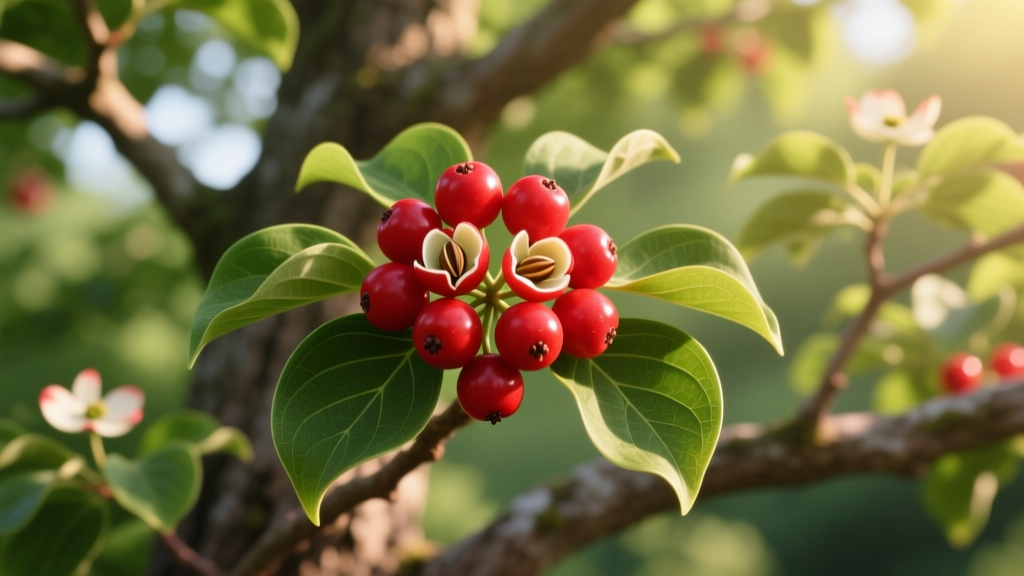
Is Dogwood Fruit Edible? Identifying and Harvesting Cornus Berries
The Edibility Question: What Exactly is Dogwood Fruit?
Homeowners often spot bright red or pinkish-red bumpy spheres on their ornamental trees in late summer and wonder if they are toxic. The short answer: dogwood fruit is generally not poisonous to humans, but its edibility and culinary value depend entirely on the specific species of Cornus growing in your yard. Botanically, these are not true berries but drupes—fleshy fruits enclosing a hard seed.
While birds and wildlife enthusiastically devour the fruit of almost all dogwood species, human consumption requires a more discerning approach. According to the NC State Extension, the Asian Kousa dogwood (Cornus kousa) produces highly palatable, sweet fruit, whereas the native Flowering dogwood (Cornus florida) yields astringent, bitter drupes that are technically edible but culinarily disappointing.
Species Showdown: Kousa vs. Florida Dogwood Fruit
Before you pluck a fruit from your tree, you must correctly identify the species. Misidentifying a Florida dogwood as a Kousa will result in a mouth-puckering experience. Use this comparison matrix to identify your tree's fruit.
| Feature | Cornus kousa (Kousa Dogwood) | Cornus florida (Flowering Dogwood) |
|---|---|---|
| Fruit Appearance | Round, bumpy, raspberry-like spheres (1-1.5 inches) | Small, smooth, glossy oval drupes in tight clusters |
| Color at Ripeness | Pinkish-red to deep crimson | Bright, glossy scarlet red |
| Taste Profile | Sweet, tropical (mango/persimmon cross) | Bitter, astringent, mealy texture |
| Harvest Window | Late August through October | September through November |
| Best Human Use | Fresh eating, jams, jellies, baked goods | Leave for wildlife; not recommended for human food |
How to Harvest and Prepare Kousa Dogwood Fruit
If you have confirmed your tree is a Cornus kousa, you are in for a seasonal treat. The fruit is rich in calcium and antioxidants, but it requires specific preparation to avoid textural unpleasantness.
Step 1: The Squeeze Test for Ripeness
Kousa dogwood fruit does not ripen well off the tree. Wait until the fruit drops naturally or yields slightly to a gentle squeeze, feeling similar to a ripe avocado. Unripe fruit is hard, highly acidic, and lacks the characteristic tropical sweetness.
Step 2: Peeling and Deseeding
The skin of the Kousa fruit is slightly bitter and possesses a gritty, mealy texture. The interior contains several hard, inedible seeds. Do not put the whole fruit into a blender. Instead, score the skin with a paring knife, peel it back, and scoop out the soft, custard-like pulp, discarding the seeds. The pulp can be eaten raw, folded into yogurt, or reduced into a vibrant pink syrup for cocktails and desserts.
Crucial Safety Warning: Never harvest dogwood fruit from trees located near busy roadways (due to heavy metal accumulation from exhaust) or trees that have been treated with systemic pesticides or synthetic lawn fertilizers containing broadleaf herbicides like 2,4-D. Only forage from organically maintained yard trees.
Tree Care Protocols for Maximizing Fruit Yields
A healthy dogwood is a prolific fruiting dogwood. If your Kousa tree is dropping fruit prematurely or failing to flower (and subsequently fruit), your cultural care regimen likely needs adjustment.
Soil pH and Fertilization
Dogwoods demand acidic soil. Test your soil pH; the ideal range is 5.5 to 6.5. If the pH is above 7.0, the tree cannot absorb iron and manganese, leading to chlorosis and poor fruit set. Apply elemental sulfur to lower pH if necessary. For fertilization, avoid high-nitrogen synthetic lawn fertilizers, which promote weak, leafy growth at the expense of flowers and fruit. Instead, use an acid-loving organic fertilizer like Espoma Holly-tone (4-3-4 NPK). Apply 1 cup per inch of trunk diameter in early spring, scattering it evenly under the drip line.
Mulching and Moisture Management
Dogwoods possess shallow, fibrous root systems that are highly susceptible to drought stress. Maintain a 2-to-3-inch layer of pine bark or wood chip mulch over the root zone. However, keep the mulch at least 3 inches away from the trunk flare to prevent Phytophthora root rot and vole damage. During fruit development in mid-summer, provide 1 inch of water per week if rainfall is deficient.
Pests and Diseases That Threaten the Harvest
Fruiting requires energy, and a diseased tree will abort its crop to survive. The Clemson Cooperative Extension highlights several pathogens that specifically target Cornus species.
- Dogwood Anthracnose (Discula destructiva): Causes tan leaf spots with purple borders and cankers on twigs. It thrives in cool, wet, shaded environments. Fix: Prune out dead wood to increase air circulation and apply a preventive copper-based fungicide (like Bonide Liquid Copper) at bud break in spring.
- Powdery Mildew (Erysiphe pulchra): Coats leaves in a white, powdery film, reducing photosynthesis and stunting fruit development. Fix: Apply neem oil or a potassium bicarbonate spray at the first sign of white spotting.
- Dogwood Borer (Synanthedon scitula): Larvae tunnel into the trunk, causing sawdust-like frass at the base and sudden branch dieback. Fix: Prevent trunk wounds from lawnmowers, as borers target damaged bark. Apply permethrin-based trunk sprays in early summer if borers are active in your region.
Frequently Asked Questions
Are dogwood berries poisonous to dogs?
No, dogwood berries are not considered toxic to dogs or cats. However, the hard seeds of the Kousa dogwood can pose a choking hazard or cause intestinal blockages if a dog consumes them in large quantities. The astringent nature of Florida dogwood berries may also cause mild gastrointestinal upset (vomiting or diarrhea) if a dog eats a large amount, though they are rarely palatable enough for dogs to overindulge.
Why isn't my Kousa dogwood producing fruit?
Kousa dogwoods typically take 5 to 7 years from planting to reach fruiting maturity. If your tree is mature but still barren, evaluate its sunlight exposure. While dogwoods tolerate partial shade, heavy shade drastically reduces flower bud formation, which directly eliminates fruit production. Aim for a location that receives at least 4 to 6 hours of dappled morning sunlight. Additionally, a late spring frost can kill the delicate flower bracts before they are pollinated, resulting in a zero-fruit year.
Can I plant the seeds from the fruit I just ate?
Yes, but Cornus kousa seeds require cold stratification to germinate. Clean the seeds of all pulp, place them in a sealed plastic bag with damp peat moss, and store them in the refrigerator (at 35°F to 40°F) for 90 to 120 days before planting them outdoors in the spring. Note that seed-grown trees may not perfectly replicate the exact fruit quality of the parent tree.

