
Tree Care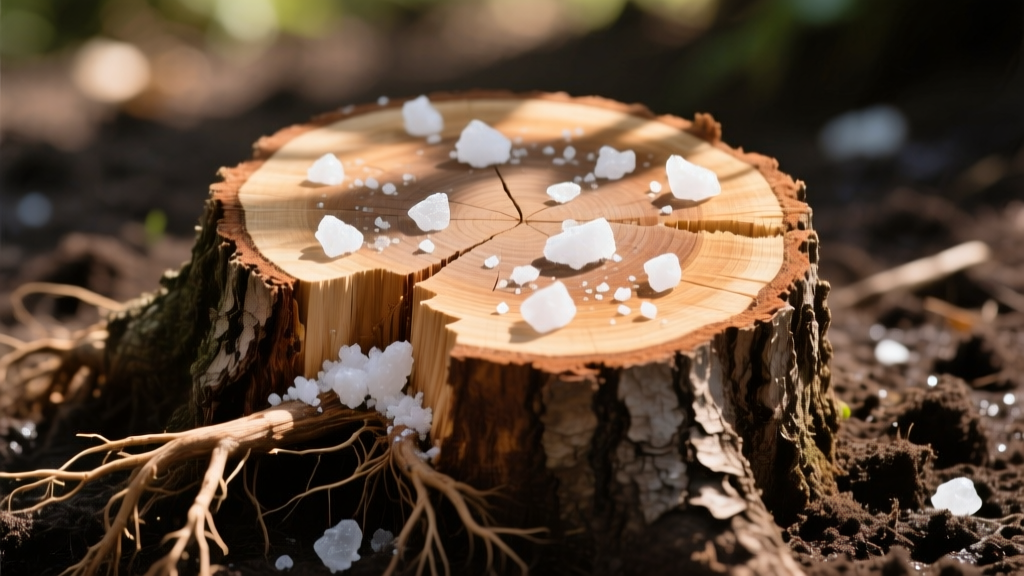
Epsom Salt Stump Removal: Step-by-Step Guide to Kill Tree Roots
The Science of Desiccation: How Epsom Salt Kills Tree Stumps
Removing a tree stump without heavy machinery or synthetic herbicides requires an understanding of plant cellular biology. Epsom salt, chemically known as magnesium sulfate heptahydrate (MgSO4·7H2O), eliminates stumps through extreme osmotic pressure. When introduced into the vascular system of a cut tree, the highly concentrated salt solution draws intracellular water out of the wood fibers. This rapid desiccation collapses the cell walls, effectively mummifying the stump and severing its ability to push nutrients to the root system.
Unlike synthetic stump killers containing potassium nitrate—which accelerate rot by feeding wood-decaying fungi—an Epsom salt stump treatment preserves the wood structure while killing it. This prevents the stump from becoming a spongy, unstable hazard in your yard during the decay process, allowing you to safely chip or burn it once fully desiccated.
Epsom Salt Stump Treatment: Quick Data
- Average Cost: $12 - $18 (for a 4 lb bag of agricultural-grade Epsom salt)
- Time to Kill (Softwoods <12"): 8 to 10 weeks
- Time to Kill (Hardwoods >24"): 6 to 8 months (requires secondary application)
- Success Rate: 85% - 92% (when drill depth and sealing protocols are followed)
Epsom Salt vs. Alternative Stump Removal Methods
Before committing to an Epsom salt stump treatment, weigh it against other common removal techniques. According to the University of Minnesota Extension, mechanical grinding is the fastest method, but chemical and natural alternatives serve specific budget and ecological needs.
| Method | Cost Estimate | Timeframe | Ecological Impact | Best For |
|---|---|---|---|---|
| Epsom Salt | $12 - $18 | 2 - 6 Months | Low (Localized soil magnesium spike) | Budget-conscious DIYers, small-to-medium stumps |
| Potassium Nitrate | $25 - $40 | 4 - 6 Weeks | Moderate (Nitrate runoff risk) | Rapid rotting for softwood stumps |
| Triclopyr Herbicide | $30 - $60 | 2 - 4 Weeks | High (Toxic to surrounding broadleaf plants) | Aggressive species with deep taproots |
| Stump Grinding | $150 - $400 | 2 - 4 Hours | Low (Physical removal only) | Immediate replanting, large stumps |
The Exact Step-by-Step Application Protocol
Surface application of Epsom salt is entirely ineffective; the compound must be delivered directly into the stump's cambium and heartwood. Follow these precise measurements to ensure the treatment reaches the deep root network.
Step 1: Cut and Prepare the Stump
Use a chainsaw to cut the stump as close to the ground as possible. A flush cut minimizes the surface area exposed to rain, which can dilute your salt treatment. If the stump has been sitting for years and the top is sealed with hardened sap, use a rotary rasp or axe to score the top surface, exposing fresh, porous wood.
Step 2: Drill the Delivery Channels
Equip a heavy-duty power drill with a 1-inch to 1.5-inch spade bit or auger bit. Drill vertical holes into the stump to a depth of 8 to 12 inches. Space the holes 3 to 4 inches apart, keeping them at least 2 inches away from the outer bark edge to prevent the wood from splitting and leaking the solution.
Step 3: Load the Magnesium Sulfate
Do not pre-mix the Epsom salt with water in a bucket; a liquid solution will overflow the holes and pool on the surface. Instead, pour dry, agricultural-grade Epsom salt directly into each drilled hole until it is three-quarters full. Tap the side of the stump with a mallet to settle the crystals and eliminate air pockets.
Step 4: Activate and Seal
Using a watering can with a narrow spout, add just enough water to each hole to dissolve the top layer of salt and create a dense brine. Immediately seal the top of each hole with melted paraffin wax or waterproof wood putty. This seal is critical: it prevents rainwater from diluting the osmotic gradient and stops the salt from crystallizing at the surface before it can travel down the root channels.
Step 5: The Tarping Phase
Cover the entire stump with a heavy-duty, opaque polyethylene tarp. Weigh down the edges with bricks or landscape staples. This blocks sunlight (preventing any residual epicormic sprouting) and keeps precipitation from washing away the treatment. Check the stump every 4 weeks; if the wood appears dry and the salt has fully absorbed, repeat Steps 3 and 4.
Soil Toxicity Warning: Post-Removal Remediation
As the stump decays, massive amounts of magnesium will leach into the surrounding soil. High magnesium concentrations displace calcium and potassium on the soil cation exchange sites, leading to severe soil crusting and poor drainage. Before replanting in this spot, apply 2 pounds of gypsum (calcium sulfate) per 10 square feet and till it into the top 6 inches of soil. The calcium in the gypsum will displace the excess magnesium, restoring soil structure and preventing nutrient lockout for future plants.
Troubleshooting: Why Your Treatment Might Fail
If your stump is still pushing green shoots after 10 weeks, one of the following edge cases has likely compromised the osmotic process:
- Insufficient Drill Depth: If you only drilled 3 to 4 inches deep, the salt never reached the lateral root flares. The stump will sacrifice the top layer and continue feeding from the deep roots. You must drill deeper and re-apply.
- Rainwater Dilution: If you skipped the wax sealing step or failed to tarp the stump, heavy rains will create a weak, diluted brine that the tree's roots can actually absorb without suffering cellular damage. The concentration must remain toxic.
- Species Resistance: Highly resilient species like Black Locust, Tree of Heaven, or certain Willows possess massive carbohydrate reserves in their root systems. For these species, Epsom salt alone may not suffice. Combine the treatment with a targeted application of a triclopyr-based brush killer on the outer cambium ring.
Frequently Asked Questions
Can I use Epsom salt on a stump that is already rotting?
No. Epsom salt requires intact cellular structures to draw moisture from. If the stump is already soft, spongy, and heavily colonized by mycelium, the desiccation process will fail. For rotting stumps, use a potassium nitrate stump remover to accelerate the fungal breakdown, or physically break it apart with a mattock.
Will the Epsom salt kill the grass around the stump?
Yes, if the brine spills over the edges. Magnesium sulfate in high concentrations is phytotoxic to turfgrass. If you accidentally spill the mixture on your lawn, immediately flush the area with 10 to 15 gallons of water to dilute the salt below the root zone threshold. For comprehensive turf safety guidelines during stump removal, refer to resources from Better Homes & Gardens.
Is it safe to burn the stump after the Epsom salt treatment?
Once the stump is fully desiccated (it will sound hollow when struck with a hammer and show no green tissue when scored), it is highly flammable. However, burning magnesium-treated wood can produce a very bright, hot flame. Ensure the stump is at least 15 feet away from any structures, and check local municipal burn ordinances before attempting a controlled stump fire.

