
Tree Care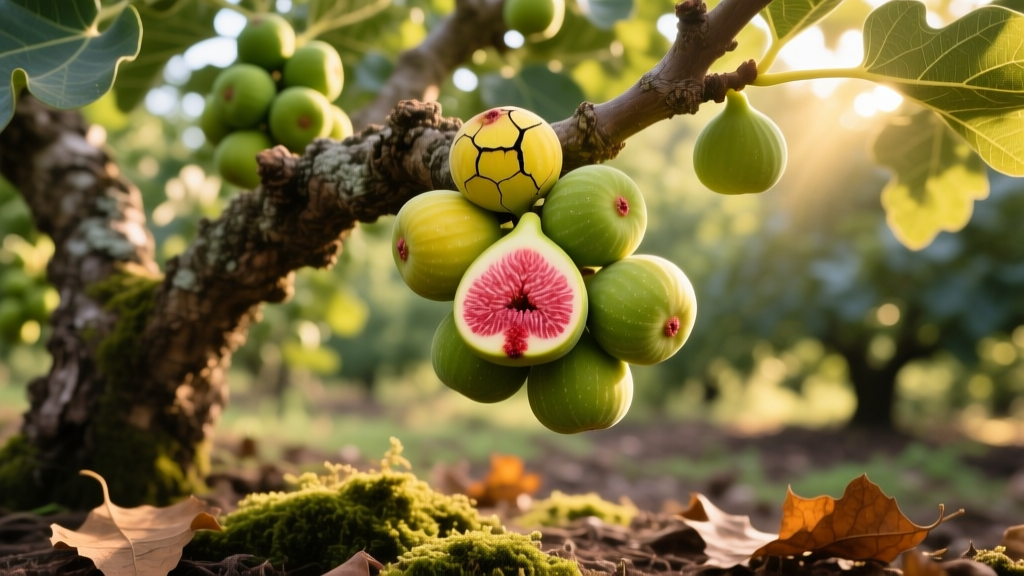
Figs on Tree Not Ripening: Diagnosis and Proven Fixes
Finding hard, green, or prematurely dropped figs on tree branches in late summer is one of the most frustrating issues for home orchardists. Unlike apples or peaches, figs (Ficus carica) do not continue to ripen off the tree. Once harvested, a hard fig will never soften or sweeten. When the figs on tree limbs fail to mature, the root cause almost always traces back to a specific physiological stressor: improper moisture cycling, nitrogen toxicity, pollination mismatches, or thermal shock.
This diagnostic guide bypasses generic gardening advice to provide exact thresholds, nutrient ratios, and structural interventions required to salvage your current crop and program your tree for a heavy, jammy harvest next season.
Rapid Diagnostic Decision Tree
- Symptom: Figs stay pea-sized and drop in early summer. Cause: Pollination failure (Smyrna variety) or severe June drought stress.
- Symptom: Figs reach full size but remain hard and green into autumn. Cause: Excessive nitrogen, late-season pruning, or insufficient heat units.
- Symptom: Figs ripen but immediately sour, ferment, or drip. Cause: Dried fruit beetle infiltration through an open ostiole (eye).
The 'Hard and Green' Syndrome: Moisture and Nutrient Imbalances
Fig trees possess shallow, aggressively spreading root systems that make them highly sensitive to soil moisture fluctuations. The most common reason figs on tree branches refuse to soften is a disruption in the tree's internal water pressure (turgor), which is required to expand the fruit's cellular structure and convert starches to sugars.
Precision Irrigation Thresholds
Mature fig trees require 1.5 to 2 inches of water per week during the fruit enlargement phase (typically June through August). However, overhead watering or erratic soaking promotes vegetative canopy growth at the expense of fruit maturation.
Deploy a digital soil moisture probe to measure the root zone at a depth of 6 to 8 inches. The soil should read 'moist' but never 'saturated.' If you are using drip irrigation, configure a 2 GPH (gallons per hour) emitter grid spaced 18 inches apart under the drip line, running for 45 minutes twice a week. Apply a 3-inch layer of arborist woodchips, keeping the mulch exactly 6 inches away from the trunk flare to prevent collar rot.
The Nitrogen Trap
Applying high-nitrogen lawn fertilizers (such as 24-4-12 or 30-0-0) near a fig tree's drip line will force the tree into a vegetative state. The tree will produce massive, dark green leaves and vigorous water sprouts, but the figs on tree nodes will remain hard and fail to initiate the ethylene-driven ripening process.
The Fix: Switch to a low-nitrogen, high-potassium fertilizer. Look for an NPK ratio of 5-10-10 or 8-8-8. Apply exactly 1/3 pound of actual nitrogen per year of the tree's age, capping at a maximum of 3 pounds for mature specimens. Broadcast the fertilizer in early spring just before bud break, and never fertilize past mid-July in temperate zones, as late feeding delays fruit maturation and invites winter freeze damage.
Thermal Shock: When Heat Domes Halt Ripening
While figs are Mediterranean natives, extreme modern heat events disrupt their metabolic pathways. When ambient air temperatures exceed 100°F (38°C) for more than three consecutive days, the tree's stomata close to prevent fatal dehydration. Photosynthesis halts, and sugar transport to the fruit stops entirely. The figs on tree branches will essentially 'freeze' in their development.
Pro Tip for Heat Mitigation: During forecasted 100°F+ heat domes, temporarily drape a 50% aluminet shade cloth over the southern and western exposure of the canopy. This reduces leaf surface temperature by up to 8°F without blocking the photosynthetically active radiation (PAR) required for sugar synthesis.
Pollination Mismatches: Understanding Fig Biology
If your figs drop when they are the size of marbles, you likely have a pollination mismatch. Fig varieties are categorized by their pollination requirements. Planting the wrong type for your region guarantees crop failure.
| Fig Type | Pollination Requirement | Common Varieties | Drop Risk |
|---|---|---|---|
| Common | Parthenocarpic (No wasp needed) | Celeste, Brown Turkey, Mission | Low (Drops only from stress) |
| San Pedro | Breba crop: None. Main crop: Wasp needed | Kadota, San Pedro | High for main crop |
| Smyrna | Obligate (Requires Blastophaga psenes wasp) | Calimyrna, Mariposa | 100% without wasp |
According to the University of California Agriculture and Natural Resources, homeowners outside of specific commercial growing districts (like California's Central Valley) should exclusively plant Common-type figs. If you have a Smyrna type, the figs on tree branches will abort in June because the local environment lacks the specialized fig wasp required to enter the ostiole and pollinate the internal flowers.
Pest Interference: The Dried Fruit Beetle and Sour Rot
If your figs swell and begin to color, but then collapse into a fermented, sour-smelling mess, you are dealing with the dried fruit beetle (Carpophilus hemipterus). These beetles carry yeast spores into the fruit's eye (ostiole).
The physical structure of the fig variety dictates its vulnerability. Varieties with a large, open eye allow beetles and rain to enter, triggering sour rot. As noted by Clemson Cooperative Extension, selecting closed-eye varieties is the most effective cultural control.
Closed-Eye vs. Open-Eye Varieties
- Highly Resistant (Closed Eye): 'Celeste', 'LSU Purple', 'Olympian'. The ostiole is tightly sealed with resinous tissue, blocking beetle entry and rainwater.
- Highly Susceptible (Open Eye): 'Brown Turkey', 'Kadota', 'Calimyrna'. These require arid climates or aggressive bagging protocols to prevent souring.
Organic Beetle Trap Protocol: Do not spray insecticides on ripening figs. Instead, construct bait traps using 1-gallon plastic jugs. Punch 1-inch holes near the top, fill the bottom with 2 inches of water mixed with 3 tablespoons of active dry yeast and a mashed overripe banana. Hang these traps in adjacent trees 30 days before your fig harvest window to draw beetle populations away from your orchard.
Step-by-Step Recovery Plan for Stalled Crops
If your current figs on tree branches are stalled but have not dropped, execute this recovery sequence to salvage the late-summer harvest:
- Day 1: Canopy Thinning. Remove 15-20% of the inner canopy, specifically targeting water sprouts and crossing branches. This increases solar penetration to the fruiting wood, raising the localized temperature around the figs to accelerate sugar conversion.
- Day 2: Potassium Drench. Apply a liquid kelp extract (0-0-8 NPK) as a soil drench. The immediate bioavailability of potassium and trace cytokinins will signal the tree to shift energy from root/shoot growth into fruit maturation.
- Day 3: Mulch and Moisture Check. Refresh your woodchip mulch to a 3-inch depth and verify your drip emitters are not clogged. Consistent turgor pressure is mandatory for the final swelling phase.
- Day 14: The 'Droop' Test. Ripe figs will hang heavy on the branch, and the stem will bend at a 90-degree angle (the 'neck'). The fruit should feel like a soft water balloon. If the skin shows micro-cracking at the apex, harvest immediately, as fermentation is imminent.
For comprehensive regional planting data and winterizing techniques, consult the Texas A&M AgriLife Extension fig management resources, which provide localized cultivar recommendations based on specific USDA hardiness zones and chilling-hour requirements.

