
Tree Care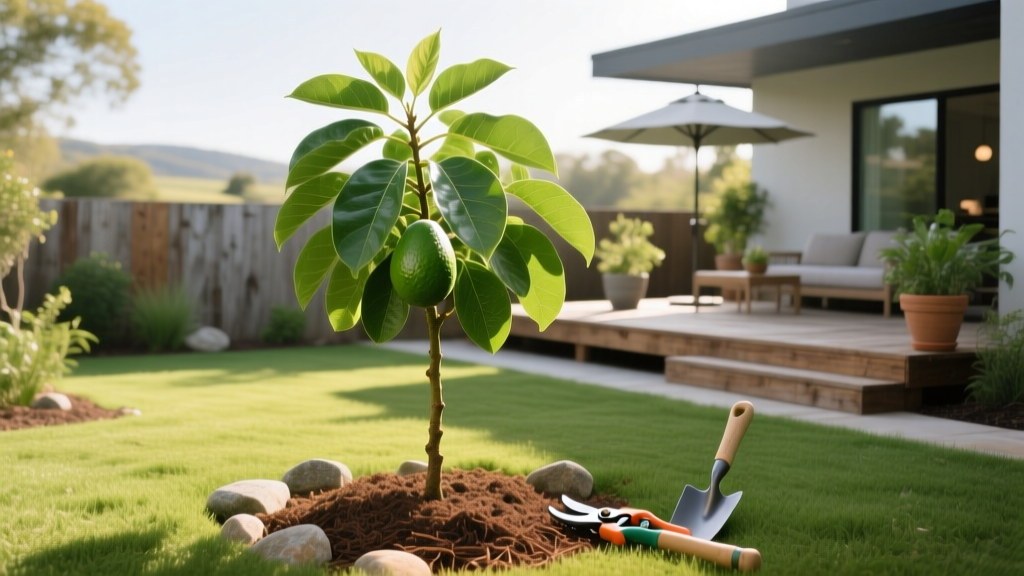
Growing an Aguacate Tree: Beginner's Backyard Guide
The aguacate tree (Persea americana), universally known in English as the avocado, is a subtropical evergreen that rewards patient gardeners with rich, high-yield harvests. However, its shallow root system and extreme sensitivity to waterlogging make it unforgiving of improper planting techniques. For beginners, success hinges on understanding the tree's specific drainage requirements, selecting the right genetic race for your microclimate, and adhering to a strict irrigation schedule.
Climate & Zone Check: The "Will It Survive?" Test
Before purchasing a sapling, verify your USDA Hardiness Zone. Aguacate trees thrive in zones 9b through 11. They are broadly categorized into three botanical races, each with distinct cold tolerances:
- Mexican Race: Most cold-hardy (survives down to 24°F / -4°C). Varieties like 'Mexicola' and 'Bacon' are ideal for cooler coastal or high-desert margins.
- Guatemalan Race: Moderate cold tolerance (down to 28°F / -2°C). Includes the ubiquitous 'Hass' and 'Reed'.
- West Indian Race: Least cold-hardy (damaged below 33°F / 0.5°C). Best reserved for frost-free tropical zones like South Florida or Hawaii.
Beginner Warning: Frost damage doesn't just kill leaves; it can girdle young trunks. If you live in a zone that experiences occasional winter freezes, wrap the lower trunk of trees under three years old with frost cloth or specialized tree wrap tape from November through February.
Seed vs. Grafted Sapling: Which Should You Choose?
A common beginner mistake is planting a pit from a grocery store aguacate. While a fun experiment for indoor foliage, it is a poor strategy for fruit production. Here is how seed-grown trees compare to nursery-grafted saplings.
| Metric | Seed-Grown Tree | Grafted Sapling (15-Gallon) |
|---|---|---|
| Time to First Fruit | 7 to 15 years | 2 to 3 years |
| Genetic Consistency | Low (Hybridization yields unpredictable fruit quality) | 100% True-to-type (e.g., guaranteed 'Hass') |
| Initial Cost (2026) | $0 (Grocery pit) to $15 (Seedling) | $65 to $95 at specialty nurseries |
| Disease Resistance | Variable, often susceptible to root rot | High (Grafted onto tolerant rootstock like 'Dusa') |
Verdict: Always invest in a grafted sapling grafted onto Phytophthora-tolerant rootstock if your primary goal is harvesting edible fruit.
Step-by-Step Planting Protocol
Aguacate roots require high oxygen levels. Planting in heavy clay soil without modification is the leading cause of early tree death. According to the UC ANR Homeowner's Guide to Avocado Production, modifying the planting site is non-negotiable in poorly draining yards.
- Test Drainage: Dig a test hole 18 inches deep and fill it with water. If it does not drain completely within 2 hours, you must plant on a mound.
- Build the Mound: Create a berm 18 to 24 inches high and 3 to 5 feet in diameter using a mix of native soil and coarse redwood bark (no fine peat moss, which retains too much water).
- Extract the Sapling: Cut the nursery pot away rather than pulling the tree by the trunk. Aguacate roots are incredibly brittle and snap easily.
- Set the Depth: Place the root ball on the mound so that the root crown (where the trunk meets the roots) sits 1 to 2 inches above the surrounding soil grade. Never bury the trunk.
- Apply Mulch: Spread 6 inches of coarse wood chip mulch over the root zone, but maintain a strict 6-inch bare-soil buffer around the trunk base to prevent collar rot.
Watering & Fertilization Math
Established aguacate trees are thirsty, but their shallow feeder roots (located in the top 6 to 8 inches of soil) drown easily. Relying on a fixed calendar schedule is a recipe for root rot. Instead, use a soil moisture probe to check the root zone before every irrigation.
Irrigation Targets
- Newly Planted (Months 1-6): Water every 2 to 3 days. Apply 5 to 7 gallons per session directly over the root ball.
- Mature Trees (Peak Summer): A mature, full-canopy tree in Southern California or similar climates requires 130 to 150 gallons per week during July and August. Use low-volume micro-sprinklers that deliver 10 to 15 gallons per hour, running for 8 to 10 hours twice a week.
Nutrient Requirements
Aguacate trees are heavy nitrogen feeders but are highly susceptible to zinc and boron deficiencies. Apply an organic citrus and avocado fertilizer (such as a 6-3-3 or 7-4-2 NPK blend) at a rate of 1 pound of actual nitrogen per year of tree age, up to a maximum of 5 pounds annually. Split this into three applications: February, May, and August. For zinc deficiency (identified by interveinal chlorosis on new leaves), apply a foliar zinc sulfate spray in late spring.
Troubleshooting Common Aguacate Tree Issues
Diagnosing problems early prevents catastrophic canopy loss. Use this symptom-to-fix framework for the most common backyard issues.
1. Symptom: Sudden Canopy Wilting and Leaf Browning
Cause: Phytophthora cinnamomi (Root Rot). This soil-borne water mold destroys feeder roots, often triggered by overwatering or poor drainage.
Fix: Immediately reduce irrigation. Apply 15 to 20 pounds of agricultural gypsum (calcium sulfate) evenly under the tree's drip line. The calcium in gypsum suppresses the Phytophthora spores and strengthens root cell walls. Ensure the UF/IFAS Extension guidelines on avocado root rot are followed for severe cases, which may require phosphite fungicide trunk injections.
2. Symptom: Brown, Crispy Leaf Margins (Tip Burn)
Cause: Salt accumulation in the soil or irrigation water, exacerbated by underwatering. Aguacate trees are highly sensitive to chloride and sodium.
Fix: Perform a deep leaching irrigation. Run your micro-sprinklers for 24 continuous hours once a month to push accumulated salts below the 4-foot root zone. Avoid fertilizers containing potassium chloride; use potassium sulfate instead.
3. Symptom: Fruit Dropping Prematurely in Early Summer
Cause: Heat stress and water deficit during the fruit-setting phase (May/June).
Fix: Increase irrigation volume by 20% during forecasted heatwaves (temperatures exceeding 95°F). Maintain a thick, 6-inch layer of wood mulch to keep the shallow root zone temperature below 85°F.
Pruning for Structural Integrity and Harvest Access
Left unmanaged, varieties like 'Hass' will grow 30 feet tall, making harvest dangerous and spraying difficult. The goal of pruning a backyard aguacate tree is to maintain an open-center or modified central leader structure at a manageable height of 10 to 15 feet.
The Annual Stumping Technique:
Every three to four years, perform a selective "stump" cut. Identify the tallest, most dominant vertical scaffolding branch and cut it back to a lateral branch that is at least one-third the diameter of the branch being removed. This "subordination cut" redirects the tree's apical dominance outward rather than upward, encouraging lateral fruiting wood while keeping the canopy low. Always make cuts at a 45-degree angle and seal wounds larger than 2 inches with a water-based tree wound sealant to prevent sunburn on the exposed inner wood.
By prioritizing drainage, selecting grafted stock, and monitoring soil moisture rather than relying on a calendar, beginners can successfully cultivate a thriving aguacate tree that yields decades of high-quality fruit. For regional planting calendars and variety recommendations, consult the California Avocado Commission's grower resources.

