Tree Care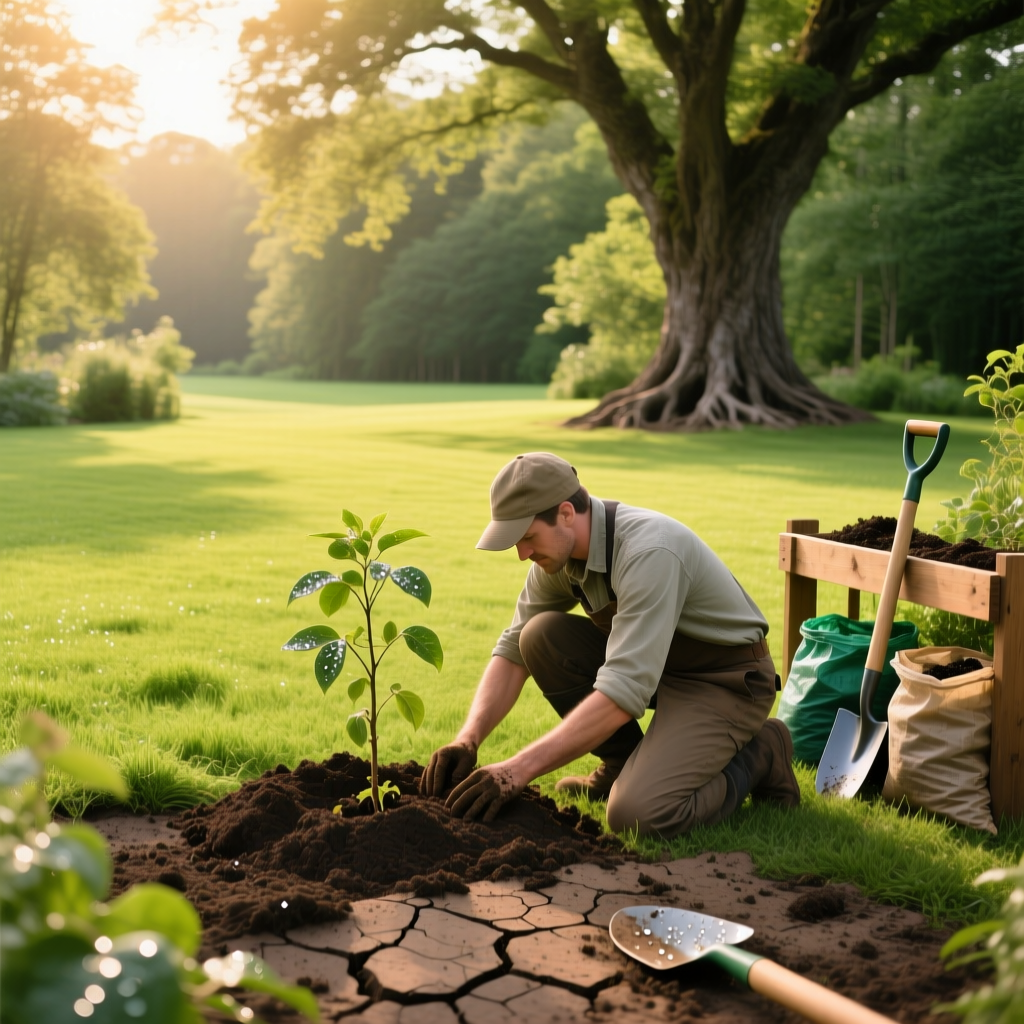
Growing & Caring for Trees in Heavy Clay Soil: The Complete Guide
Lisa ThompsonPublished
Growing & Caring for Trees in Heavy Clay Soil: The Complete Guide
Heavy clay soil presents one of the most challenging growing environments for trees. Its dense, compacted structure restricts root growth, slows drainage, and can suffocate roots during wet seasons while cracking and pulling away from them during dry spells. Yet with the right knowledge, techniques, and species selection, you can cultivate healthy, thriving trees even in the most stubborn clay conditions.
If you are a homeowner or gardener dealing with heavy clay soil, you are not alone. Clay soils are among the most common soil types across many regions, and they affect everything from your lawn health to the long-term vitality of your landscape trees. This comprehensive guide will walk you through every aspect of growing and caring for trees in heavy clay soil, from initial planting through ongoing maintenance, pruning, disease management, and seasonal care strategies.
Understanding the unique properties of clay soil is the first step toward success. Clay particles are extremely fine and pack tightly together, leaving little room for air and water movement. This means tree roots must work harder to establish themselves, and improper care can quickly lead to problems like root rot, nutrient deficiencies, and stunted growth. However, clay soil also has significant advantages: it is typically rich in minerals and nutrients, and it holds moisture well once you learn to manage it properly.
Choosing the Right Trees & Planting Techniques for Clay Soil
The foundation of successful tree care in heavy clay soil begins long before you put a shovel in the ground. Selecting species that are naturally adapted to clay conditions gives you an enormous advantage and reduces the amount of ongoing maintenance your trees will require throughout their lifespan.
Best Tree Species for Heavy Clay Soil
Several tree species have evolved to thrive in dense, poorly drained soils. When choosing trees for your clay-heavy landscape, consider these proven performers:
- Red Maple (Acer rubrum) — Tolerates a wide range of soil conditions, including heavy clay, and provides stunning fall color. Red maples are adaptable and relatively fast-growing once established.
- Bur Oak (Quercus macrocarpa) — One of the most clay-tolerant oaks available, the bur oak develops a deep taproot that penetrates even the densest soil layers over time.
- Bald Cypress (Taxodium distichum) — Naturally found in swampy conditions, this tree excels in wet clay soils where other species would drown.
- River Birch (Betula nigra) — Thrives in moist, heavy soils and offers beautiful peeling bark for year-round interest.
- Eastern Redbud (Cercis canadensis) — A smaller ornamental tree that handles clay soil well and produces gorgeous spring blooms.
- Thornless Honeylocust (Gleditsia triacanthos var. inermis) — Extremely adaptable with a root system that handles both clay and drought conditions.
- Swamp White Oak (Quercus bicolor) — As its name suggests, this oak is comfortable in wet, heavy soils and provides excellent shade.
- Green Ash (Fraxinus pennsylvanica) — A tough, adaptable tree that tolerates clay, though you should check for emerald ash borer activity in your area before planting.
For more information on selecting trees that complement your overall landscape design, explore our guide to the best trees for landscaping.
Proper Planting Techniques for Clay Soil
How you plant a tree in clay soil matters just as much as what you plant. The most common mistake gardeners make is digging a deep, narrow hole and filling it with amended soil. This creates what experts call a "bathtub effect" — water collects in the loose, amended soil around the root ball while the surrounding clay prevents drainage, essentially drowning the tree's roots.
Follow these planting guidelines for the best results in heavy clay:
- Dig wide, not deep. Excavate a hole that is two to three times wider than the root ball but no deeper. The tree should sit slightly above the surrounding grade — about one to two inches higher — to compensate for settling and to promote surface drainage away from the trunk.
- Do not amend the backfill excessively. Use the native clay soil you removed from the hole as backfill. Adding large amounts of compost or topsoil creates a texture contrast that traps water. If you want to improve soil quality, amend a broad area around the planting zone rather than just the hole itself.
- Break up the glaze. Clay soil often forms a slick, compacted layer on the sides of dug holes. Use a fork or rough tool to score and break up these walls so roots can penetrate beyond the planting hole.
- Position the root flare correctly. The root flare — where the trunk widens at the base — must be visible above the soil line. Planting too deep is one of the leading causes of tree decline in clay soils, as it promotes girdling roots and trunk rot.
- Mulch properly. Apply two to four inches of organic mulch in a wide ring around the tree, keeping it several inches away from the trunk. Mulch helps regulate soil temperature, retain moisture, and gradually improve clay soil structure as it decomposes. Learn more about proper mulching techniques to maximize benefits.
Proper planting sets the stage for decades of healthy growth. Take your time during this critical step, and do not hesitate to consult our complete tree planting guide for additional details.
Watering, Feeding & Ongoing Care Requirements
Once your tree is planted in heavy clay soil, establishing a consistent care routine is essential. Clay soil behaves differently from sandy or loamy soils when it comes to moisture retention and nutrient availability, and your care practices must reflect those differences.
Watering Trees in Clay Soil
Watering is perhaps the most misunderstood aspect of tree care in clay soils. Because clay holds water longer than other soil types, overwatering is a far more common problem than underwatering. Soggy, waterlogged clay deprives roots of oxygen and invites root rot pathogens that can kill a tree within a single season.
Here is how to water trees in clay soil correctly:
- Water deeply but infrequently. Established trees in clay soil typically need thorough watering only once every seven to ten days during dry periods. Newly planted trees may need water every three to five days during their first growing season.
- Check soil moisture before watering. Insert a screwdriver or soil probe six to eight inches into the ground near the tree's drip line. If the soil feels moist and cool, wait before watering. If it comes out dry and clean, it is time to water.
- Water slowly. Use a soaker hose or drip irrigation set on a low flow rate. Fast applications from sprinklers or hoses tend to run off the surface of clay soil rather than penetrating it. Slow watering allows moisture to seep down to the root zone where it is needed.
- Adjust for seasons. Reduce watering in fall as trees enter dormancy, and resume in spring once new growth appears. During extended summer droughts, increase frequency slightly but always check moisture levels first.
Healthy watering practices also benefit your surrounding lawn. For tips on coordinating tree and lawn irrigation, read our article on watering your lawn effectively.
Fertilizing Trees in Clay Soil
Clay soil naturally retains nutrients well due to its high cation exchange capacity, which means it holds onto mineral ions that tree roots can absorb. However, the pH of clay soil tends to be alkaline, which can lock up certain nutrients — particularly iron, manganese, and zinc — making them unavailable to tree roots even when they are present in the soil.
Follow these fertilization guidelines:
- Test your soil first. A soil test will reveal pH levels and nutrient deficiencies specific to your site. This information allows you to fertilize precisely rather than guessing.
- Use slow-release fertilizers. Granular, slow-release formulations provide a steady supply of nutrients over months, which is ideal for the gradual nutrient dynamics of clay soil.
- Address iron chlorosis proactively. If your tree's leaves turn yellow while veins remain green — a classic sign of iron chlorosis common in alkaline clay soils — apply chelated iron or iron sulfate according to package directions.
- Add organic matter over time. Top-dressing with compost annually around the tree's drip line gradually improves soil biology and nutrient cycling without disrupting the clay structure.
- Avoid over-fertilizing. Excess nitrogen in clay soil can lead to rapid, weak growth that is more susceptible to pests and diseases. It can also leach into groundwater or run off into nearby waterways.
For a deeper understanding of how soil composition affects your entire landscape, check out our soil testing guide.
Improving Clay Soil Around Established Trees
If you have existing trees struggling in heavy clay, you can take steps to improve soil conditions without damaging root systems:
- Apply compost top-dressings. Spread a half-inch to one-inch layer of well-decomposed compost over the root zone annually. Earthworms and soil organisms will gradually incorporate it into the clay below.
- Use vertical mulching. Drill small holes (one to two inches in diameter, twelve to eighteen inches deep) throughout the root zone and fill them with compost or expanded shale. This technique improves aeration and drainage in compacted clay without severing major roots.
- Avoid soil compaction. Keep heavy foot traffic, vehicles, and equipment away from the root zone. Compacted clay becomes even denser, further restricting root growth and water infiltration.
- Maintain a mulch layer. A consistent mulch layer protects soil from compaction by rain impact, moderates temperature, and feeds soil biology as it breaks down.
Pruning & Structural Maintenance for Trees in Clay Soil
Trees growing in heavy clay soil often develop growth patterns that differ from those in lighter soils. The restricted root expansion can lead to a smaller, denser canopy, and the stress of periodic waterlogging or drought cracking can cause dieback, weak branch attachments, and increased susceptibility to storm damage. A thoughtful pruning program helps maintain tree health, structural integrity, and aesthetic appeal.
When to Prune
Timing your pruning sessions correctly is critical for tree health. Most deciduous trees benefit from pruning during late winter or early spring while they are still dormant. This timing allows wounds to begin healing as soon as growth resumes in spring, reducing the window for disease entry.
Exceptions exist: trees that bloom on old wood, such as magnolias and some fruit trees, should be pruned immediately after flowering to avoid removing next season's buds. Evergreen trees can be lightly pruned in early summer, though major structural pruning should still occur during dormancy.
Pruning Techniques for Clay-Grown Trees
- Remove dead, diseased, and damaged wood first. This is the highest-priority pruning task and can be done at any time of year. Dead branches harbor decay organisms and create entry points for disease.
- Address codominant stems. Trees in clay soil sometimes develop multiple main stems with narrow, weak crotch angles. These are prone to splitting, especially when the soil is saturated and roots cannot anchor firmly. Remove or reduce competing leaders while the tree is young to prevent costly failures later.
- Thin the canopy selectively. Removing a small percentage of interior branches (no more than fifteen to twenty percent of live foliage in a single season) improves air circulation and light penetration, reducing fungal disease pressure that thrives in the humid microclimates around clay-soil trees.
- Raise the crown carefully. If lower branches interfere with mowing or foot traffic, remove them gradually over several years rather than all at once. Removing too many lower branches stresses the tree and reduces its photosynthetic capacity.
- Make proper cuts. Always cut just outside the branch collar — the swollen area where a branch meets the trunk or a larger branch. Flush cuts damage the trunk's defense zone and slow healing. For detailed instructions, visit our tree pruning techniques guide.
Structural Support
In some cases, trees in clay soil benefit from supplemental support systems such as cabling or bracing. If a mature tree has developed weak branch unions or heavy, overextended limbs, a certified arborist can install dynamic cable systems that allow natural movement while reducing the risk of failure. This is especially important in clay soil regions where heavy rains can saturate the ground and reduce root anchorage during windstorms.
Common Diseases & Pest Problems in Clay Soil
Heavy clay soil creates conditions that favor certain diseases and pests. The slow drainage, periodic waterlogging, and soil compaction associated with clay all contribute to stress that weakens a tree's natural defenses. Understanding the most common threats allows you to monitor proactively and intervene before problems become severe.
Root Rot & Crown Rot
Phytophthora and Armillaria root rot are the most serious diseases affecting trees in heavy clay soil. These pathogens thrive in saturated conditions and attack the fine feeder roots first, gradually working their way into larger roots and the trunk base.
Symptoms include:
- Gradual canopy thinning and dieback, often starting in the upper crown
- Yellowing leaves that are smaller than normal
- Dark, water-soaked lesions at the soil line or on lower trunk bark
- Mushrooms or fungal growth at the base of the tree
- Premature fall coloration or leaf drop
Prevention and management:
- Ensure proper planting depth and drainage from the start
- Avoid overwatering and fix any grade issues that direct water toward the trunk
- Apply phosphonate fungicides as a preventive treatment for high-value trees in known problem areas
- Remove and replace severely infected trees, as root rot is rarely curable once it advances into the main root system
Verticillium Wilt
This soil-borne fungus enters through the roots and blocks the tree's vascular system, preventing water from reaching the canopy. It is particularly problematic in clay soils where root stress is common. Maples, ash trees, and redbuds are especially susceptible.
Symptoms include wilting on one side of the tree, branch dieback, and discolored sapwood (visible as dark streaks when you cut into an affected branch). There is no cure for verticillium wilt, but you can prolong a tree's life by maintaining proper watering, avoiding root zone disturbance, and pruning affected branches with sterilized tools.
Iron Chlorosis
While not technically a disease, iron chlorosis is extremely common in alkaline clay soils and can severely weaken trees over time. Pin oak, river birch, and red maple are particularly prone to this condition. Treatment options include soil applications of chelated iron, trunk injections of iron compounds, and long-term soil acidification with elemental sulfur. For more on identifying and treating nutrient deficiencies, see our tree disease identification resource.
Borer Insects
Trees stressed by clay soil conditions are prime targets for wood-boring insects such as the bronze birch borer, emerald ash borer, and various flatheaded and roundheaded borers. These insects lay eggs on stressed trees, and their larvae tunnel through the cambium layer, disrupting nutrient and water transport.
Maintaining tree vigor through proper watering and mulching is the best defense. Monitor for D-shaped exit holes in bark, sawdust-like frass, and canopy dieback. Systemic insecticides can protect high-value trees, but timing and species identification are critical for effectiveness.
Seasonal Care Tips for Trees in Clay Soil
Each season presents unique challenges and opportunities for trees growing in heavy clay soil. Adapting your care practices to the calendar ensures your trees receive the right attention at the right time.
Spring Care
Spring is the season of renewal, and it is the busiest time for tree care in clay soil landscapes.
- Inspect for winter damage. Look for cracked branches, frost cracks on trunks, and heaving at the root zone. Prune broken limbs before new growth begins.
- Refresh mulch. Replenish mulch layers that decomposed over winter, maintaining a two- to four-inch depth in a wide ring around each tree.
- Apply pre-emergent weed control carefully. If you use pre-emergent herbicides on your lawn, be aware that some products can affect tree roots near the surface. Check product labels for tree safety information and read our spring lawn care tips for integrated strategies.
- Fertilize based on soil test results. Early spring is an ideal time to apply slow-release fertilizer if your soil test indicates deficiencies.
- Monitor drainage. Spring rains can saturate clay soil quickly. Watch for standing water around tree bases and address drainage issues before the growing season peaks.
Summer Care
Summer stresses trees in clay soil through a combination of heat, potential drought, and the paradox of waterlogged soil from heavy thunderstorms.
- Water deeply during dry spells. Even though clay holds moisture, extended heat can dry it deeply. Use the screwdriver test to check moisture at root depth.
- Watch for heat stress symptoms. Wilting, leaf scorch (browning along leaf edges), and premature leaf drop indicate your tree needs water or shade protection.
- Avoid heavy pruning. Summer pruning removes leaf area that the tree needs for photosynthesis and can stimulate tender new growth that will not harden off before winter.
- Monitor for pests. Many borers and defoliators are most active in summer. Inspect trunks and canopies regularly and treat infestations promptly.
- Protect roots from compaction. Summer is peak season for outdoor activities. Keep foot traffic and equipment off the root zone, especially when clay soil is wet after storms.
Fall Care
Fall is an underrated season for tree care, and it is particularly important for trees in clay soil because it is the ideal planting window.
- Plant new trees. Fall planting gives trees several weeks of root growth in cool, moist clay soil before the ground freezes. Roots establish without the stress of supporting a full canopy.
- Water until the ground freezes. Continue watering trees through autumn, especially evergreens and newly planted specimens. Hydrated roots survive winter better than dry ones.
- Rake fallen leaves from the trunk area. While leaves make excellent mulch when shredded, thick mats of whole leaves piled against the trunk can trap moisture and promote rot. Compost leaves or use them as lawn mulch instead.
- Apply late-fall fertilizer if needed. A light application of potassium-rich fertilizer in late fall can improve cold hardiness, but avoid nitrogen-heavy products that stimulate growth at the wrong time.
- Wrap young tree trunks. Thin-barked species like maples and fruit trees benefit from tree wrap in fall to prevent sunscald and frost cracking during winter temperature swings.
Winter Care
Winter may seem like a dormant period for tree care, but there are important tasks to perform during the cold months.
- Prune deciduous trees. With leaves gone, the branch structure is fully visible, making it easier to identify structural problems, crossing branches, and deadwood.
- Protect from ice and snow damage. Gently brush heavy snow from branches using an upward motion. Do not shake branches, as frozen wood is brittle and snaps easily.
- Avoid salt damage. De-icing salts used on driveways and walkways can accumulate in clay soil and damage tree roots. Use calcium chloride or sand instead of sodium chloride near trees, and flush salt-affected areas with water in early spring.
- Inspect for animal damage. Deer, rabbits, and voles may gnaw on bark during winter when food is scarce. Install trunk guards or repellents as needed.
- Plan for spring. Winter is the perfect time to review your tree care strategy, order soil test kits, and schedule professional arborist consultations before the spring rush.
For more seasonal guidance that covers your entire landscape, browse our seasonal lawn maintenance calendar to coordinate tree and lawn care throughout the year.
Frequently Asked Questions About Trees in Clay Soil
Can I improve heavy clay soil before planting a tree?
Yes, you can improve clay soil before planting, but the approach differs from what you might do for a garden bed. Rather than tilling large amounts of organic matter into the planting hole — which creates the problematic bathtub effect — focus on broad-scale improvement. Spread two to three inches of compost over a wide area (at least ten to fifteen feet in diameter) and let it incorporate naturally over a season or two before planting. Cover crops, green manures, and deep-rooted grasses can also help break up clay over time. The goal is to create a gradual transition between the root zone and surrounding soil rather than a sharp textural boundary. For more on soil improvement strategies that benefit your entire yard, check out our soil quality improvement guide.
How do I know if my clay soil is too wet or too dry for my tree?
The most reliable method is the screwdriver or soil probe test. Push a long screwdriver or metal probe into the soil near the tree's drip line to a depth of six to eight inches. If it slides in easily and comes out with moist soil clinging to it, moisture levels are adequate. If it meets strong resistance and comes out clean and dry, the soil is too dry and your tree needs water. If the soil comes out slick, muddy, and smells sour or rotten, it is waterlogged — stop watering immediately and investigate drainage solutions. Clay soil can be deceptive: the surface may appear dry and cracked while the subsurface remains saturated. Always check at root depth rather than judging by surface appearance alone.
Why is my tree turning yellow in clay soil, and how can I fix it?
Yellowing leaves on trees in clay soil most commonly indicate iron chlorosis, a condition caused by high soil pH that prevents roots from absorbing iron even when it is present in the soil. The classic symptom is interveinal chlorosis — leaves turn yellow while the veins remain green. To confirm, have your soil tested for pH and available iron. Short-term fixes include applying chelated iron as a soil drench or using iron trunk injections performed by a professional. Long-term solutions involve gradually lowering soil pH with elemental sulfur applications over several years. In severe cases, consider replacing the affected tree with a species more tolerant of alkaline clay, such as bur oak or thornless honeylocust. Other possible causes of yellowing include root rot from overwatering, nitrogen deficiency, or poor drainage — all of which are also common in clay soils.
Should I install drainage systems around trees planted in clay soil?
Drainage systems can be beneficial but should be considered carefully to avoid damaging tree roots. French drains, perforated pipe systems, and swales can redirect excess water away from tree root zones, particularly on sites where clay soil creates seasonal perched water tables. However, installing drainage after a tree is established risks severing critical roots. The best approach is to assess and address drainage before planting. If you must retrofit drainage around an existing tree, use air excavation tools (air spades) that can trench through soil without cutting roots, and route drainage lines along paths that avoid the primary root mass. Surface drainage improvements — such as regrading to create gentle slopes away from tree bases or creating shallow swales — are less invasive and often sufficient for moderate clay drainage issues. Consulting a certified arborist or landscape drainage specialist is recommended for complex situations.
How long does it take for a tree to establish in heavy clay soil?
Trees in heavy clay soil typically take longer to establish than those planted in loam or sandy soils. While a tree in ideal soil might establish within one to two years, expect two to four years for full root establishment in heavy clay. During this period, the tree is especially vulnerable to drought stress, overwatering, and transplant shock. The general rule is to provide one year of careful watering and monitoring for every inch of trunk diameter measured at planting. During the establishment period, avoid fertilizing heavily — the goal is to encourage root growth into the native clay rather than lush top growth that the limited root system cannot support. Once established, trees in clay soil can be remarkably resilient and long-lived, often outperforming the same species in sandy soils because of the mineral richness and moisture-holding capacity that clay provides.
Growing trees in heavy clay soil requires patience, knowledge, and consistent care. By selecting appropriate species, planting correctly, managing water wisely, pruning thoughtfully, monitoring for diseases, and adjusting your practices with the seasons, you can build a thriving tree canopy that enhances your landscape for decades. For more expert guidance on maintaining every aspect of your outdoor space, explore the complete collection of tree care resources and lawn care guides available at Lawns Guide.