
Tree Care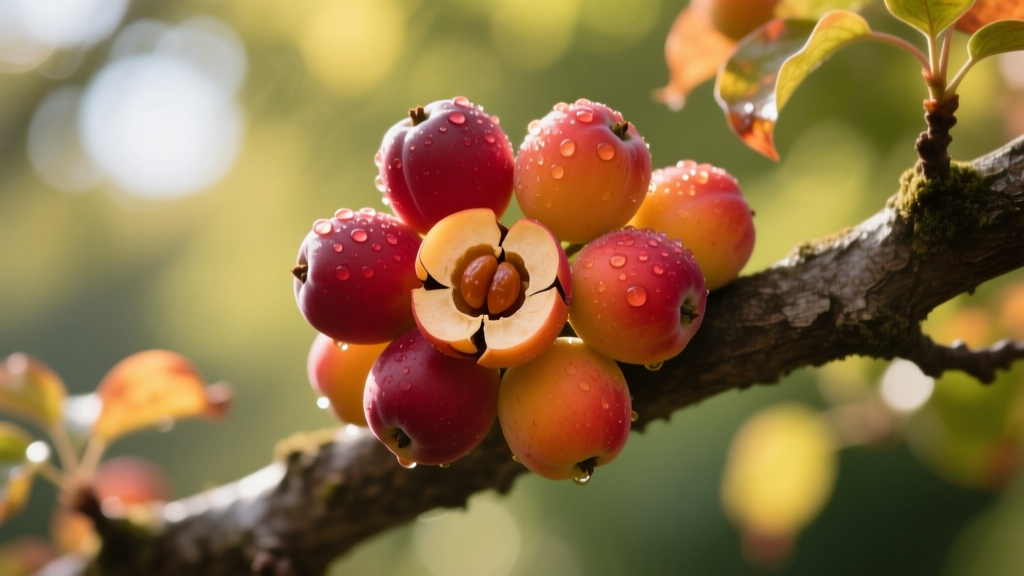
How to Harvest, Prep, and Eat Kousa Dogwood Fruits
Most homeowners plant the Kousa dogwood (Cornus kousa) for its striking bracts and peeling bark, completely ignoring the golf-ball-sized aggregate fruits it drops every autumn. Unlike the native flowering dogwood (Cornus florida), which produces dry, mealy berries best left for foraging birds, the Kousa dogwood yields a surprisingly sweet, tropical-flavored fruit. However, eating them straight off the branch is a mistake that leads to an astringent, scratchy throat due to the rind's unique chemical composition.
According to the NC State Extension, Cornus kousa is highly adaptable and increasingly common in urban landscaping across USDA zones 5 through 8. This guide provides a precise, step-by-step framework for identifying peak ripeness, harvesting without damaging the tree's delicate vascular cambium, and processing the pulp to bypass the gritty skin.
Identifying Ripe Kousa Dogwood Fruits: Timing and Visual Cues
Kousa dogwood fruits undergo a distinct color and textural progression from late August through October, depending on your local microclimate. Harvesting too early results in high tannin levels and low sugar content. You must wait for the final stage of ripening.
- Stage 1 (Unripe): Hard, bright green, and firmly attached to the peduncle. Sugar content (Brix) is below 4%.
- Stage 2 (Maturing): Yellowish-green with a slight pink blush. Still too astringent for culinary use.
- Stage 3 (Ripe): Deep crimson or pinkish-red. The skin develops a slight dimpling or wrinkling. Brix levels peak between 14% and 18%.
- The Squeeze Test: A perfectly ripe Kousa fruit will yield to approximately 2 pounds of gentle pressure, feeling similar to a ripe peach or avocado. If it feels hard, leave it.
Foraging Data Highlight: A mature, 15-year-old Kousa dogwood in full sun can produce between 15 to 30 pounds of fruit per season. The harvest window typically lasts only 10 to 14 days before the fruits drop and begin to ferment on the lawn.
Step-by-Step Harvesting Technique
The branches of Cornus kousa are relatively brittle, and the bark is thin. Aggressive pulling can strip the bark, inviting fungal pathogens like dogwood anthracnose. Use the following method to harvest cleanly:
- Ground Foraging First: The most flavorful fruits are those that have naturally abscised (dropped) from the tree. Lay a clean tarp under the canopy and gently shake the primary scaffolding branches. Collect only the unblemished, soft fruits from the tarp.
- Hand-Picking High Branches: For fruits still on the tree, do not pull. Use bypass pruning snips to clip the peduncle (fruit stem) about 1/4 inch above the fruit cap.
- Sort Immediately: Discard any fruits with puncture wounds, bird pecks, or signs of mold. The high sugar content causes rapid fermentation at room temperature.
The Gritty Skin Problem: Peeling vs. Blending
The primary barrier to eating Kousa dogwood fruits is the rind. The skin contains microscopic calcium oxalate raphides (needle-like crystals) and tough cellulose structures that create a gritty, sandpaper-like texture and a scratchy sensation in the throat. You must separate the sweet, custard-like inner pulp from the skin and seeds.
| Processing Method | Yield Efficiency | Texture Result | Best Culinary Use |
|---|---|---|---|
| Manual Scooping | Low (40% of fruit weight) | Smooth, seed-free | Fresh eating, delicate sorbets |
| Food Mill (OXO or Foley) | High (75% of fruit weight) | Smooth, slightly fibrous | Fruit butters, jams, baking |
| High-Speed Blending + Straining | Medium (60% of fruit weight) | Completely liquid, thin | Syrups, cocktails, vinaigrettes |
Expert Recommendation: Avoid attempting to peel the fruits with a knife; the skin is too thin and adheres too tightly to the pulp. The USDA Plants Database notes the fruit's aggregate structure makes mechanical separation the most viable commercial and home-scale approach.
Processing and Preservation Methods
Once you have separated the pulp from the astringent skin and hard seeds, the resulting puree has a flavor profile resembling a cross between a ripe persimmon, mango, and banana. Because the pulp oxidizes quickly, process it immediately or add an acidulant.
Kousa Dogwood Fruit Butter (Slow Cooker Method)
Fruit butter concentrates the flavor and extends shelf life through refrigeration or water-bath canning.
- Ingredients: 4 cups Kousa pulp (passed through a food mill), 1 cup granulated sugar, 1 tbsp lemon juice (crucial for lowering pH to 4.6 or below for safe canning), 1 tsp cinnamon, 1/2 tsp cardamom.
- Procedure: Combine all ingredients in a slow cooker. Leave the lid slightly ajar to allow moisture to escape. Cook on LOW for 6 to 8 hours, stirring occasionally, until the mixture mounds on a spoon and is deep amber in color.
- Storage: Transfer to sterilized half-pint jars. Process in a boiling water bath for 10 minutes (adjusting for altitude). Yields approximately 3 half-pints.
Kousa Simple Syrup for Mixology
The floral, tropical notes of Kousa pulp make an exceptional base for craft cocktails or artisanal mocktails.
- Combine 2 cups of whole, unprocessed Kousa fruits (skins and all) with 2 cups of water in a saucepan.
- Bring to a simmer and lightly crush the fruits with a potato masher to release the pulp.
- Simmer for 15 minutes to extract the flavors and anthocyanins from the skin.
- Strain through a double layer of cheesecloth or a jelly bag. Do not squeeze the bag, or the tannins from the skin will cloud the syrup and add bitterness.
- Measure the strained liquid and add an equal part of cane sugar by volume (1:1 ratio). Heat gently just until the sugar dissolves. Store in a glass bottle in the refrigerator for up to 3 weeks.
Warning: Seed Astringency. While the seeds of Cornus kousa are not toxic, they are highly astringent and hard enough to crack a tooth if bitten. Always use a food mill with a fine mesh plate (1mm or smaller) or a cheesecloth strain to ensure no seeds make it into your final culinary product.
Troubleshooting Common Foraging Mistakes
Even experienced foragers make errors when handling unfamiliar ornamental fruits. Use this decision matrix to correct common issues during the processing phase.
| Issue Encountered | Probable Cause | Corrective Action |
|---|---|---|
| Throat irritation or scratchiness | Calcium oxalate crystals from the skin were not fully removed. | Pass the pulp through a finer mesh sieve or add a pinch of baking soda to neutralize mild oxalic acid. |
| Syrup tastes bitter or metallic | Boiling the skins too vigorously or squeezing the cheesecloth during straining. | Discard the batch. For future batches, use a gentle simmer and gravity-only straining. |
| Pulp turns brown and unappetizing | Enzymatic oxidation due to delayed processing after harvesting. | Toss the pulp with ascorbic acid (Vitamin C powder) or lemon juice immediately after milling. |
| Fruits are mealy and lack sweetness | Harvested from a tree in heavy shade or picked before the crimson stage. | Use under-ripe or shade-grown fruits exclusively for infused vinegars where sugar content is less critical. |
By treating the Kousa dogwood not just as an ornamental landscape specimen, but as a viable perennial food crop, you can unlock a unique, hyper-local ingredient that elevates your autumn pantry. Proper timing and mechanical separation are the keys to transforming this overlooked yard fruit into a culinary asset.

