
Tree Care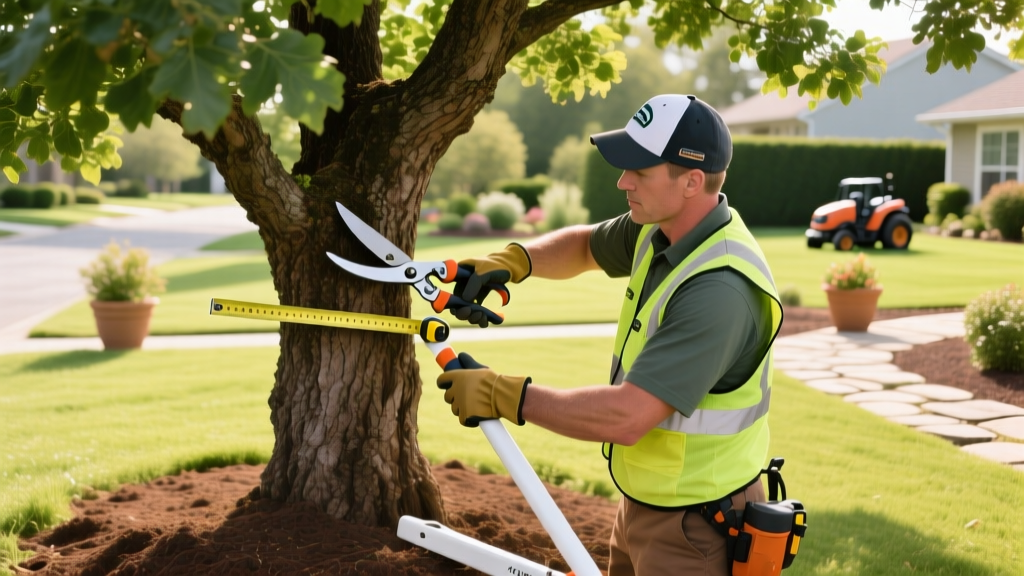
How Much to Remove a Tree in 2026: Complete Cost Guide
The Baseline: National Average Tree Removal Costs in 2026
When homeowners ask, "how much to remove a tree," the answer relies on a complex matrix of height, trunk diameter, species density, and site accessibility. As of 2026, the national average for professional tree removal sits at $1,150, with most residential projects ranging between $450 and $2,800. However, quoting a tree removal based solely on a visual estimate of height is a common mistake that leads to severe budget overruns.
Arborists price jobs based on Diameter at Breast Height (DBH), canopy spread, rigging requirements, and debris disposal logistics. Below is the current 2026 pricing matrix categorized by tree size and DBH, reflecting recent adjustments in labor rates, fuel surcharges, and commercial insurance premiums.
| Tree Size Category | Height Range | Typical DBH | 2026 Average Cost Range |
|---|---|---|---|
| Small | Under 30 ft | 2" - 10" | $250 - $650 |
| Medium | 30 - 60 ft | 11" - 20" | $700 - $1,400 |
| Large | 60 - 90 ft | 21" - 35" | $1,500 - $2,800 |
| Extra Large / Heritage | 90+ ft | 36"+ | $3,000 - $6,500+ |
Calculating Diameter at Breast Height (DBH)
To understand your quote, you must measure your tree the way an arborist does. The University of Minnesota Extension recommends measuring DBH at exactly 4.5 feet above ground level.
- Wrap a flexible measuring tape around the trunk at 4.5 feet high to get the circumference.
- Divide the circumference by 3.14 (Pi) to calculate the exact diameter.
- If the tree splits into multiple trunks below 4.5 feet, measure each trunk separately at the narrowest point above the split, then use the largest diameter for the baseline quote.
Pro Tip: A tree with a 24-inch DBH has roughly 2.5 times the wood volume of an 18-inch DBH tree, even though the diameter is only 33% larger. Pricing scales exponentially with DBH due to the cubic volume of wood that must be cut, rigged, and hauled away.
Hidden Cost Drivers That Inflate Your Quote
The base price of felling a tree is only half the equation. The following variables dictate whether your project stays at the bottom of the pricing tier or skyrockets to the top.
1. Rigging Complexity vs. Free-Fall Drop Zones
If your tree stands in an open field, an arborist can notch it and let it fall in one piece. This is called a "straight fell" and is the cheapest removal method. However, if the tree is surrounded by structures, fences, or power lines, the crew must use technical rigging. They will climb the tree and lower sections using heavy-duty rigging blocks, portawraps, and 1/2-inch Tenex braided ropes. Technical rigging triples the labor hours and requires highly skilled climbers, adding $400 to $900 to the final invoice.
2. Crane Mobilization and Hourly Rates
For massive trees or those in zero-drop zones, a mobile crane is mandatory. Renting a 40-ton to 60-ton hydraulic crane (such as a Liebherr or Grove model) costs between $250 and $400 per hour, plus a $500 mobilization fee. While expensive, a crane reduces a three-day manual climbing job into a six-hour operation, minimizing lawn damage and risk.
3. Stump Grinding and Root Extraction
Tree removal quotes rarely include the stump unless explicitly stated. Stump grinding is priced per inch of DBH, typically ranging from $3.50 to $5.50 per inch. A 30-inch stump will cost roughly $105 to $165 to grind down to 8 inches below grade. If you require full root ball extraction for new construction or landscaping, expect to pay an additional $800 to $2,500 for heavy machinery excavation.
4. Debris Haul-Away and Dump Fees
A mature oak can yield 3 to 5 tons of wood and brush. Commercial landfill tipping fees for green waste have risen sharply, averaging $45 to $75 per ton in 2026. Ensure your quote specifies "full haul-away and site cleanup." If a company offers a suspiciously low bid, they may be planning to leave the wood on your property or illegally dump it.
Species Density and Labor Multipliers
Not all wood is created equal. The density of the species directly impacts how quickly chainsaw blades dull, how much fuel the wood chipper consumes, and the physical strain on the crew. Arborists apply labor multipliers based on species.
- Softwoods (Pine, Spruce, Cedar): Fast cutting, lightweight. Multiplier: 1.0x (Base rate).
- Standard Hardwoods (Maple, Ash, Birch): Moderate density, standard wear on equipment. Multiplier: 1.15x.
- Dense Hardwoods (Hickory, Oak, Locust): Extremely dense, requires frequent chain sharpening and heavy-duty rigging gear to handle the weight of individual logs. Multiplier: 1.3x to 1.5x.
- Palms: Fibrous and stringy, which frequently jams commercial wood chippers. Many companies charge a premium or require manual disposal of palm fronds. Multiplier: 1.2x.
Wood Reclamation Offset: If you are removing a mature Black Walnut or White Oak, the lumber value can be significant. Some specialized arborists will offer a 15% to 30% discount on the removal cost in exchange for keeping the intact logs to sell to local sawmills. You must negotiate this before signing the contract.
Emergency vs. Scheduled Removal: The Premium Gap
If a tree falls on your roof during a storm, you are entering the emergency market. Emergency tree removal carries a 30% to 50% surge premium due to the immediate hazard, after-hours labor, and the complex coordination required with structural engineers and insurance adjusters. Scheduled removals booked 3 to 6 weeks in advance during the winter off-season (November through February) can often be negotiated at a 10% to 15% discount, as crews are actively seeking work to maintain cash flow.
Insurance and Liability: The Non-Negotiables
The cheapest quote is often the most expensive in the long run. According to the Occupational Safety and Health Administration (OSHA), tree care operations consistently rank among the most dangerous professions in the country. If an uninsured worker is injured on your property, or if a dropped limb crushes your neighbor's vehicle, you could be held financially liable.
Before signing any contract, demand a Certificate of Insurance (COI) that explicitly lists:
- Workers' Compensation: Minimum $500,000 coverage for all crew members on site.
- General Liability: Minimum $1,000,000 per occurrence / $2,000,000 aggregate.
- Automobile Liability: Covering their commercial chip trucks and log haulers.
Verify the COI by calling the issuing insurance broker directly. Fly-by-night operators frequently forge these documents or let their policies lapse mid-season.
Frequently Asked Questions
Do I need a permit to remove a tree on my private property?
It depends entirely on your local municipality. Many cities have "Heritage Tree Ordinances" that protect specific native species (like Coastal Live Oaks in the South) or any tree exceeding a 24-inch DBH. Removing a protected tree without a permit can result in fines ranging from $1,000 to $10,000 per tree, plus mandatory replanting costs. Always check with your local urban forestry department first.
Will the removal company damage my irrigation system or lawn?
Heavy equipment like wood chippers and log loaders exert immense ground pressure. A professional crew will use tracked mats or plywood to protect soft turf. However, shallow irrigation lines and sprinkler heads are almost always at risk. Mark all sprinkler heads with flags before the crew arrives, and understand that minor turf repair is usually an expected consequence of large-tree removal.
How can I find a reputable arborist?
Look for companies accredited by the International Society of Arboriculture (ISA) or the Tree Care Industry Association (TCIA). An ISA Certified Arborist on staff ensures the crew follows ANSI A300 safety and pruning standards, rather than relying on dangerous, outdated topping techniques.

