
Tree Care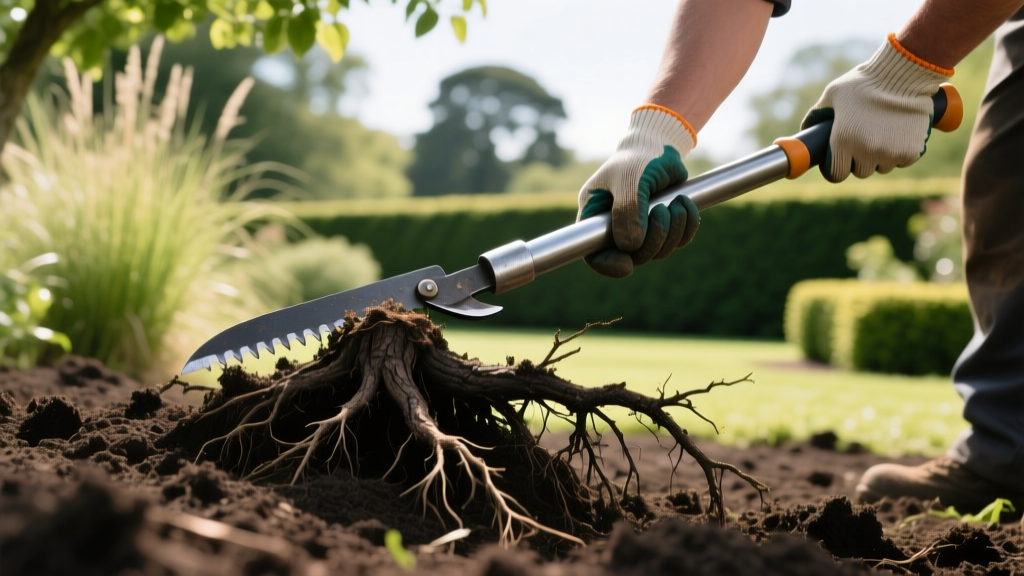
How to Get Rid of Bushes: The Complete Root Eradication Playbook
Overgrown, neglected, or invasive shrubs act as structural weeds in your landscape. Species like Amur honeysuckle, burning bush, Japanese barberry, and feral privet harbor tick populations, choke out native turfgrass, and damage nearby foundation drains. Learning how to get rid of bushes permanently requires more than simply snapping off the visible canopy; it demands a systematic approach to root eradication to prevent aggressive resprouting.
This playbook provides a professional-grade framework for shrub removal, breaking down the exact tools, chemical protocols, and mechanical techniques required to reclaim your yard in 2026.
The Eradication Decision Matrix
Before breaking ground, match your specific shrub species and yard conditions to the correct removal methodology. Using the wrong method guarantees a second season of suckering and resprouting.
| Method | Best For | Est. Cost (DIY) | Timeframe | Resprout Risk |
|---|---|---|---|---|
| Manual Extraction | Shrubs under 4ft tall, sandy/loam soils | $60 - $140 (Tools) | 2 - 5 Hours | Low (if root ball intact) |
| Cut-Stump Chemical | Aggressive resprouters (Privet, Honeysuckle) | $25 - $50 (Herbicide) | 30 Mins + 30 Days | Very Low |
| Mechanical Grinding | Massive, established yews or rhododendrons | $150 - $250 (Rental) | 2 - 4 Hours | Moderate (surface roots) |
| Winch/Puller | Medium shrubs in tight spaces near fences | $40 - $80 (Straps/Winch) | 1 - 3 Hours | Low |
Phase 1: Canopy Reduction and Site Prep
You cannot efficiently dig out or treat a bush with a 6-foot canopy in the way. The first step is reducing the shrub to a manageable stump. This provides leverage for digging and exposes the critical root collar.
Professional Tool Loadout
- Reciprocating Saw: A cordless model (e.g., Milwaukee M18 Fuel) equipped with a 9-inch pruning blade (like the Diablo DS0910CP) cuts through 3-inch branches without binding.
- Bypass Loppers: Felco 200 or Fiskars 32-inch PowerGear loppers for stems under 1.5 inches.
- Heavy-Duty Loppers/Pruning Saw: For dense, multi-stemmed shrubs like lilac or forsythia.
Cut the canopy down to a single main trunk or a cluster of trunks standing exactly 18 to 24 inches above the soil line. Do not cut flush to the ground yet. Leaving this "handle" gives you the physical leverage needed to rock the root ball back and forth during manual extraction.
Phase 2: The Cut-Stump Chemical Protocol
For invasive species with extensive lateral root networks, manual removal is often impossible without destroying surrounding turf. According to the National Invasive Species Information Center, species like autumn olive and bush honeysuckle will aggressively sucker from severed root fragments left in the soil. The cut-stump method is the gold standard for these plants.
Chemical Selection
- Triclopyr (Ester or Amine): Products like Ortho GroundClear Brush-B-Gon or professional Garlon 4. Highly effective on woody, broadleaf shrubs. Will not harm surrounding grass if applied carefully.
- Glyphosate (41% concentration): Products like Compare-N-Save. Effective, but non-selective. Any drip onto nearby desirable plants will kill them.
Application Steps
- Make a final, clean horizontal cut with a sharp handsaw exactly 1 to 2 inches above the soil line. Avoid tearing the bark.
- Within 5 minutes, apply the concentrated herbicide directly to the outer edge of the cut surface.
- Use a small, disposable foam brush or a dedicated squirt bottle. You only need to treat the outer cambium ring (the living tissue just inside the bark). The dead heartwood in the center will not transport the chemical.
The critical window for cut-stump herbicide application is within 5 to 10 minutes of making the final cut. After this window, the plant's vascular system begins to seal the wound with tyloses and resins, preventing the chemical from translocating down to the root ball.
Warning: PPE and Environmental Safety
Always wear nitrile gloves, long sleeves, and ANSI Z87.1 safety goggles when handling concentrated Triclopyr or Glyphosate. As mandated by the EPA's pesticide safety guidelines, never apply these chemicals if rain is forecasted within 24 hours, and never apply near storm drains or water features.
Always wear nitrile gloves, long sleeves, and ANSI Z87.1 safety goggles when handling concentrated Triclopyr or Glyphosate. As mandated by the EPA's pesticide safety guidelines, never apply these chemicals if rain is forecasted within 24 hours, and never apply near storm drains or water features.
Phase 3: Mechanical Root Ball Extraction
If you are removing a non-invasive shrub (like an old hydrangea or spirea) or prefer a strictly organic approach, manual extraction is required. The goal is to sever the lateral roots and pivot the central taproot out of the ground.
The 12-Inch Trench Method
- Define the Radius: Measure the thickness of the main trunk at the base. Multiply that number by 12. A 2-inch trunk requires a 24-inch radius trench around the stump.
- Dig the Trench: Using a sharp, flat spade (like a King of Spades), dig a narrow trench around your calculated radius. Cut straight down to a depth of 10 to 14 inches. This severs the shallow lateral feeder roots.
- Sever the Taproot: Switch to a 69-inch digging bar (e.g., Truper 34-inch or 69-inch steel digging bar). Drive the chisel end vertically down the sides of the root ball to slice the deep anchor roots.
- Leverage and Pivot: Grab the 24-inch stump handle you left in Phase 1. Push and pull the stump vigorously to snap the remaining lower taproot. Use the pick end of a 5-pound mattock (like the Estwing Pick Mattock) to pry the root ball upward.
Species-Specific Eradication Tactics
Not all bushes behave the same way. Adjust your playbook based on the specific biology of the shrub you are targeting.
Japanese Barberry (Berberis thunbergii)
The Challenge: Extreme thorn density and high susceptibility to tick habitats.
The Fix: Do not attempt to dig these out manually without heavy leather gauntlet gloves and a welding jacket. Use the cut-stump method with Triclopyr. If manual removal is mandatory, use a heavy-duty weed wrench or a Uprooter tool to pull the root ball without touching the thorny canopy.
Established Yews (Taxus spp.)
The Challenge: Yews develop massive, dense, and incredibly deep root balls that defy manual digging.
The Fix: Rent a walk-behind stump grinder (e.g., Vermeer SC362 or similar class, typically $150-$200/day at equipment rental yards). Grind the stump and the upper 12 inches of the root ball into mulch. Alternatively, use a 2-ton come-along winch strapped to a mature shade tree or a truck hitch to physically drag the root ball from the earth after severing the laterals.
Feral Privet (Ligustrum)
The Challenge: Privet drops thousands of seeds and resprouts from any root fragment left in the soil.
The Fix: Never use a rototiller to clear an area of privet; this will chop the roots into hundreds of pieces, resulting in hundreds of new privet plants next spring. Always extract the root ball intact or use the cut-stump chemical method.
Cost and Time Breakdown: DIY vs. Professional
Understanding the financial and temporal investment helps you decide whether to tackle the project yourself or hire a local landscaping crew in 2026.
| Removal Scenario | DIY Cost & Time | Pro Service Cost & Time |
|---|---|---|
| Single overgrown shrub (4-6ft) | $0 - $40 | 2 Hours | $150 - $300 | 1 Hour |
| Hedge row removal (30 linear ft) | $150 (Tools/Herbicide) | 2 Days | $800 - $1,500 | 4 Hours |
| Massive Rhododendron/Yew | $200 (Stump Grinder Rental) | 4 Hours | $400 - $700 | 2 Hours |
Disposal and Soil Recovery
Once the bush is out of the ground, you are left with a massive root ball and a crater. Do not attempt to burn invasive shrub roots; species like privet and honeysuckle can survive low-intensity fires and will resprout from the ash.
Disposal: Chop the canopy into 4-foot sections for municipal yard waste pickup. If the roots are heavily diseased (e.g., phytophthora root rot), bag them in heavy-duty contractor trash bags and send them to the landfill to prevent spreading the pathogen to other areas of your yard.
Soil Recovery: The hole left by a mature shrub is filled with decomposing organic matter and lacks the structural integrity to support new plantings immediately. Fill the crater with a mix of 60% native topsoil and 40% compost. Mound the soil 2 inches above the surrounding grade to account for settling over the next 6 months. If you plan to lay sod over the area, wait at least 30 days after chemical treatment to ensure no residual herbicide will harm the new grass roots.

